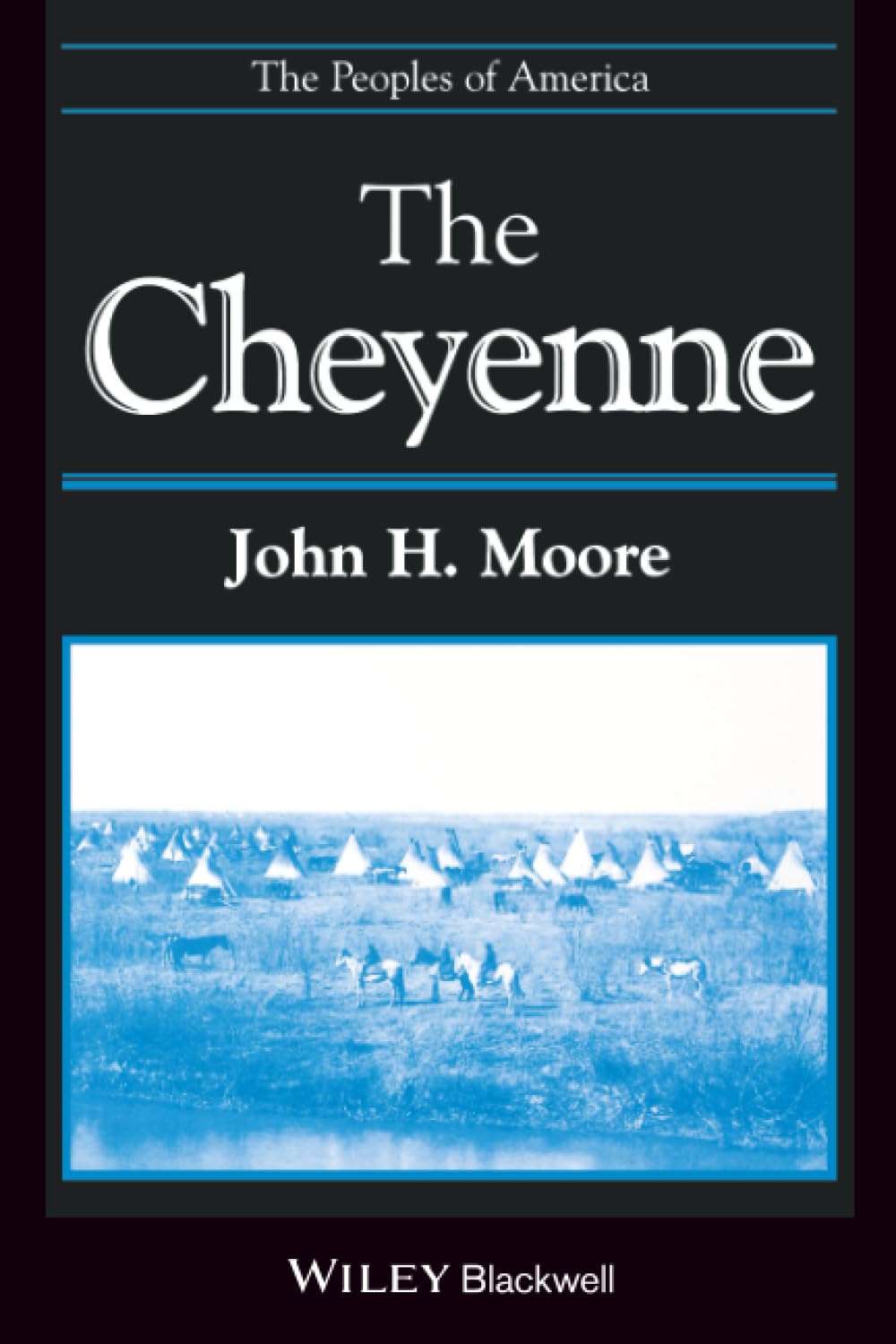



This book provides a history and ethnography of the Cheyenne people from their prehistoric origins north of the Great Lakes to their present life in the reservations in Oklahoma. It is based on archaeological material, historical and linguistic evidence and draws vividly on the oral traditions of the Cheyenne themselves. "This is another very valuable addition to the 'Peoples of America' series, tracing Cheyenne history from its earliest origins in the sub-Arctic right up to the present-day Cheyenne life on Oklahoma and Montana reservations. This is an engaging and informative history; but the best thing about this book is the unique understanding it provides of Cheyenne culture through its series of personal anecdotes well told." History This book provides a history and ethnography of the Cheyenne people from their prehistoric origins north of the Great Lakes to their present life in the reservations in Oklahoma. It is based on archaeological material, historical and linguistic evidence and draws vividly on the oral traditions of the Cheyenne themselves. After an investigation of Cheyenne origins, the author describes their settlement, around 500 BC on the plains of North Dakota. Here they hunted buffalo and antelope on foot, and gradually developed the means to cultivate the often arid ground. In a reverse of the typical European pattern, the reintroduction of the horse in the sixteenth and seventeenth centuries allowed the Cheyenne to revert from settled horticultural communities to nomadic hunters across the American mid-west. The author describes the early French and British contacts with the Cheyenne and the beginnings of trade and Indian-settler politics. Early contacts were largely peaceful, and it was not until after Independence and when the Cheyenne became involved in the intricacies of the Civil War that full scale conflict broke out between them and the US Federal Army. The tragic massacre of Cheyenne women and children at Sand Creek was avenged two decades later at the Battle of Little Big Horn - but the scale and swiftness of Federal retaliation served ultimately to accelerate the driving of the Cheyenne from their traditional lands to reservations in the south. The author provides a detailed account of reservation life and shows how the dance ceremonies and oral traditions have largely survived the Cheyenne's enforced removal from their long-held homelands. He concludes with a critical examination of contemporary Cheyenne life and of the mixed results of the often inept intrusions of State and Federal bureaucracies. This is a vivid and readable history and ethnography of one of the most prominent of the American Indian peoples. This book provides a history and ethnography of the Cheyenne people from their prehistoric origins north of the Great Lakes to their present life in the reservations in Oklahoma. It is based on archaeological material, historical and linguistic evidence and draws vividly on the oral traditions of the Cheyenne themselves. After an investigation of Cheyenne origins, the author describes their settlement, around 500 BC on the plains of North Dakota. Here they hunted buffalo and antelope on foot, and gradually developed the means to cultivate the often arid ground. In a reverse of the typical European pattern, the reintroduction of the horse in the sixteenth and seventeenth centuries allowed the Cheyenne to revert from settled horticultural communities to nomadic hunters across the American mid-west. The author describes the early French and British contacts with the Cheyenne and the beginnings of trade and Indian-settler politics. Early contacts were largely peaceful, and it was not until after Independence and when the Cheyenne became involved in the intricacies of the Civil War that full scale conflict broke out between them and the US Federal Army. The tragic massacre of Cheyenne women and children at Sand Creek was avenged two decades later at the Battle of Little Big Horn - but the scale and swiftness of Federal retaliation served ultimately to accelerate the driving of the Cheyenne from their traditional lands to reservations in the south. The author provides a detailed account of reservation life and shows how the dance ceremonies and oral traditions have largely survived the Cheyenne's enforced removal from their long-held homelands. He concludes with a critical examination of contemporary Cheyenne life and of the mixed results of the often inept intrusions of State and Federal bureaucracies. This is a vivid and readable history and ethnography of one of the most prominent of the American Indian peoples. John H. Moore is Research Professor of Anthropology at the University of Florida, Gainesville. Used Book in Good Condition