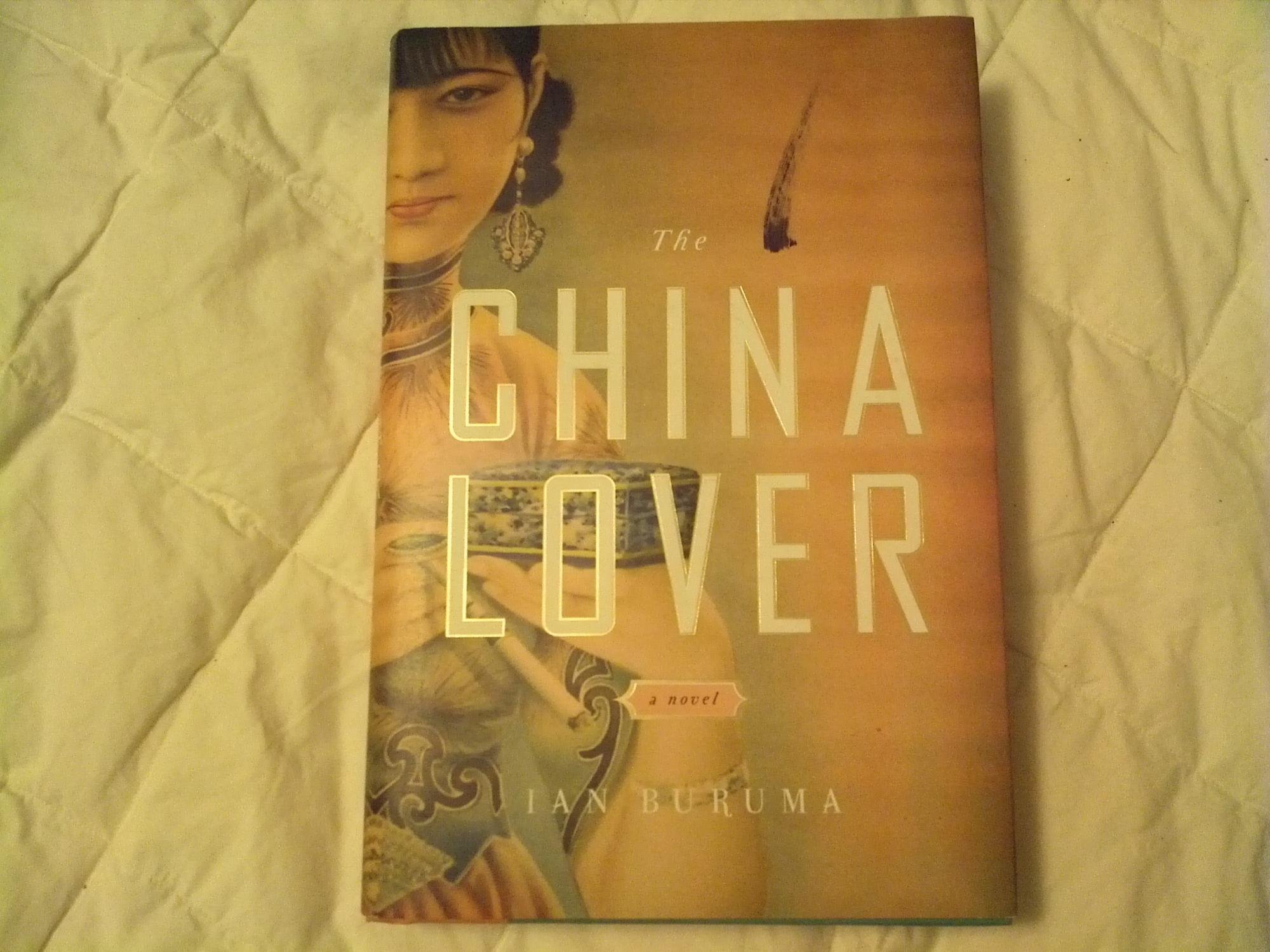



Hiding her Japanese identity in U.S.-occupied Tokyo while performing as a Chinese beauty in censor-approved films, Yamaguchi Yoshiko moves to America, where she eventually marries a promising Japanese diplomat and becomes an influential television personality and politician. 30,000 first printing. *Starred Review* Given the complexity of his award-winning journalism and penetrating books of cultural analysis, Buruma is bound to write novels of similar gravitas, although he can also be witty and provocative. Drawing on his deep knowledge of Asia and a passion for Japanese cinema, Buruma found his perfect subject in Yoshiko Yamaguchi, the nearly forgotten, once controversial Japanese singer and actress turned journalist and politician. It takes three male narrators in three different eras to convey the full drama of Yoshiko’s life of transformations, from her posing as the Chinese performer Ri Koran to her roles in U.S.-directed Japanese propaganda films, her marriage to the artist Isamu Noguchi, and her courageous reporting in Saigon and Beirut. As Buruma bends the beam of history through the prism of his imagination and spotlights the many contradictory roles Yoshiko played, she becomes our shimmering guide through the shadowy realm where art, eroticism, and politics collide. The dark deeds of Tokyo gangsters, the endless horror of Hiroshima, the deep wounds of occupation, the sensuous power of film, and the strange circumstances that induced three Japanese gunmen to launch a terrorist attack on the Tel Aviv airport––all are facets in Buruma’s magnificent saga of war and prejudice, beauty and tyranny, sacrifice and survival. --Donna Seaman Ian Buruma is currently Luce Professor at Bard College. His previous books include God's Dust, Behind the Mask, The Missionary & The Libertine, Playing the Game, The Wages of Guilt, Anglomania , and Bad Elements . He writes frequently for The New York Review of Books, The New York Times Magazine, The New Yorker, and the Financial Times . From The Washington Post's Book World/washingtonpost.com Reviewed by Wendy Law-Yone During the Japanese occupation of Manchuria from 1932 to 1945, the studios of the Manchurian Film Association produced a series of propaganda movies intended for Chinese audiences. These musicals and melodramas -- invariably featuring romance between a beautiful Chinese woman and a handsome Japanese man -- were huge hits in the occupied territories, and their principal box-office star was the doe-eyed singer and actress best known to the Western world as Shirley Yamaguchi. Yamaguchi Yoshiko (as she was known in her early days) was born in Manchuria to Japanese parents and grew up speaking both Mandarin and Japanese. With the advantage of fluent Mandarin, in addition to good looks and a fashionable coloratura, Yamaguchi was perfectly suited to play the leading lady in a succession of movies that catapulted her to fame. She played the part so convincingly -- suppressing her Japanese identity under the Chinese stage name of Li Xianglan (or Ri Koran, in the Japanese version) -- that adoring audiences were totally taken in. After the Japanese surrender, she was arrested by the Chinese government and charged with collaborating with the enemy, a capital crime. Only by producing proof of her pedigree as a bona fide Japanese was she exonerated and allowed to leave for Japan. Though apparently plagued ever after by guilt for contributing to wartime deception, Yamaguchi continued on a steady path to stardom. She went on to make a few B-movies in Hollywood in the 1950s, appeared on Japanese television as a talk-show host venturing as far afield as Vietnam and Palestine, and settled into politics as a member of the Japanese diet for almost 20 years. Ian Buruma's The China Lover is a recreation of Yamaguchi's controversial, eventful and remarkably resilient career through the narratives of three men -- one American, two Japanese -- all of them confidants at different stages of her life. Sato Daisuke is a shadowy special agent for the Military Police in Mukden who has known Yamaguchi since she was a child, and is instrumental in launching her film career in the sinister police state of wartime Manchuria. Sidney Vanoven, a gay film buff from the American Midwest, gets to know Yamaguchi during the U.S. occupation of Japan, when he is part of the censorship team charged with overseeing the production of Japanese movies "to reflect the new spirit of 'individualism' and 'democracy' and 'respect for the rights of men and women.' " Sato Kenkichi is a disaffected student, drifter and soft porn filmmaker -- until he is hired as a script-writer for Yamaguchi's television talk show. As a result of one of their working trips to Palestine, Kenkichi ends up a terrorist in the Japanese Red Army. All three voices belong to convincing fictional narrators, due perhaps to the fact that at least two of them appear to be based on historical figures. Sato Kenkichi is clearly Kozo Okamot