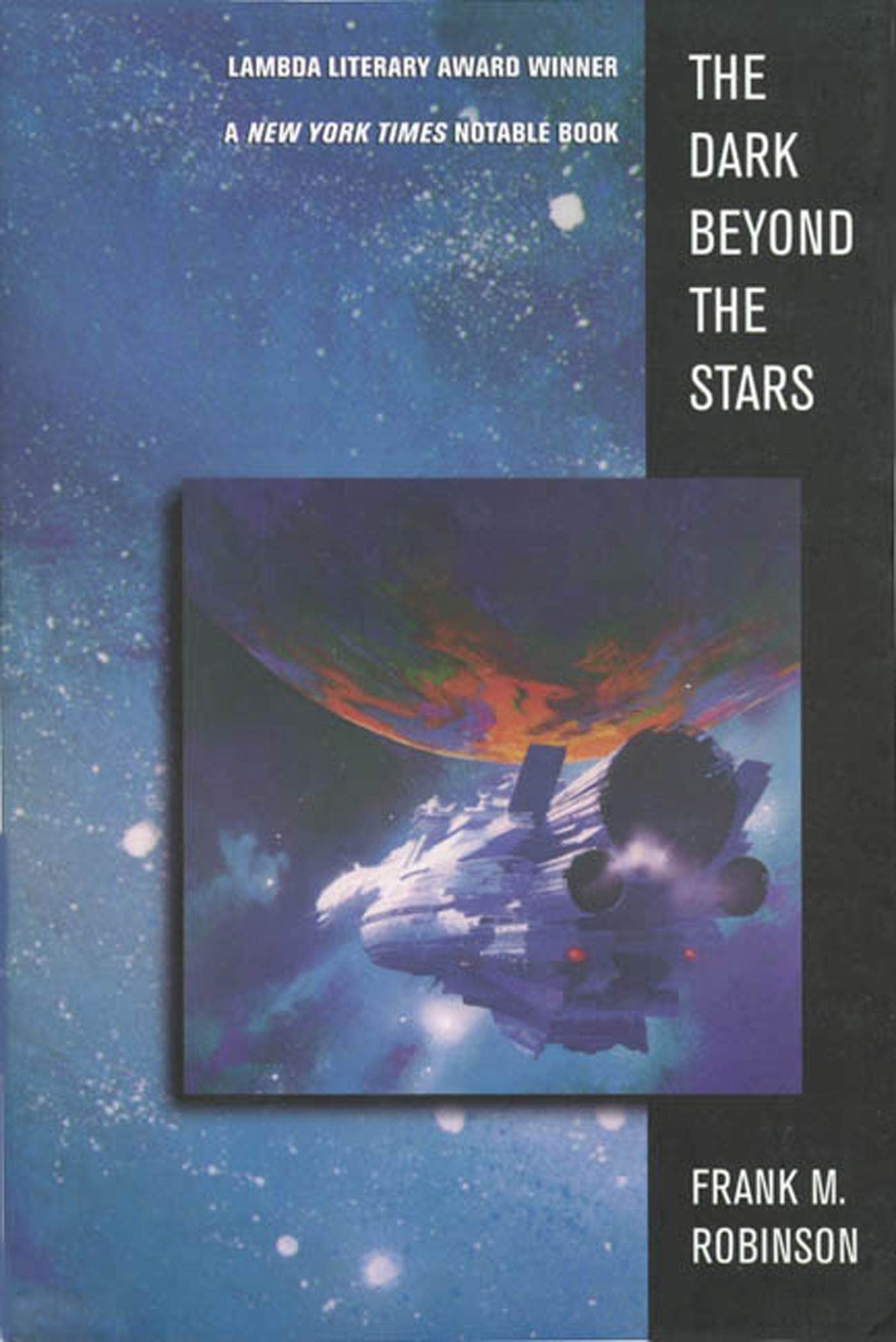



For two thousand years, the starship Astron has search the galaxy for alien life--without success. Now, just as the ship is falling apart, the only direction left to explore is across the Dark, a one-hundred-generation journey through empty space. The ship's captain--immortal, obessed--refuses to abandon the quest. He will cross the Dark, or destroy the ship trying. Only Sparrow, a young crewman uncertain of his own past, can stand against the captain, and against the lure and challenge of the dark beyond the stars.... “A generation-ship masterpiece....Do not miss this novel.” ― Los Angeles Times “ The Dark Beyond the Stars is the welcome return of a very talented writer.” ― William Gibson For two thousand years, the starship Astron has searched the galaxy for alien life - without success. Now, just as the ship is falling apart, the only direction left to explore is across the Dark, a one-hundred-generation journey through empty space. The ship's captain - immortal, obsessed - refuses to abandon the quest. He will cross the Dark, or destroy the ship trying. Only Sparrow, a young crewman uncertain of his own past, can stand against the captain, and against the lure and challenge of the dark beyond the stars... Frank M. Robinson (1926-2014) is the author of the classic thrillers, The Power , filmed in 1968, and The Glass Tower , which was one of the sources for the Irwin Allen blockbuster film The Towering Inferno. A U.S. Navy veteran of both WWII and the Korean War, he earned degrees in physics and journalism. He worked at a number of magazines, including Science Digest, Rogue, Cavalier and Playboy before becoming a freelance writer. He is the author of many novels and stories, a noted collector of pulp magazines, and was the executor of the estate of Harvey Milk. His novel The Dark Beyond the Stars won the Lambda Award. The Dark Beyond the Stars A Novel By Robinson, Frank M. Orb Books Copyright © 1997 Robinson, Frank M. All right reserved. ISBN: 9780312866242 1 The only thing I remembered was that I had seen extraordinary sights on the morning of the day I died. I had gone in with the crew of the Lander at 0600, just as the system’s sun began to cast a delicate lavender haze over the valley floor. I was the last one down the ladder, snagging a boot on the bottom rung so I had to make a desperate lunge to keep from sprawling on the planet’s surface below. Nobody seemed to notice, but the stress indicators inside my helmet whirred and a dizzying series of readouts whizzed by in my heads-up display, stopped, then scrolled past again. Pulse rate up, respiration up, body secretions up … There was a flicker in the smooth sequence of numbers where a tiny circuit had burned out, and I swore to myself. I had inspected the electrical harness and the helmet display on board ship and I knew somebody else on the team must have checked it again after me. It shouldn’t have happened. I took a firmer grip on my small hand ax, readjusted the position of the sample bag on my equipment belt, then turned to watch as the rest of the exploration team climbed into the Rover. I was looking directly into the sun and had to shield my eyes against the glare. The visor polarizer wasn’t working, either. I wondered if it ever had, then realized it must have been the first thing I had checked, if for no other reason than that it was the easiest. I couldn’t have missed it. I glanced around again and promptly forgot about it, caught up in the overwhelming beauty of the planet. Dunes stretched for half a dozen kilometers down to a shallow canyon and its dry creekbed while pink hills huddled under a peach-colored sky. Porous reddish rocks were half hidden in the drifted sand— sand !—and I kicked at one of the rocks with my flex-boot, grinning proudly at the little puff of dust I raised. On impulse, I laboriously scratched an H next to the rock. Instant immortality. At least until the next windstorm. On the far side of the canyon a shield volcano jutted up a good ten kilometers, the scarp at its base within easy reach of the ancient riverbed. We would take samples from the creekbed and scarp, record the terrain, and then… I grinned. We would do all of that but we would also gawk, scuff our boots in the dust, and take only half as many readings as we should. There were no seasoned explorers on board—there were too few opportunities for exploration. I glanced again at the figures in the Rover and waved, unable to wipe the smile from my face. The first planet I had ever walked upon, the first rock I had ever kicked, the first sunrise I had ever watched, the first clouds I had ever seen… The stress readouts flickered again. My pulse rate was edging higher, as well as my secretions…the inside of my helmet was rosy with warning lights. Well, what had I expected? I was lucky that sweating was all I was doing. Besides, the suit weighed ; the planet had a gravity of 0.8, while on board ship there was non