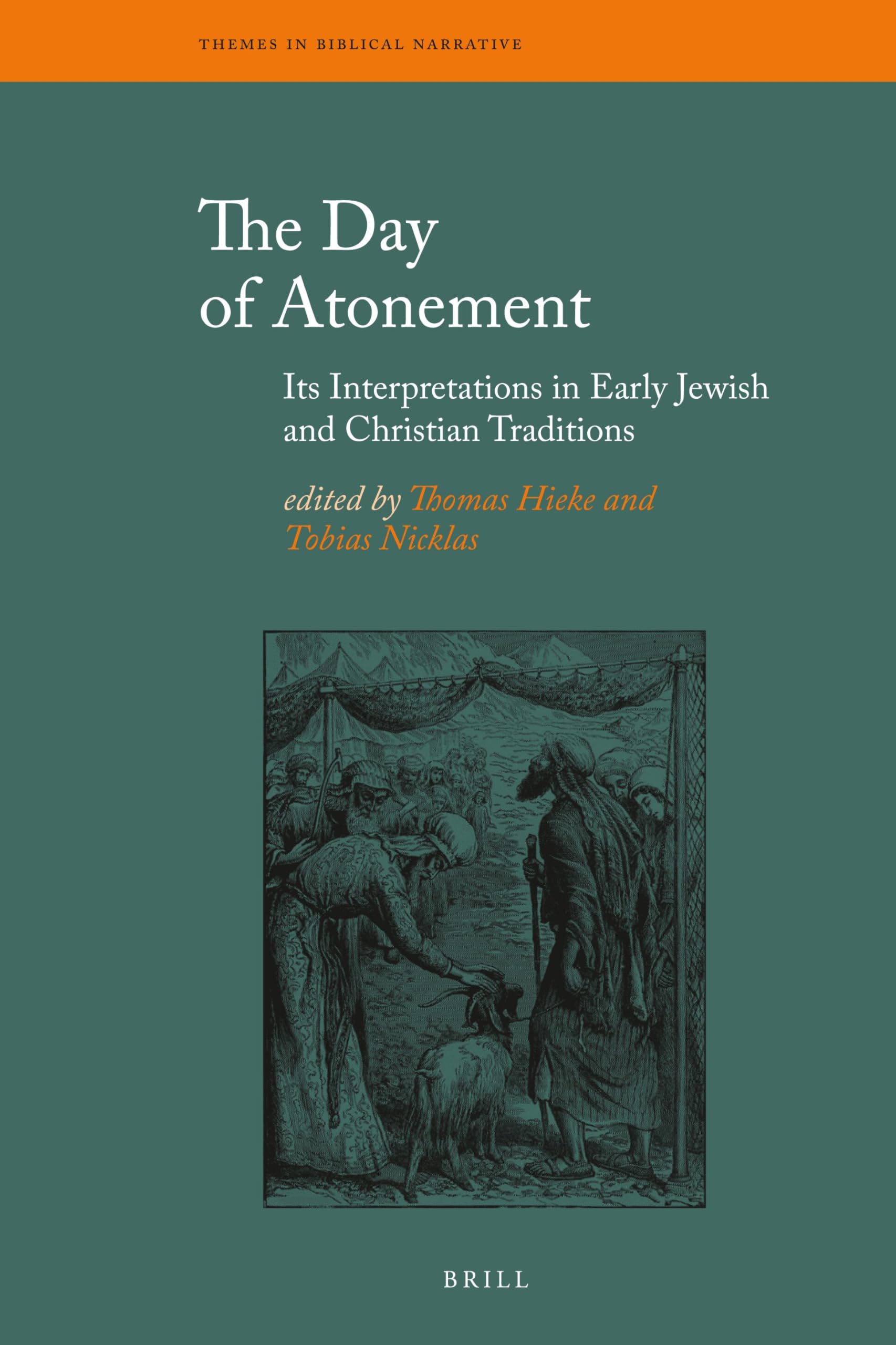
The Day of Atonement: Its Interpretations in Early Jewish and Christian Traditions (Themes in Biblical Narrative, 15)
$170.05
by Thomas Hieke



Established at the center of the Torah, the instructions for the celebration of the “Day of Atonement” hold a prominent position (Leviticus 16). The language of atonement, purification and reconciliation represents the variety of concepts that both explore the complex relationships between God and man, between Yahweh and his chosen people Israel, and that set apart the place of encounter―the sanctuary. Leviticus 16 has served as the point of departure for numerous religious and cultural practices and thoughts that have had a formative influence on Judaism and Christianity up to the present day. The essays in this volume form a representative cross section of the history of the reception of Leviticus 16 and the tradition of the Yom ha-Kippurim. Thomas Hieke , Dr. theol. (1996) in Old Testament studies, is Professor of Old Testament at the Faculty of Catholic Theology, Johannes Gutenberg-University of Mainz, Germany. He is preparing a commentary on Leviticus for the series Herders Theologischer Kommentar zum Alten Testament . Tobias Nicklas , Dr. theol. (2000) in New Testament studies, is Professor of New Testament at the Faculty of Catholic Theology, University of Regensburg, Germany. He has published extensively on Early Jewish Literature and Christian Apocrypha.