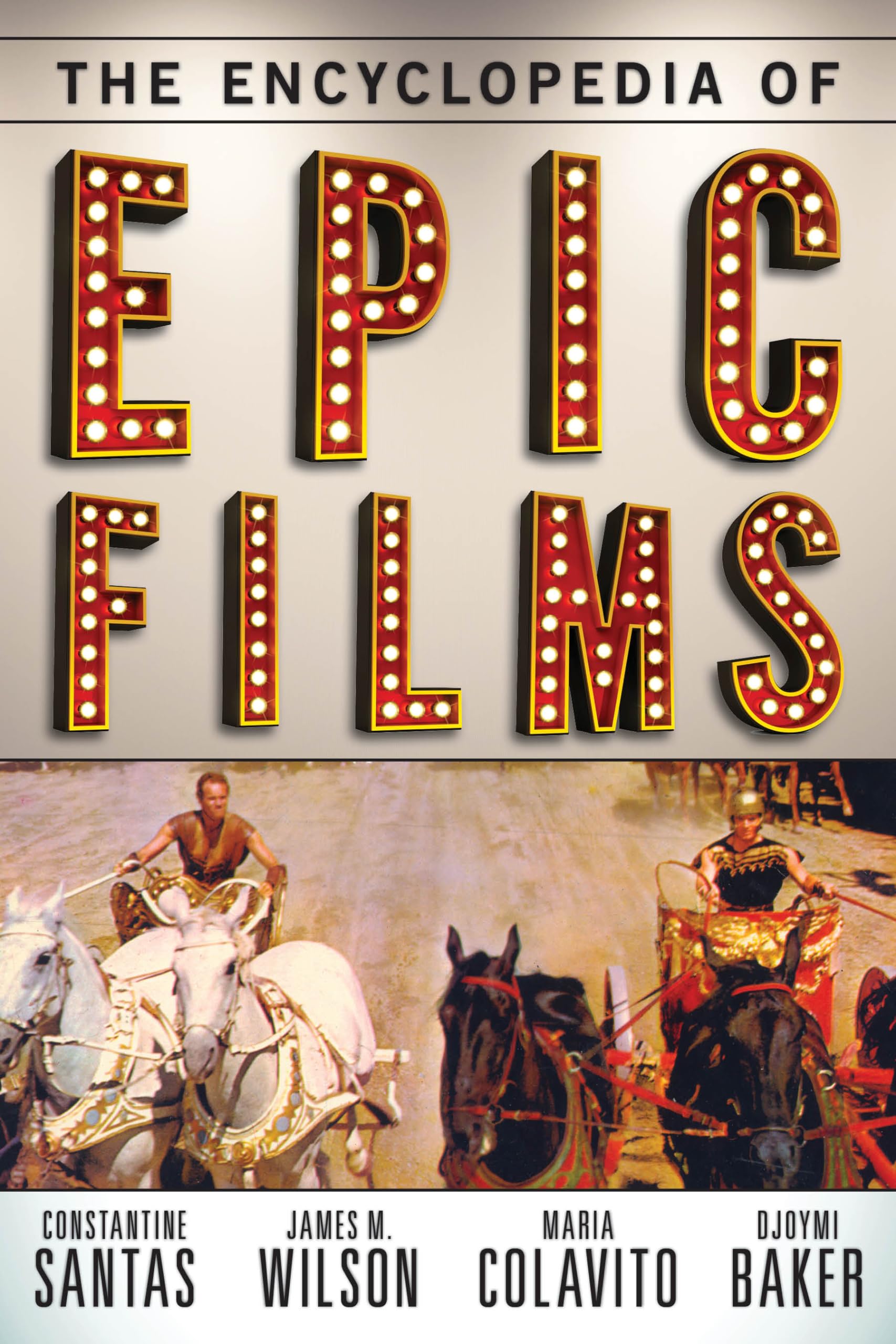



Soon after film came into existence, the term epic was used to describe productions that were lengthy, spectacular, live with action, and often filmed in exotic locales with large casts and staggering budgets. The effort and extravagance needed to mount an epic film paid off handsomely at the box office, for the genre became an immediate favorite with audiences. Epic films survived the tribulations of two world wars and the Depression and have retained the basic characteristics of size and glamour for more than a hundred years. Length was, and still is, one of the traits of the epic, though monolithic three- to four-hour spectacles like Gone with the Wind (1939) and Lawrence of Arabia (1962) have been replaced today by such franchises as the Harry Potter films and the Lord of the Rings trilogy. Although the form has evolved during many decades of existence, its central elements have been retained, refined, and modernized to suit the tastes of every new generation. The Encyclopedia of Epic Films identifies, describes, and analyzes those films that meet the criteria of the epic―sweeping drama, panoramic landscapes, lengthy adventure sequences, and, in many cases, casts of thousands. This volume looks at the wide variety of epics produced over the last century―from the silent spectacles of D. W. Griffith and biblical melodramas of Cecil B. DeMille to the historical dramas of David Lean and rollercoaster thrillers of Steven Spielberg. Each entry contains: Major personnel behind the camera, including directors and screenwriters Cast and character listingsPlot summaryAnalysisAcademy Award wins and nominationsDVD and Blu-ray availabilityResources for further study This volume also includes appendixes of foreign epics, superhero spectaculars, and epics produced for television, along with a list of all the directors in the book. Despite a lack of overall critical recognition and respect as a genre, the epic remains a favorite of audiences, and this book pays homage to a form of mass entertainment that continues to fill movie theaters. The Encyclopedia of Epic Films will be of interest to academics and scholars, as well as any fan of films made on a grand scale. “An epic film, according to this publication, is one that is lengthy, spectacular, live with action, and often filmed in exotic locales with large casts and staggering budgets. The films are sometimes three to four hours long. This volume features a 'Films A to Z' section and four appendixes. Entries contain cast and character listings, 'major personnel behind the camera,' plot summaries, analysis, running time, Academy Award wins and nominations, DVD/Blu-ray availability, and resources for further study. The appendixes cover foreign epics, superhero spectaculars, and television epics. . . .Many interesting facts are presented. . . .Also notable are the instances in which this volume explores both original films and their remakes. Two King Kong films, two Cleopatra films, and two Ten Commandments films (1923 and 1956; both directed by Cecil B. DeMille) are covered. Film series such as The Godfather, the Christopher Reeve Superman films, The Lord of the Rings series, and the Sam Raimi Spider-Man films are also examined. Stanley Kubrick's majestic 2001: A Space Odyssey is described as having vision, dazzling sets, visual style, beautiful music score sequences, and mystery. These are definitive ingredients for a classic epic film. This book will be a useful addition to college and university libraries, especially those supporting film programs. Summing Up: Recommended. Lower-division undergraduates through researchers/faculty.” ― Choice Reviews “[T]his beneficial guide provides a historical perspective along with ideas for general viewers and cineastes.” ― Library Journal “To borrow a famously ambiguous definition, it appears that one knows what an epic is when one sees it. The introduction to this eclectic encyclopedia―of a genre possessing a less distinct character than, say, musicals, documentaries, or mysteries―eschews a single definition of epic film. Rather, it traces the origins of epic to the writings of Homer and other ancients on to American film, especially through the 1960s. In the process, it describes epic films’ evolving characteristics, relationship to archetypes, and response to changes in popular taste. Organizational structure implies the clearest distinction within the genre, relegating superhero and franchise epics (such as Batman, Lord of the Rings, Star Wars) to an appendix preceding appendixes for foreign-language epics, made-for-TV epics, and directors and their works. . . .The alphabetical organization by film title accommodates readily acknowledged epics, such as Lawrence of Arabia, Gone with the Wind, and Cleopatra, along with others that the label fits more loosely, for example, Elmer Gantry and Mr. Smith Goes to Washington. Entries include credits and substantial plot summaries, with less attention to critical response. Most