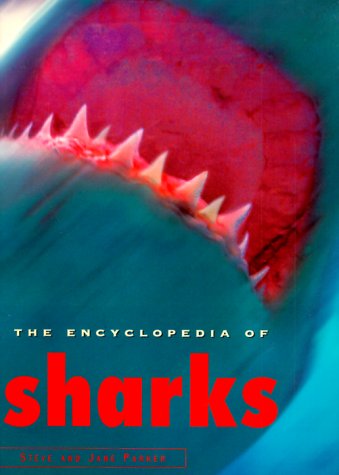



Discusses these misunderstood animals, covering their evolution, behavior, geographical ranges, reproduction, physiology, and place in mythology This reference, which provides comprehensive information on sharks and their relatives, should help readers gain a much better appreciation of this special group of ancient fishes, probably the most maligned group of animals in our popular culture. The text consists of two-page articles, each covering a different aspect of sharks, including evolution, taxonomy, behavior, geographical ranges, reproduction, physiology, and the shark's place in mythology. Enhanced by many photographs, sidebars, and charts, these short articles are to read and enjoy; the writing style is aimed at high school and nonscientist adults. A good index and excellent glossary round out the book, which lacks only a bibliography. Recommended for high school, college, and public libraries, especially those without strong marine biology collections.AMargaret A. Rioux, MBL/WHOI Lib., Woods Hole, MA Copyright 1999 Reed Business Information, Inc. The perennially popular sharks provide ample material for many books, and this new effort is a good introduction to the biology of these predatory fishes. Sharks, the terrifying cold-blooded killing machines of myth and legend, fascinate because of their mystery when coming out of the depths and seizing their prey. Improving the shark's image by being realistic and sensible about them is one of the stated goals of this work, and the authors have succeeded admirably. In seven chapters, divided into short sections, they discuss the evolution of sharks, their senses, internal organs, behavior, foods and feeding, and reproduction. Well illustrated with photographs, color drawings, maps, and diagrams, the text is basic yet informative in discussing sharks as a group. A list of aquariums with captive shark displays and areas where interested readers can dive with sharks follows the main body of the text. The lack of a bibliography is a weakness, but overall this will be a good start for readers interested in sharks. Nancy Bent Charts, maps and diagrams highlight the fact-filled text ... Readers are left marveled, amazed and wanting to read more. Children also love this book for the cool, scary, pictures. -- Today's Librarian, January 2000 Amazing Sharks Sharks have been living for over 400 million years. They came through the five great mass extinctions, and competed favorably with the rapidly evolving bony fishes, and today they are among the top predators in the sea. During all that time, sharks have been honed to evolutionary perfection, with a body that yacht and submarine designers can only envy and with wide-ranging sensory systems that military technologists would die for. The archetypal shark is a sleek, torpedo-shaped hunter with a tall, triangular dorsal fin and powerful scythe-shaped tail, but this is only one of many types of shark. There are gigantic filter feeders resembling whales, sluggish and flabby deep sea sharks, flattened bottom-dwelling angel sharks, reef sharks with wedge-shape heads for pushing into cracks and crevices, carpet-like wobbegongs that are camouflaged as coral, parasitic cookie-cutters with sucker-like mouths and enormous teeth, eel-like sharks with frilly gill slits, and epaulette sharks that can walk on their fins like salamanders. Sharks Worldwide They live in all parts of the sea, from the desert-like surface waters to the inky depths of the deep sea, and from the tropics to colder waters. There are sharks inhabiting coral reefs, mangroves, rocky shores, estuaries, and one species -- the bull shark -- that can live in freshwater hundreds of miles from the sea. Another -- the Greenland sleeper shark -- can survive even under the Arctic ice. Throughout human history, however, all sharks have been tarred with the same brush, and have gained an evil reputation. Much of it was based on myth and folk tales, but some was due to the tendency of a few sharks to attack, kill and sometimes devour people. But this negative view is changing. There has been a revolution and now sharks have friends. As shark biology and behavior become gradually clearer, people realize they can share the water with sharks ... as long as it is on the shark's terms. We now know sharks have a personal space that we must not invade or they will treat us like any other intruder and attack. They have a body language that we are beginning to interpret, and a new understanding of why they behave in the way that they do. They are not solitary killers looking for the next human victim, but many are social animals abiding by the rules of their own shark society. New Status for Sharks Understanding sharks in this way has changed attitudes. Shark scientists now dare work with sharks outside shark cages, even with potentially dangerous sharks, such as great white, tiger and bull sharks, which were once feared as insatiable man-eaters. Groups of tourists can atten