The Epiphany of Hieronymus Bosch: Imagining Antichrist and Others from the Middle Ages to the Reformation (Studies in Medieval and Early Renaissance
$143.00
by D. H. Strickland



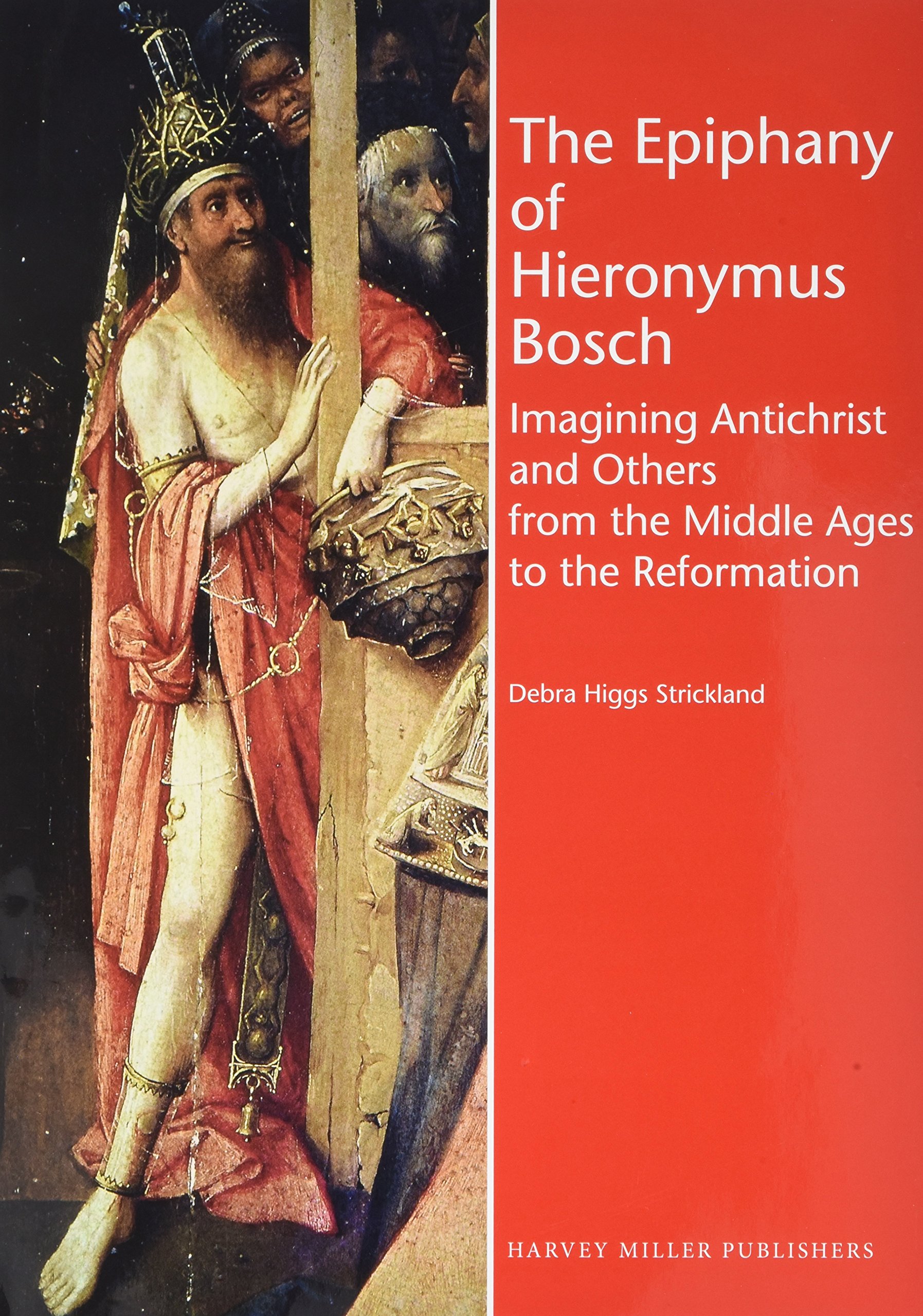
This study examines medieval Christian views of non-Christians and their changing political and theological significance as revealed in late-medieval and early-modern visual culture. Taking as her point of departure Hieronymus Bosch's famous Epiphany triptych housed in the Prado Museum in Madrid, the author analyzes how representations of Jews, Saracens (later Turks), 'Ethiopians', and Mongols for centuries shaped western Christian attitudes towards salvation history, contemporary political conflicts, and the declining status of the Roman Church. She argues that Bosch's innovative pictorial warning of the coming of Antichrist and the threat posed by non-Christians gained its power and authority through intervisual references to the medieval past. Before and after Bosch, imaginative constructions that identified Jews and Turks with Gog and Magog, or the Pope with Antichrist, drew upon a long-established range of artistic and rhetorical strategies that artists and authors reconfigured as changing political circumstances demanded. Painted at a pivotal moment on the eve of the Reformation, the Prado Epiphany is a compelling lens through which to look backwards to the Middle Ages, and forwards to Martin Luther and the ideological significance of escalating Christian/non-Christian conflicts in the formation of the new Protestant church.