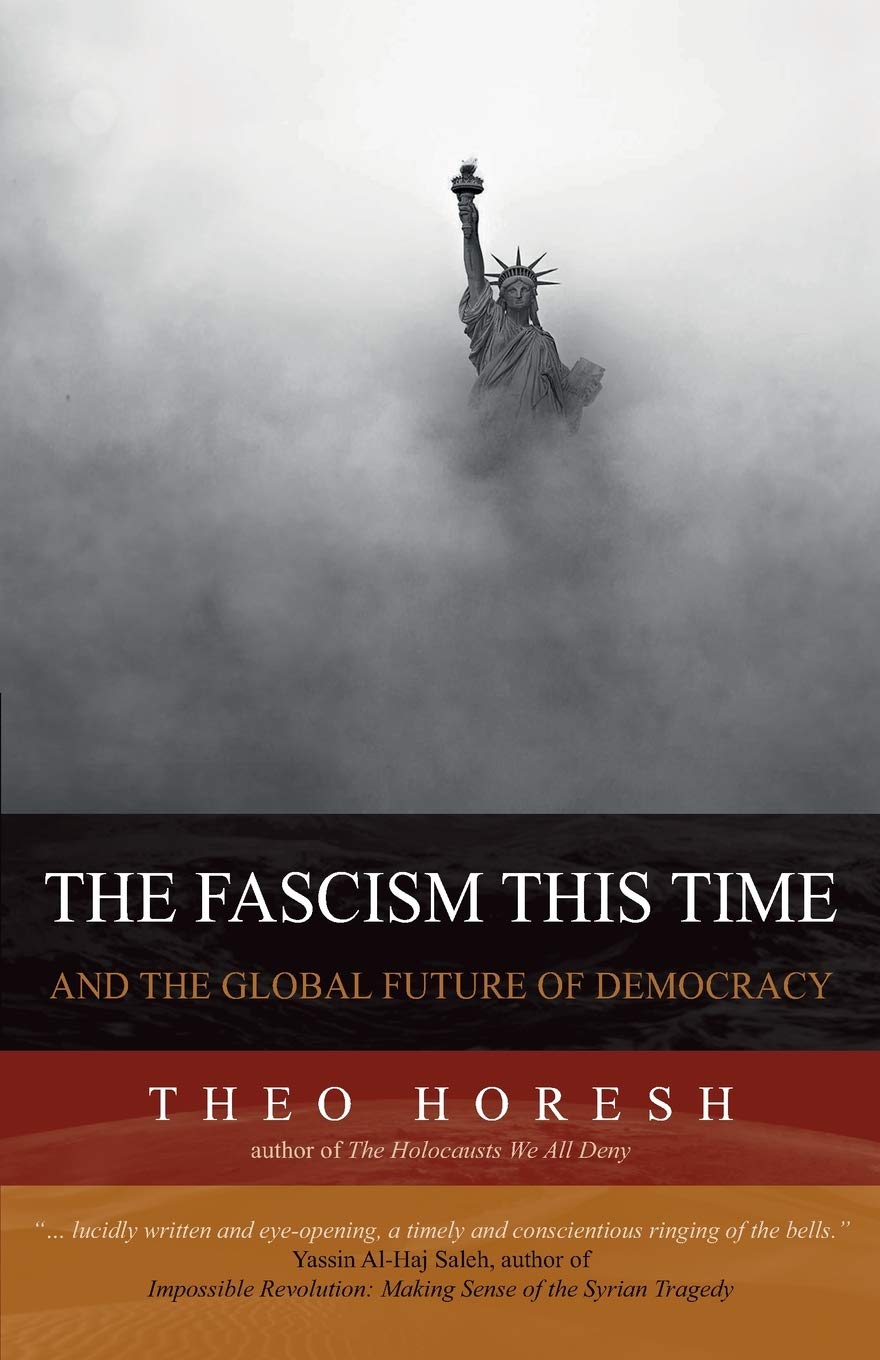



"Horesh's perceptive and thoughtful views on fascism are in the great tradition of past works by Orwell, Albert Camus, Hannah Arendt and Henry Thoreau." Andy Heintz, author of Dissidents of the International Left A new wave of fascism is inundating the world under the guise of rightwing populism, but the fascism this time has little to do with taking down elites—and it is every bit as dangerous as the fascism last time. Fascism can be identified by its toxic brew of racism, sexism, ethnonationalism, and authoritarianism. It is organized around a cult of personality, and it mobilizes ressentiment in senseless acts of nihilism. Fascist movements are dangerous because they harness nationalist aggression against minorities, but their subtler danger lies in their turn against reality. They reject science and rationality because they are seen as a threat, and since the world cannot be turned off, fascists try to tear it down instead. Fascists seek, in the words of Erich Fromm, to escape the burden of freedom and return to the mythologized bonds of patriarchy. Yet, in a vast and complex world, where survival requires adaptation and adaptation flexibility, their forced regression always ends in destruction. In this way, fascism is not simply a reaction to globalization but a nihilistic assault on the world itself. The destruction can be witnessed in the disastrous response of fascist leaders the world over to the coronavirus and the recent explosion in crimes against humanity. The Fascism This Time elucidates a psychosocial model of fascism which predicted that Trump's election would lead to an accelerated assault on democratic institutions, a global increase in authoritarianism, immigrant concentration camps, the starvation of Yemen, and an effort to maintain power by force. Yet, the fascism this time is global, and putting a stop to it will require a global democracy movement that is only just getting underway. This book is a highly original account of how the fascism this time is tied to the overwhelming challenges with which the world is now faced. Its warning about the dangers of denial is reminiscent of Timothy Snyder's, On Tyranny, while its insights into the nature of mass movements harkens back to Eric Hoffer's, The True Believer. It is a sweeping defense of democracy, and a classic testament to resistance, inspiring action and reflection, and sparkling with insights, in the perennial tradition of Hannah Arendt and Alexis de Tocqueville. "... lucidly written and eye-opening, a timely and conscientious bell-ringing." Yassin Al-Haj Saleh, author of Impossible Revolution: Making Sense of the Syrian Tragedy "... an extremely timely and insightful book which challenges existing complacencies in light of disturbing populist and anti-global political trends... an important wake-up call regarding the dangers of populist politics and the emergence of a rebranded fascism, which threatens core democratic values, sacred social institutions, and the future of international cooperation in the face of truly global collective action problems." Garrett Wallace Brown, author of The Cosmopolitan Reader , and Chair in Political Theory, University of Leeds "The rise of fascist and quasi-fascist movements in recent years have been well-documented. Theo Horesh takes the vitally important step of also analyzing its components, understanding its appeal, recognizing its danger and, in doing so, better enables us to defend democracy." Stephen Zunes, University of San Francisco "Horesh's perceptive and thoughtful views on fascism are in the great tradition of past works by Orwell, Albert Camus, Hannah Arendt and Henry Thoreau." Andy Heintz, author of Dissidents of the International Left "Theo Horesh is the most articulate contemporary voice for democracy and against fascism that I know. He writes with clarity, compassion, courage, and critical thought." Imon Ghosh, author of Reducing Poverty to Accelerate Economic Growth " If you are worried about the crisis of democracy in the world, do yourself a favor and read this book. By dissecting the workings of authoritarian rule and the grassroots democratic movements that have consistently defeated it, he shows that "fascists are rarely able to hold power for long." But he brings focus to our responsibility as democratic global citizens by warning: "the danger is not so much we will not be able to maintain our democracies, but rather that we will not want to." This is one of the best books I have read in many years." Kevin Danaher, Founder of Global Exchange and author of Fifty Years is Enough: The Case Against the World Bank and International Monetary Fund "To my knowledge, Theo and I were the first writers to predict Nazi-style interment/concentration camps on American soil if Trump became president, shortly after he announced his candidacy. He also predicted that Trump would wear down resistance within his party and then, with it firmly under his