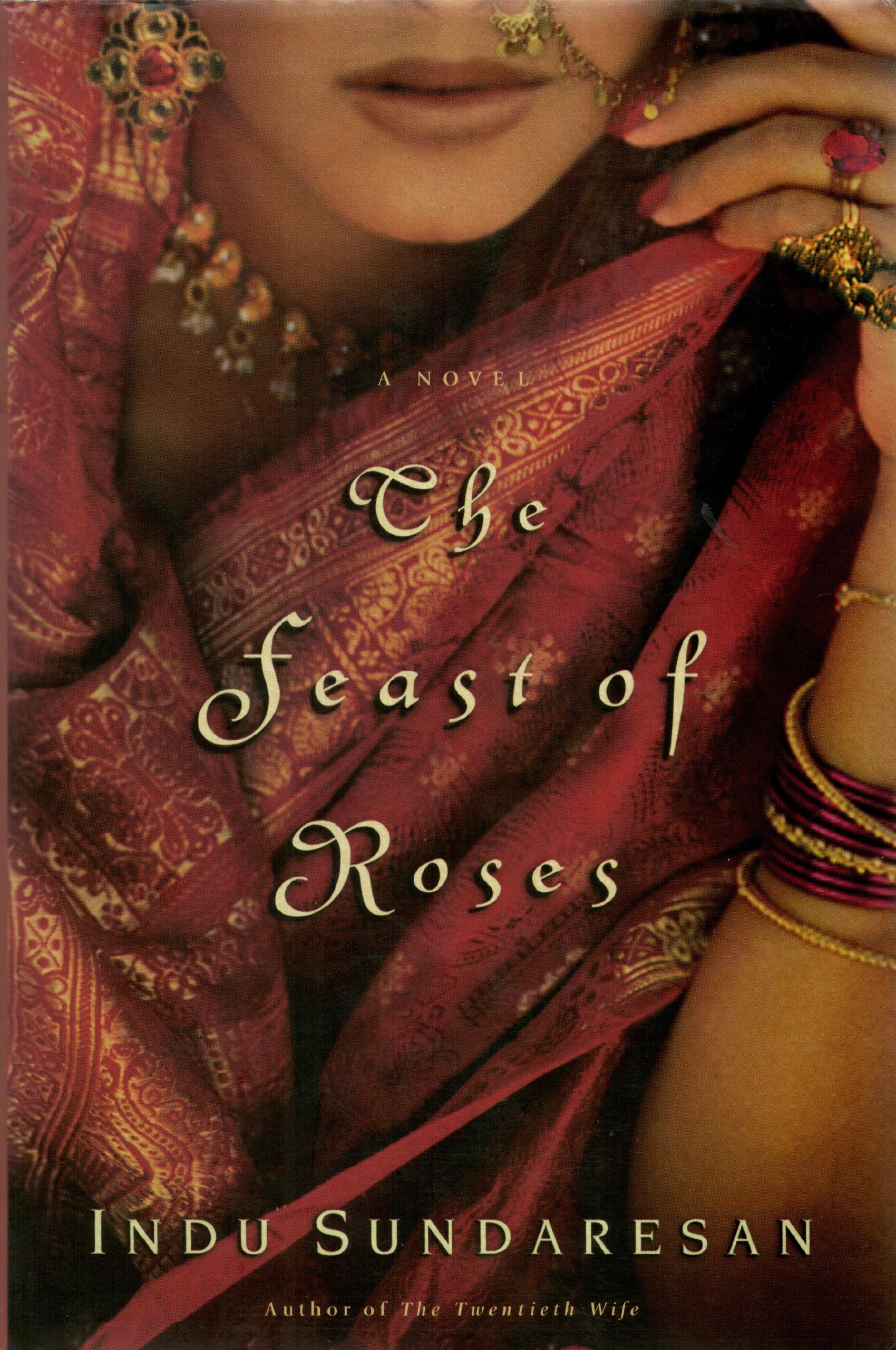



Contines the story of the life and times of Mehrunnisa, the wife of Emperor Jahangir of the Mughal Empire during the seventeenth century. Weaving another rich historical tapestry, Sundaresan offers a sequel to her first novel, The Twentieth Wife (2002), and it is based on the ascent of the exotic Mehrunnisa to the status of wife in the court of seventeenth-century emperor Jahangir of India. Smitten with the intellectually stimulating Mehrunnisa, the emperor is granting her liberties unheard of in the Mughal empire, and the officials are bristling with concern over the newest wife's influence. Mehrunnisa is shrewd enough to know that she must exert her will from behind the veil and allow her wishes to float like gentle waves into the sea of her husband's thoughts, but it is only a matter of time before envy and intrigue cloud her happiness. Although Mehrunnisa is the light of Jahangir's life, she must compete with the women of the harem for her place in the household and ultimately secure her political visions by surrounding herself with men she can trust. Sundaresan colors the life of a fascinating woman whose female wiles inspired the Taj Mahal. Elsa Gaztambide Copyright © American Library Association. All rights reserved ". . . In The Feast of Roses , Indu Sundaresan displays for us another rich tapestry of Mughal history . . .lush in historical context." -- Bookloons.com ". . . The Feast of Roses is an insightful look at the royal court of seventeenth century India . . ." -- Allreaders.com ". . . Sundaresan lavishes the pages with wonderfully descriptive scenes full of historical tidbits . . . Her characters come alive . . ." -- Canon Beach Gazette Marilyn Yalom Author of A History of the Wife and A History of the Breast This epic tale...is informative, convincing, and madly entertaining. -- Review Indu Sundaresan was born and raised in India. She came to the United States for graduate studies and started writing fiction seriously in 1993. She lives in the Seattle, Washington, area. Chapter One Nature had endowed her with a quick understanding, a piercing intellect, a versatile temper, sound common sense. Education had developed the gifts of nature in no common degree. She was versed in Persian literature and composed verses, limpid and flowing, which assisted her in capturing the heart of her husband. -- BENI PRASAD, History of Jahangir The months of June and July passed. The monsoons were tardy this year -- the nights hinted rain constantly with an aroma in the air, a cooling on the skin, soundless lightning across skies. But when morning came, the sun rose strong again, mocking Agra and its inhabitants. And the days crawled by, brazenly hot, when every breath was an effort, every movement a struggle, every night sweat-stewed. In temples, incantations were offered, the muezzins called the faithful to prayers, their voices melodious and pleading, and the bells of the Jesuit churches chimed. But the Gods seemed indifferent. The rice paddies lay plowed after the pre-monsoon rains, awaiting the seedlings; too long a wait and the ground would grow hard again. A few people moved torpidly in the streets of Agra; only the direst of emergencies had called them from their cool, stone-flagged homes. Even the normally frantic pariah dogs lay panting on doorsteps, too exhausted to yelp when passing urchins pelted them with stones. The bazaars were barren too, shopfronts pulled down, shopkeepers too tired to haggle with buyers. Custom could wait for cooler times. The whole city seemed to have slowed to a halt. The imperial palaces and courtyards were hushed in the night, the corridors empty of footsteps. Slaves and eunuchs plied iridescent peacock feather fans, wiping their perspiring faces with one hand. The ladies of the harem slept under the intermittent breeze of the fans, goblets of cold sherbets flavored with khus and ginger resting by their sides. Every now and then, a slave would refresh the goblet, bringing in another one filled with new shards of ice. When her mistress awoke, and wake she would many times during the night, her drink would be ready. The ice, carved in huge chunks from the Himalayan Mountains, covered with gunnysacks and brought down to the plains in bullock carts, was a blessing for everyone, nobles and commoners alike. But in this heat, ice melted all too soon, disappearing into a puddle of warm water under sawdust and jute. In Emperor Jahangir's apartments, music floated through the courtyard, stopping and tripping in the still night air as the musicians' slick fingers slipped on the strings of the sitar. The courtyard was square, built with Mughal and Persian precision in sharp-cut lines. An arched, cusped verandah filled one side; along the others were trees and bushes, smudged and indistinct in the darkness. In the center was a square pool, its waters silent and calm. The sandstone steps of the verandah led down to a marble platform that thrust int