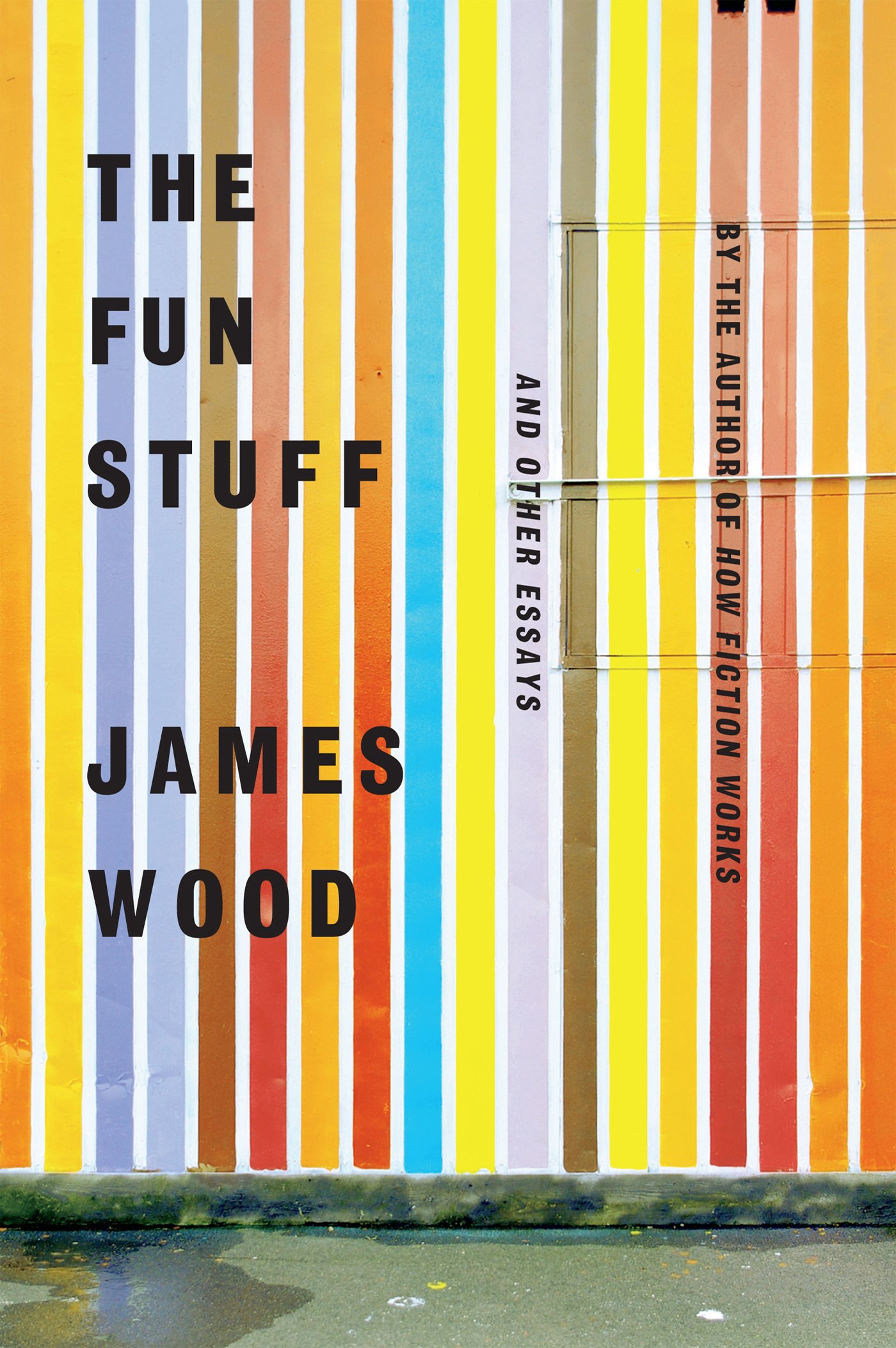



Following The Broken Estate , The Irresponsible Self , and How Fiction Works ―books that established James Wood as the leading critic of his generation― The Fun Stuff c onfirms Wood's preeminence, not only as a discerning judge but also as an appreciator of the contemporary novel. In twenty-three passionate, sparkling dispatches―that range over such crucial writers as Thomas Hardy, Leon Tolstoy, Edmund Wilson, and Mikhail Lermontov―Wood offers a panoramic look at the modern novel. He effortlessly connects his encyclopedic, passionate understanding of the literary canon with an equally in-depth analysis of the most important authors writing today, including Cormac McCarthy, Lydia Davis, Aleksandar Hemon, and Michel Houellebecq. Included in The Fun Stuff are the title essay on Keith Moon and the lost joys of drumming―which was a finalist for last year's National Magazine Awards―as well as Wood's essay on George Orwell, which Christopher Hitchens selected for the Best American Essays 2010 . The Fun Stuff is indispensable reading for anyone who cares about contemporary literature. What makes Wood such a forceful critic is the drilling down of his intelligence, the rigor of his close scrutiny, and the precision, luster, and thrust of his prose. The title essay in his third collection, a book of 23 sit-up-straight critiques, provides intriguing clues to the source of his expressive powers. One of his subjects is Keith Moon, the late, legendary drummer for The Who. Wood’s strategy to unlocking Moon’s “many-armed, joyous, semaphoring lunacy” involves describing his own “austerely Christian upbringing” and “traditional musical education, in a provincial English cathedral town,” and secret devotion to playing the drums. So when he writes that Moon’s drumming “is like an ideal sentence of prose,” we think, ah ha! And so we read to the propulsive beat of his assured and vivid dissections of the writings of George Orwell, Geoff Dyer, Ian McEwan, Cormac McCarthy, Aleksandar Hemon, and Marilynne Robinson. Of particular note is how, in his delving essay on fellow critic Edmund Wilson, Wood parses the tricky art of literary criticism, a form much enlivened by his purposeful flams, rolls, and paradiddles. --Donna Seaman “Wood is one of the best readers writing today. Devouring these pieces back to back feels like having a long conversation about books with your most erudite, articulate, and excitable friend. To read his essays on the works of Norman Rush, Aleksandar Hemon, Leo Tolstoy, or Lydia Davis is to relive the specific brand of joy created by a particular work of genius. Wood's reviews are never just evaluations; more often they are passionate, sensitive discourses on the variations of authorial voice, the nature of memory, or the burden of biography. … Wood's veneration of virtuosity reminds why we're reading at all--because we still believe that it's possible to find transcendence in great art. Isn't it fun to think so?” ― Publishers Weekly (starred review) “Wood is now unquestionably one of the most influential voices in contemporary literary criticism.” ― The Millions “Literary criticism sometimes takes itself too seriously, so it's a pleasure to see that preeminent literary critic Wood's very title reminds us what literature is really about: fun. Here he offers his heartfelt views on writers ranging from Thomas Hardy, Leo Tolstoy, and Mikhail Lermontov to Cormac McCarthy, Lydia Davis, and Michel Houellebecq. . . Get ready for some bracing delights.” ― Barbara Hoffert, Library Journal James Wood is a staff writer at The New Yorker and a visiting lecturer at Harvard University. He is the author of How Fiction Works , as well as two essay collections, The Broken Estate and The Irresponsible Self , and a novel, The Book Against God , all published by FSG.