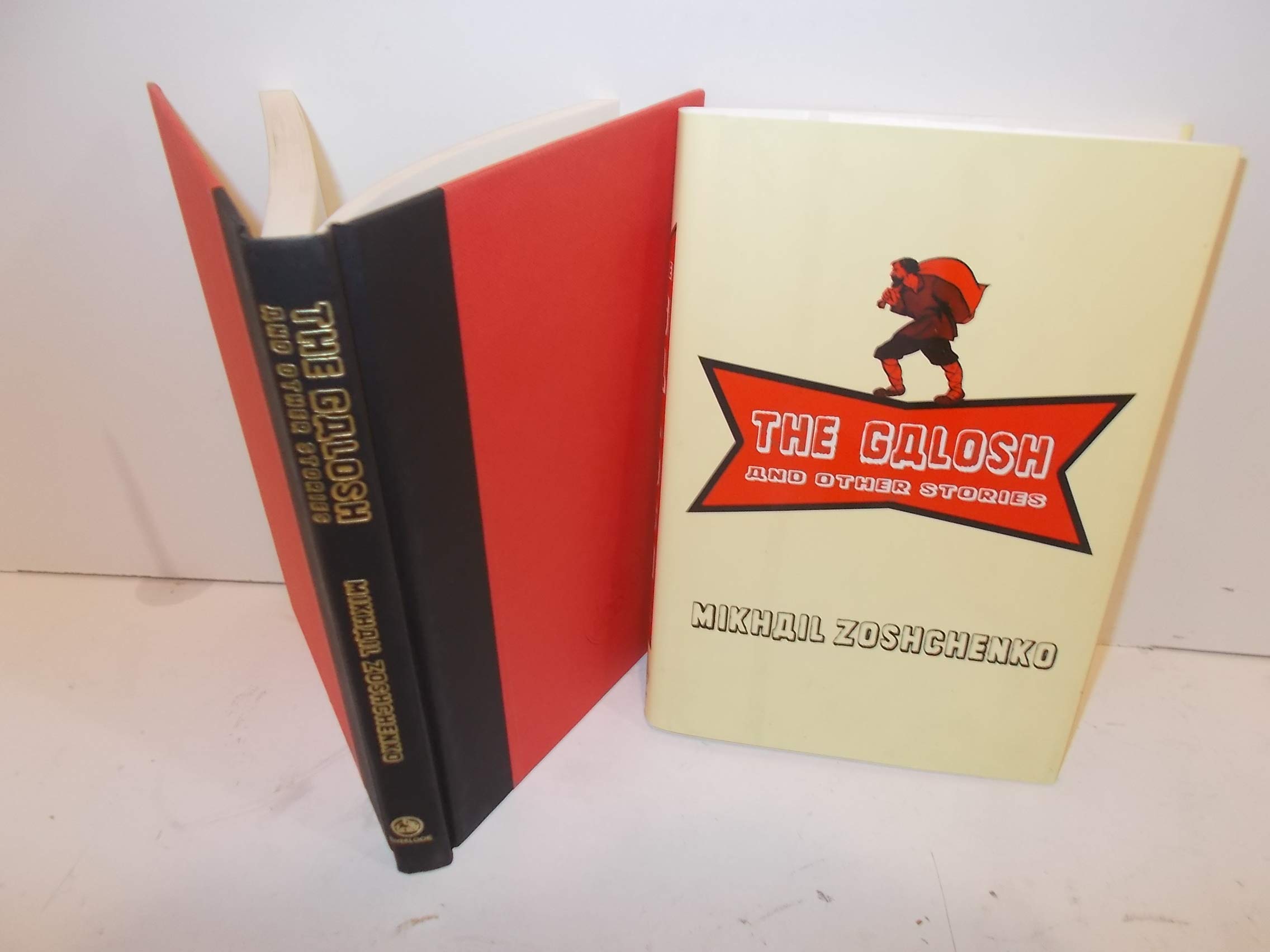



In his prime, satirist Mikhail Zoschenko was more widely read in the Soviet Union than either Pasternak or Solzhenitsyn. His stories give expression to the bewildered experience of the ordinary Soviet citizen struggling to survive in the 1920s and 30s, beset by an acute housing shortage, ubiquitous theft and corruption, and the impenetrable new ideological language of the Soviet state. Written in the semi-educated talk of the man or woman on the street, these stories enshrine one of the greatest achievements of the people of the Soviet Uniontheir gallows humor. Housing block tenants who reject electricity because it illuminates their squalor too harshly, a young couple who live in a bathroom, a railway-line manager making a speech against bribery who accidentally mentions his own affinity for kickbacksin all of Zoschenkos characters, petty materialism is balanced with a poignant faith in the revolutionary project. Zoschenko, the self-described "temporary substitute for the proletarian writer," combines wicked satire and an earthy empathy with a brilliance that places him squarely in the classic Russian comic tradition. Jeremy Hicks translation of The Galosh brings together sixty five of Zoschenkos finest short storiesbringing the choice writings of perhaps Soviet Russias most humorous and moving writer to American readers for the first time. Though little known to English readers, Zoshchenko was one of the most popular writers in early Soviet Russiaa time when, as Hicks explains in a useful introduction to this collection of brief comic tales, satire was not yet prohibited by the authorities. Describing himself as "a temporary substitute for the proletarian writer," Zoshchenko wrote in a deliberately simple style, filling his pages with corrupt officials, petty thieves, and confused bureaucrats. Hicks's fine translations overcome tricky problemsone denouement involves "Paris" being misread as a word written in Cyrillicand successfully capture Zoshchenko's knockabout use of everyday speech. Zoshchenko brought out the latent comedy of people's adaptation to new ways. In one story, the electrification of an apartment building upsets residents who previously, thanks to the gloom, had not been able to see the squalor in which they lived. Copyright © 2006 Click here to subscribe to The New Yorker The definitive edition of Soviet Russias most beloved satirist, available for the first time in the United States. Mikhail Zoschenko (1895-1958) was born in Poltava, but lived nearly all of his life in St. Petersburg, Russia. He fought in World War I, where he was wounded and gassed, causing him chronic health problems. He published his first collection of short stories in 1921 and was greeted with enormous popular success. He worked as a writer and translator of fiction, essays, screenplays, and drama until his death. Used Book in Good Condition