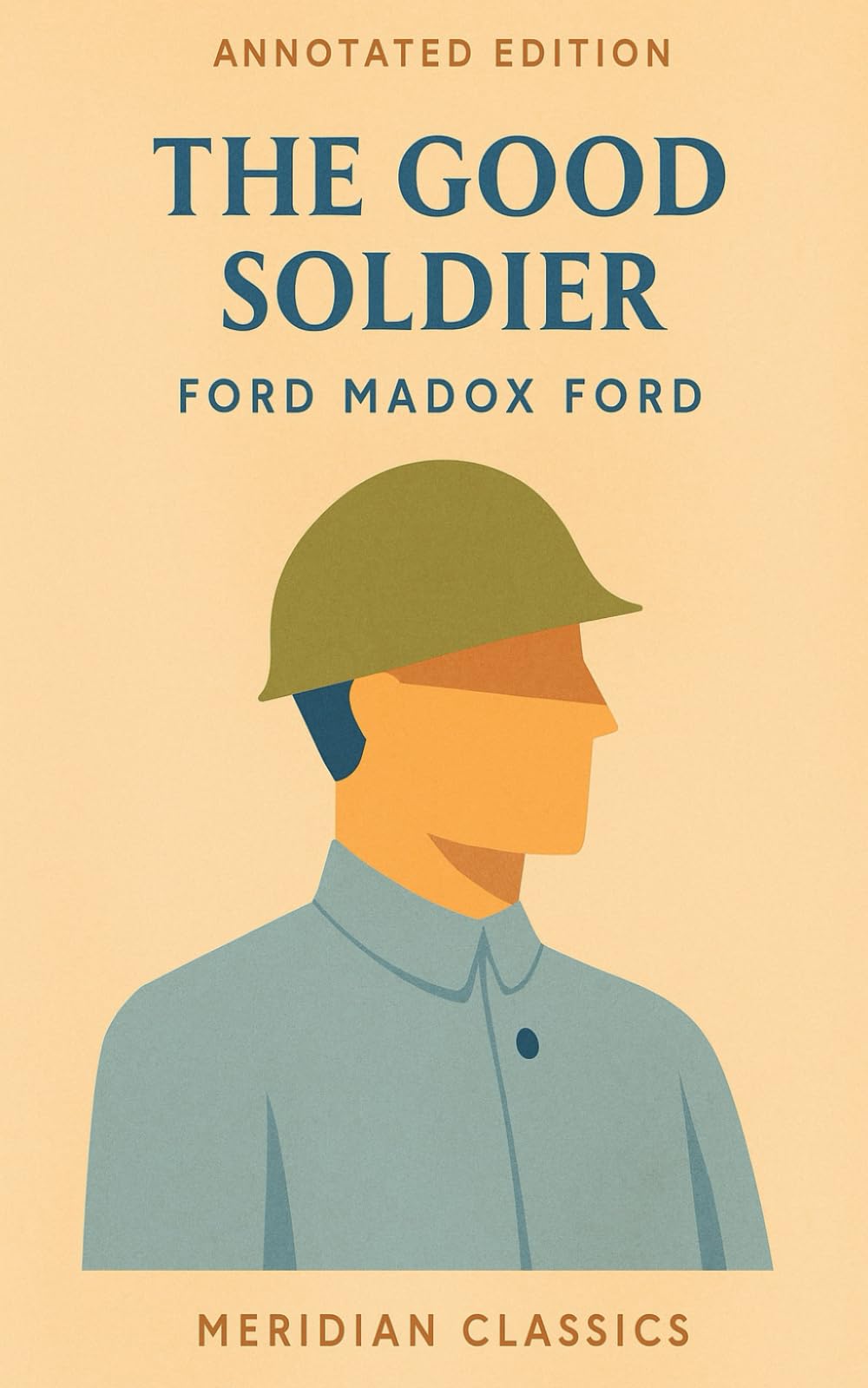



This annotated edition of The Good Soldier includes: Explanations of historical context - Literary comments and analyses Enter the deceptive world of Edwardian society through narrator John Dowell's gradual revelation of adultery, deception, and moral corruption hidden beneath the surface of respectable marriage and social propriety. Ford creates a masterpiece of unreliable narration as Dowell's naive interpretations slowly give way to devastating truth about his wife's infidelity and his friend's duplicity, revealing how self-deception can protect individuals from unbearable reality. The novel's exploration of marriage, friendship, and social convention provides sharp criticism of bourgeois values while demonstrating how the pursuit of propriety and social acceptance can mask profound moral emptiness and emotional dishonesty. The story's examination of English and American cultural differences through the relationships between the Dowells and Ashburnhams reveals how different national characters approach questions of honor, duty, and personal responsibility. The famous opening line about this being "the saddest story" establishes the tone for a narrative that systematically destroys romantic illusions about love, friendship, and moral certainty while maintaining sympathy for characters trapped by social expectations and personal weaknesses. Ford's technique of time-shifting and gradual revelation creates complex narrative structure that mirrors the protagonist's slow understanding while demonstrating how memory and interpretation can shape and reshape experience and meaning. The novel's influence on modernist fiction stems from its innovative narrative technique and psychological realism while its themes about the collapse of traditional values anticipate later literature about social and moral uncertainty. This influential work demonstrates how literary impressionism can reveal psychological truth while challenging readers to examine their own assumptions about reliability, interpretation, and moral judgment. Essential reading for understanding modernist literature and the development of psychological realism that explores the gap between appearance and reality in human relationships and social institutions through sophisticated narrative technique that requires active reader participation in constructing meaning and understanding character motivation.