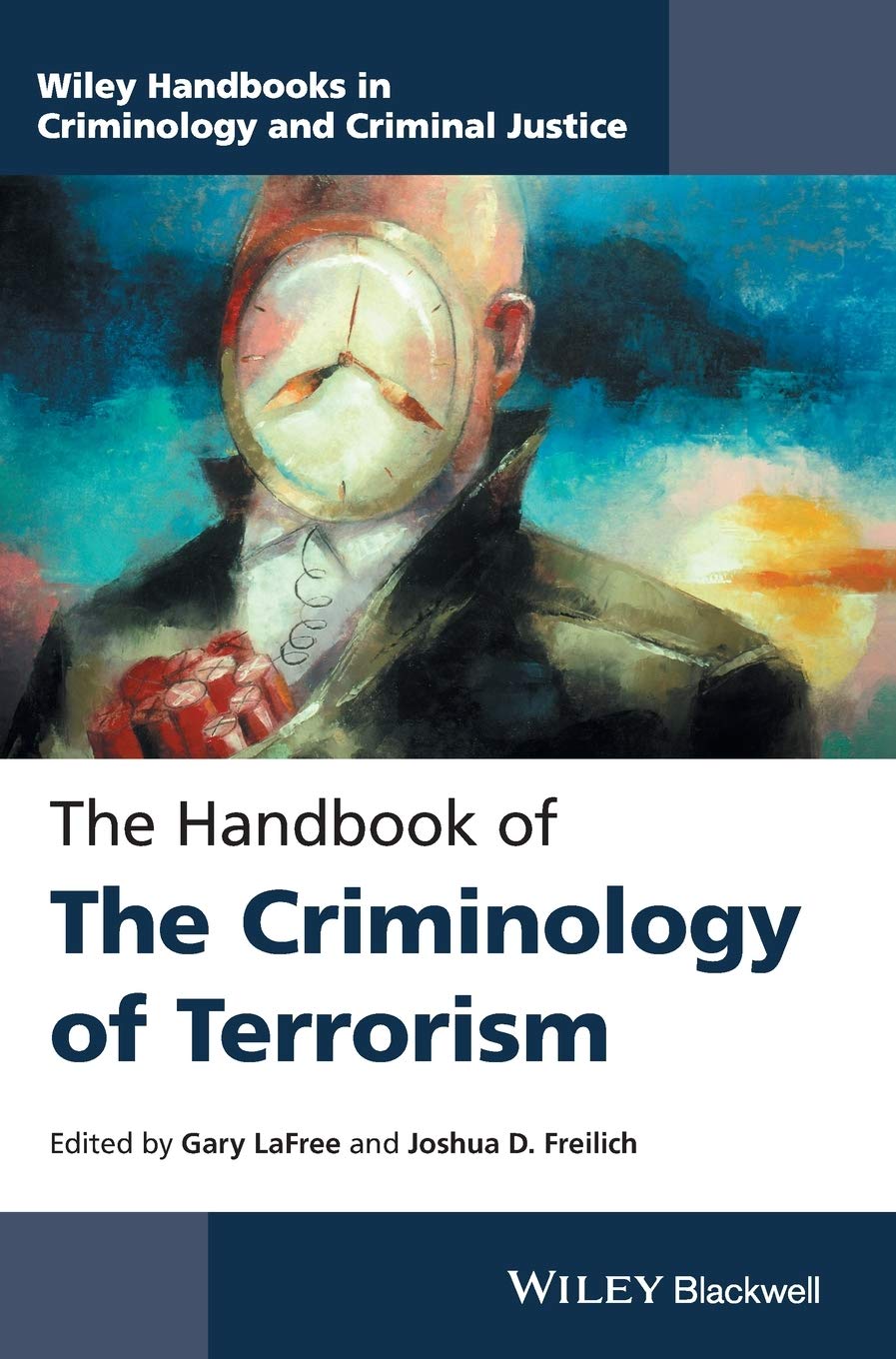
The Handbook of the Criminology of Terrorism (Wiley Handbooks in Criminology and Criminal Justice)
$196.00
by Gary LaFree



The Handbook of the Criminology of Terrorism features a collection of essays that represent the most recent criminological research relating to the origins and evolution of, along with responses to, terrorism, from a criminological perspective. Offers an authoritative overview of the latest criminological research into the causes of and responses to terrorism in today’s world - Covers broad themes that include terrorism’s origins, theories, methodologies, types, relationship to other forms of crime, terrorism and the criminal justice system, ways to counter terrorism, and more - Features original contributions from a group of international experts in the field - Provides unique insights into the field through an exclusive focus on criminological conceptual frameworks and empirical studies that engage terrorism and responses to it While political violence is an age-old phenomenon, the events of 9/11 transformed the meaning of terrorism in the eyes of the West. Always difficult to define, “terrorism” has traditionally been distinguished from other forms of criminal violence due to its motivations and inherent complexities. The Handbook of the Criminology of Terrorism presents a comprehensive overview of the latest criminological research relating to the origins, evolution, causes, and motivations of terrorism—along with the responses to domestic and international terrorist attacks from a criminological perspective. Featuring a collection of original contributions from leading researchers and renowned international experts in the field, essays cover the major themes and controversies related to the causes and consequences of terrorism; terrorism’s origins, terrorism and the criminal justice system, and ways to counter terrorism. Chapters discuss key concepts, reviewing the major conceptual frameworks and the latest empirical findings. The Handbook reveals areas of widespread agreement in the field, debates and controversies, unresolved issues, and suggestions for further research. The Handbook of the Criminology of Terrorism is an invaluable reference for criminologists, providing illuminating insights into terrorism in the 21st-century. While political violence is an age-old phenomenon, the events of 9/11 transformed the meaning of terrorism in the eyes of the West. Always difficult to define, “terrorism” has traditionally been distinguished from other forms of criminal violence due to its motivations and inherent complexities. The Handbook of the Criminology of Terrorism presents a comprehensive overview of the latest criminological research relating to the origins, evolution, causes, and motivations of terrorism―along with the responses to domestic and international terrorist attacks from a criminological perspective. Featuring a collection of original contributions from leading researchers and renowned international experts in the field, essays cover the major themes and controversies related to the causes and consequences of terrorism; terrorism’s origins, terrorism and the criminal justice system, and ways to counter terrorism. Chapters discuss key concepts, reviewing the major conceptual frameworks and the latest empirical findings. The Handbook reveals areas of widespread agreement in the field, debates and controversies, unresolved issues, and suggestions for further research. The Handbook of the Criminology of Terrorism is an invaluable reference for criminologists, providing illuminating insights into terrorism in the 21st-century. Gary LaFree is Director of the National Consortium for the Study of Terrorism and Responses to Terrorism (START) and a Distinguished Scholar and Professor of Criminology and Criminal Justice at the University of Maryland. His most recent book (with Laura Dugan and Erin Miller) is Putting Terrorism in Context (2015). Joshua D. Freilich is a member of the Criminal Justice Department and the Criminal Justice PhD Program at John Jay College. He is the Creator and co-Director of the United States Extremist Crime Database (ECDB), an open source relational database of violent and financial crimes committed by political extremists in the U.S.