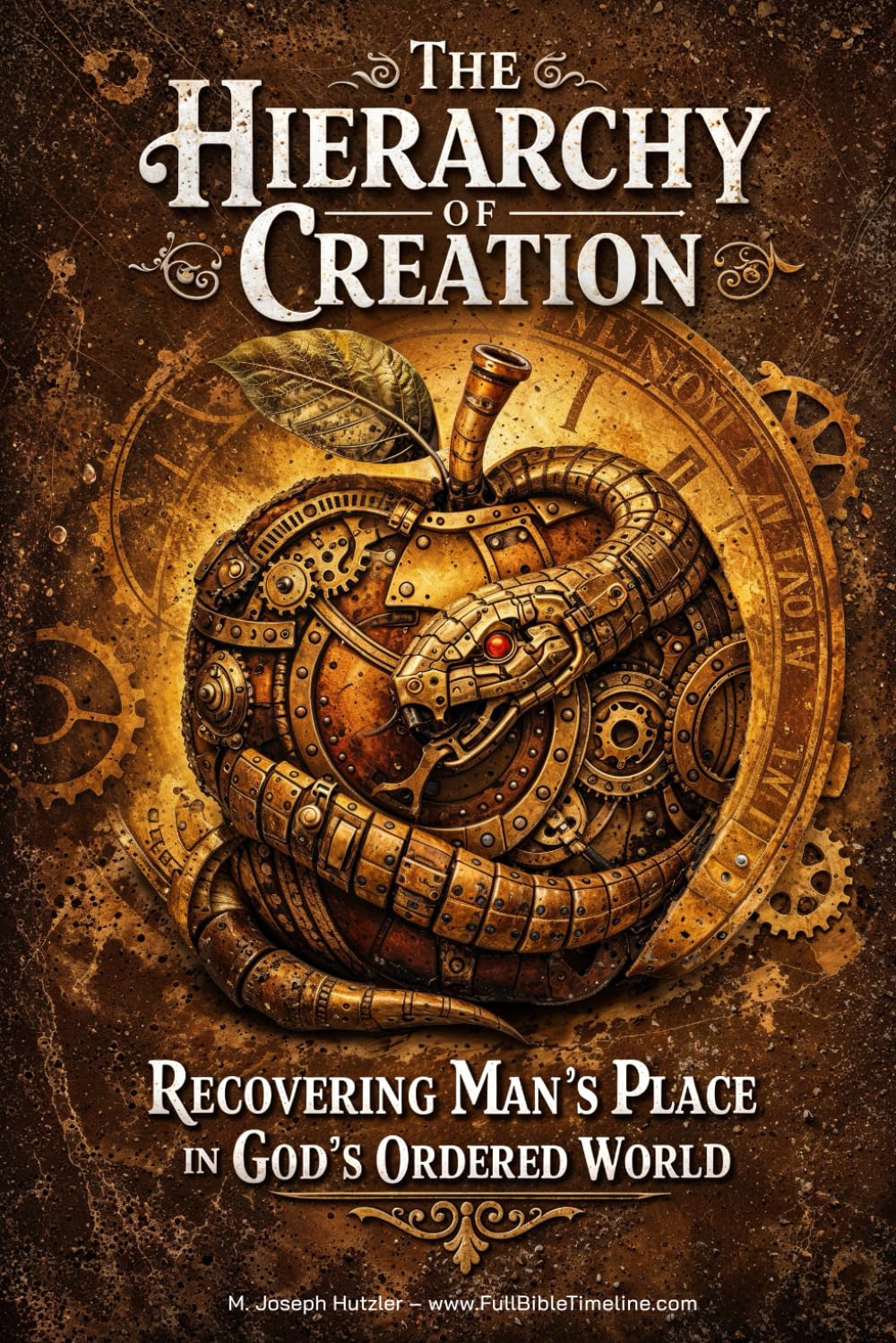



Hierarchy of Creation is not a book about demons, angels, or speculative mysticism. It is a book about order —and what happens when that order is misunderstood. Modern theology often treats the unseen realm as either a horror story or a metaphor. Scripture does neither. From Genesis to Revelation, the Bible assumes a structured universe governed by rank, authority, jurisdiction, and presence. Heaven has order. Earth was given stewardship. Even rebellion did not erase hierarchy—it distorted it. This book explores a difficult but necessary idea: hierarchies are retained even through catastrophe. Angels fell—but structure remained. Authority was usurped—but not abolished. Judgment came—but order preceded it. By tracing biblical patterns of dominion, delegation, covenant, and presence, Hierarchy of Creation dismantles popular misconceptions: • That Satan “rules” hell as a king • That rebellion destroys rank • That spiritual authority equals moral approval • That hierarchy is inherently oppressive rather than functional • That the unseen realm operates chaotically rather than legally Drawing from Scripture, Second Temple thought, early Christian theology, and careful narrative reasoning, the book shows that authority flows from proximity to presence , not from power alone. It explains why Satan can function as an administrator without reigning as a sovereign, why hell is not a battlefield but a prison, and why judgment does not imply chaos but finality. Rather than sensationalism, this work offers clarity. Rather than fear, it restores proportion. Rather than speculation, it follows the logic Scripture itself assumes but rarely pauses to explain. Written in narrative prose with dry wit and theological restraint, Hierarchy of Creation is designed for readers who want depth without mysticism, structure without reductionism, and biblical theology that treats the unseen world as ordered, intelligible, and accountable. This is not a book about elevating darkness. It is a book about placing everything—seen and unseen—back into its proper place.