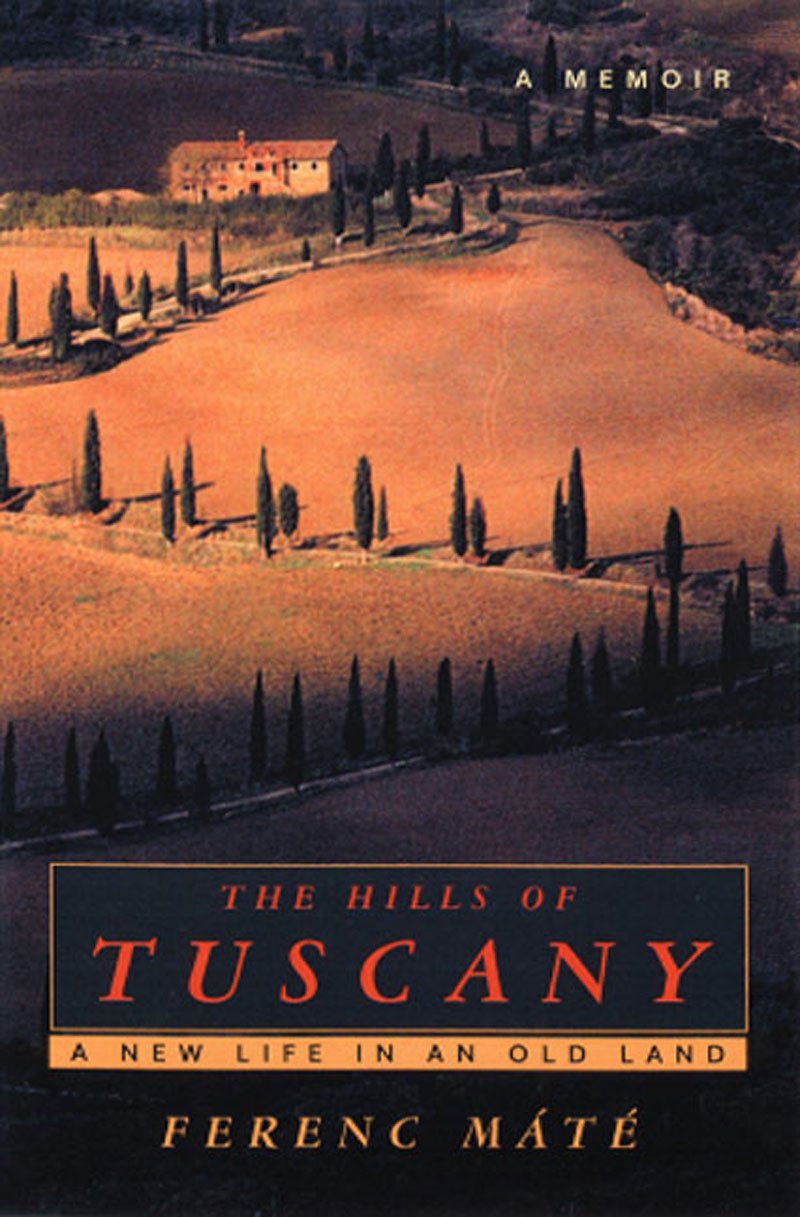



As seductive as A Year in Provence and Under the Tuscan Sun , but with the wit and charm of a 1930s romantic comedy, the true-life adventure of a couple who chucked New York for a new life in Tuscany. The Máté's arrived in Tuscany in the late 1980s knowing no Italian and with only four weeks to search for the country house of their dreams. On their last night there, after having been chased by wild boars and befriended by a country realtor who also sells pigs and coffins, they finally concluded the deal on the hood of a rusting tractor with the lawyer speaking Italian and them responding in French, English, and Hungarian, in a Tower of Babel version of "Who's on First?" So begins Ferenc Máté's endearing, in-love-with-life memoir of their first five years in Tuscany, by turns buoyant, reflective, and laugh-out-loud hilarious. His engaging, often poetic prose describes the way of life they were looking for and found-where neighbors, community, home, and, most of all, children, form the focal point of daily life. They live in a small thirteenth-century monastery, surrounded by their vineyards and olive groves, in the spectacular hills near Siena, a few miles from where The English Patient was filmed. The Hills of Tuscany --steeped in mesmerizing scenery and wonderful medieval towns, full of unforgettably delightful characters and spectacular food and wine-nourishes body, mind, and soul. If you're not passionately in love with life at the moment, you'll be hopelessly so by the time you turn the last page. Illustrated A sensuous valentine to author Ferenc Máté's adopted homeland, The Hills of Tuscany brims with lush descriptions of golden dales, scrumptious meals, rich wines, and friendly natives. After years of nomadic roaming from Central America to Canada, Máté (a writer) and his wife, Candace (a painter), visit Tuscany and impulsively decide that this is where they will settle down. A year later they return and begin the hunt for their dream house. As the likeable Mátés (they're funny and suitably grateful for the chance to live in one of the world's garden spots) troll the countryside with a series of colorful Tuscan middlemen, it's impossible not to become emotionally involved in their quest. And when they finally discover the perfect abode-- La Marinaia , a tastefully renovated stone farmhouse set amid scenery that Ferenc describes as "like being in the middle of a painting"--you're thrilled right along with them. Subsequent chapters follow the Mátés' growing friendship with their neighbors, who not only help rototill the garden but also reveal where to find porcini mushrooms and truffles in the nearby woods. All in all, reading The Hills of Tuscany is the next best thing to quitting your job, climbing on a plane, and finding your own Tuscan dream house. --Rebecca Gleason Tuscany is that magical area of Italy that seems to lie outside the modern world's automation, alienation, and hectic pursuit of wealth. It so enchanted Mate (A Reasonable Life, Norton, 1993) and his wife that they left New York, traveled to Italy, took a month's rental, and searched for their dream house amid the Tuscan hills and olive groves. After much looking, they found the perfect house and signed in the dust on an old tractor. All was negotiated in a mix of languages, the Mates knowing little Italian. Mate describes an idyllic life of grape picking, mushroom hunting, woodcutting, and neighborhood camaraderie. This memoir is more introspective and less food-focused than Frances Mayes's popular Under the Tuscan Sun (LJ 9/1/96), although no account of life in Tuscany can ignore food. Mate writes with a convincing enthusiasm, especially for the warmth of the people and the simplicity of his new life.?Nancy R. Ives, SUNY at Geneseo Copyright 1998 Reed Business Information, Inc. This volume takes the author (A Reasonable Life, 1993) and his artist wife into the sensuous heart of Italy and urges them to stay against the comic and idiosyncratic odds that Mat calls the Italian way of life. Tourists in search of a break from the pressured rituals of New York, the Mats alight upon the area around Montepulciano, begin house-hunting in earnest, and fall upon a sort of paradise that they turn into home at last. All of this is superimposed against the backdrop of Tuscan seasons, rituals, and rustic anecdoteswhich are far more interesting than any of the authors reflections upon them. Mat never crosses that great cultural divide that hangs like a mist between traveler and native, keeping his real subject (Tuscany? himself?) forever at bay... Blissful about his marriage, rapturous about food and wine, Mat spends considerable time describing the sounds of bells tolling in the valleys after lunch, the fluttering of linen, and the aroma of chestnuts heating on a grill. But in the end, his recollections of everything else are little more than hot-air balloons tethered to nothing in particular. Lunches launch and cap the authors foray int