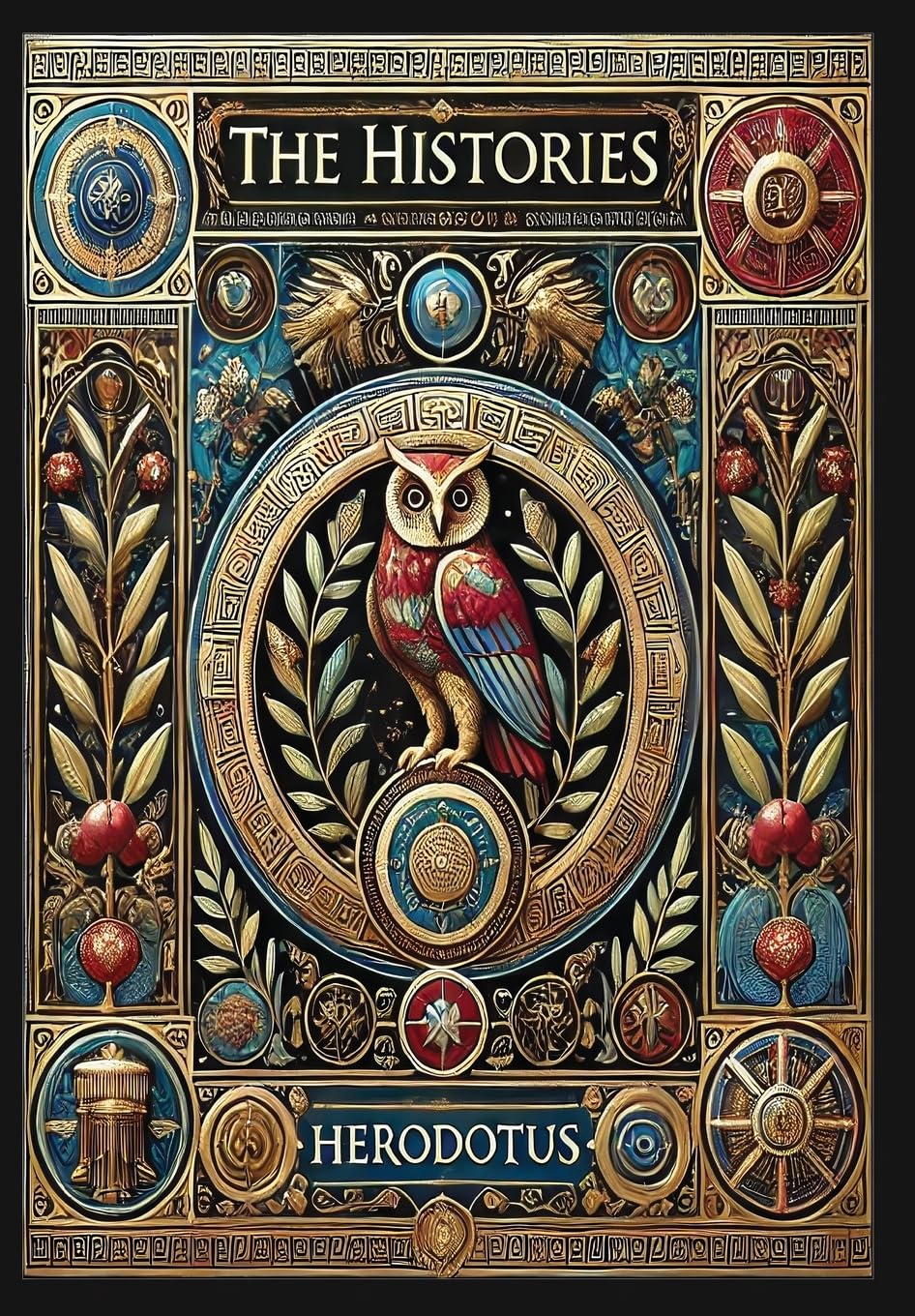



Collector's Edition Laminated Hardback with Jacket Through a vivid tapestry of stories, myths, and firsthand accounts, this sweeping narrative explores the rise and fall of empires, the clash of cultures, and the enduring quest for knowledge in the ancient world. From the grandeur of the Persian Empire to the cunning of Greek city-states, the work delves into the human motivations behind wars, alliances, and betrayals. Rich in detail, it captures not only historical events but also the customs, beliefs, and eccentricities of diverse peoples. Herodotus masterfully weaves fact and legend, creating a timeless exploration of the complexities of human nature and the forces that shape history. Often called the "Father of History," Herodotus crafted The Histories as the first comprehensive narrative of human events, blending storytelling with inquiry. His work pioneered the study of history by exploring not just what happened but why, offering insights into the causes of wars and the nature of cultures. Through its vivid accounts of the Greco-Persian Wars and rich descriptions of ancient societies, it remains a cornerstone of historical thought. Herodotus' curiosity and method laid the foundation for understanding history as a dynamic interplay of human actions and larger forces. Herodotus, born around 484 BC in Halicarnassus, a Greek city under Persian rule, is often hailed as the "Father of History." His extensive travels across regions such as Egypt, Asia Minor, and parts of Greece enriched his understanding of diverse cultures and historical events. These experiences culminated in his seminal work, The Histories, which offers a detailed account of the Greco-Persian Wars and insights into various ancient societies.In The Histories, Herodotus not only chronicles military conflicts but also delves into the customs, geography, and myths of the peoples he encountered. His narrative method combined systematic investigation with storytelling, laying the groundwork for historical writing in Western literature. Despite facing criticism from contemporaries like Thucydides, who accused him of embellishing facts, Herodotus maintained that he faithfully reported what he observed and was told.Later in life, Herodotus migrated to Thurii, a colony in southern Italy, where he continued his scholarly pursuits. His exact date of death remains uncertain, but it is generally believed he passed away around 425 BC. Herodotus's legacy endures through The Histories, which remains a vital source for understanding the ancient world and the early practice of recording history.