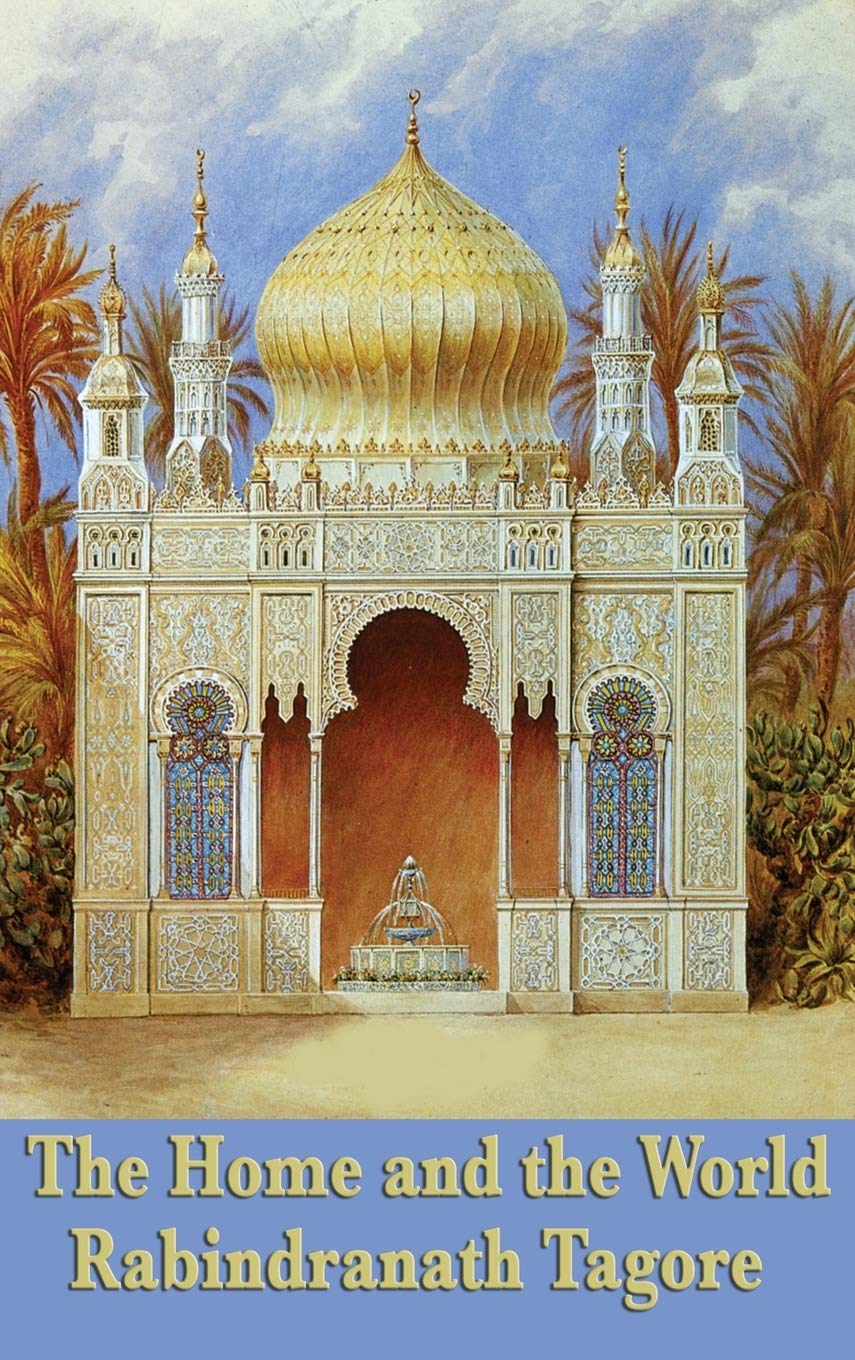
The Home and the World: A Novel of Love, Politics, and the Birth of Modern India
$19.99
by Rabindranath Tagore



The Home and the World is Rabindranath Tagore's powerful novel exploring love, nationalism, and moral conflict in early twentieth-century India. Written during a period of intense political change, the novel examines the emotional and ethical tensions created by the rising movement for Indian independence. The story unfolds through the perspectives of three central characters: Nikhil, a thoughtful and principled landowner; his wife Bimala, who is drawn beyond the quiet world of the household; and Sandip, a charismatic nationalist leader whose passionate political ideals carry both inspiration and danger. As Bimala becomes increasingly involved in the nationalist cause, the relationships among the three characters grow more complicated, revealing the difficult balance between personal loyalty, political conviction, and moral responsibility. Tagore's novel offers a nuanced reflection on the meaning of patriotism, the role of women in society, and the dangers of political extremism. Combining psychological insight with philosophical depth, The Home and the World remains one of the most significant works of modern Indian literature and a profound exploration of the conflict between private life and public ideals. Rabindranath Tagore (1861-1941) was a Bengali poet, novelist, philosopher, composer, and educator whose work reshaped modern Indian literature and culture. In 1913 he became the first non-European writer to receive the Nobel Prize in Literature for his poetry collection Gitanjali. Tagore wrote extensively in many forms-poetry, fiction, drama, essays, and songs-and his works continue to influence literature, music, and intellectual life around the world.