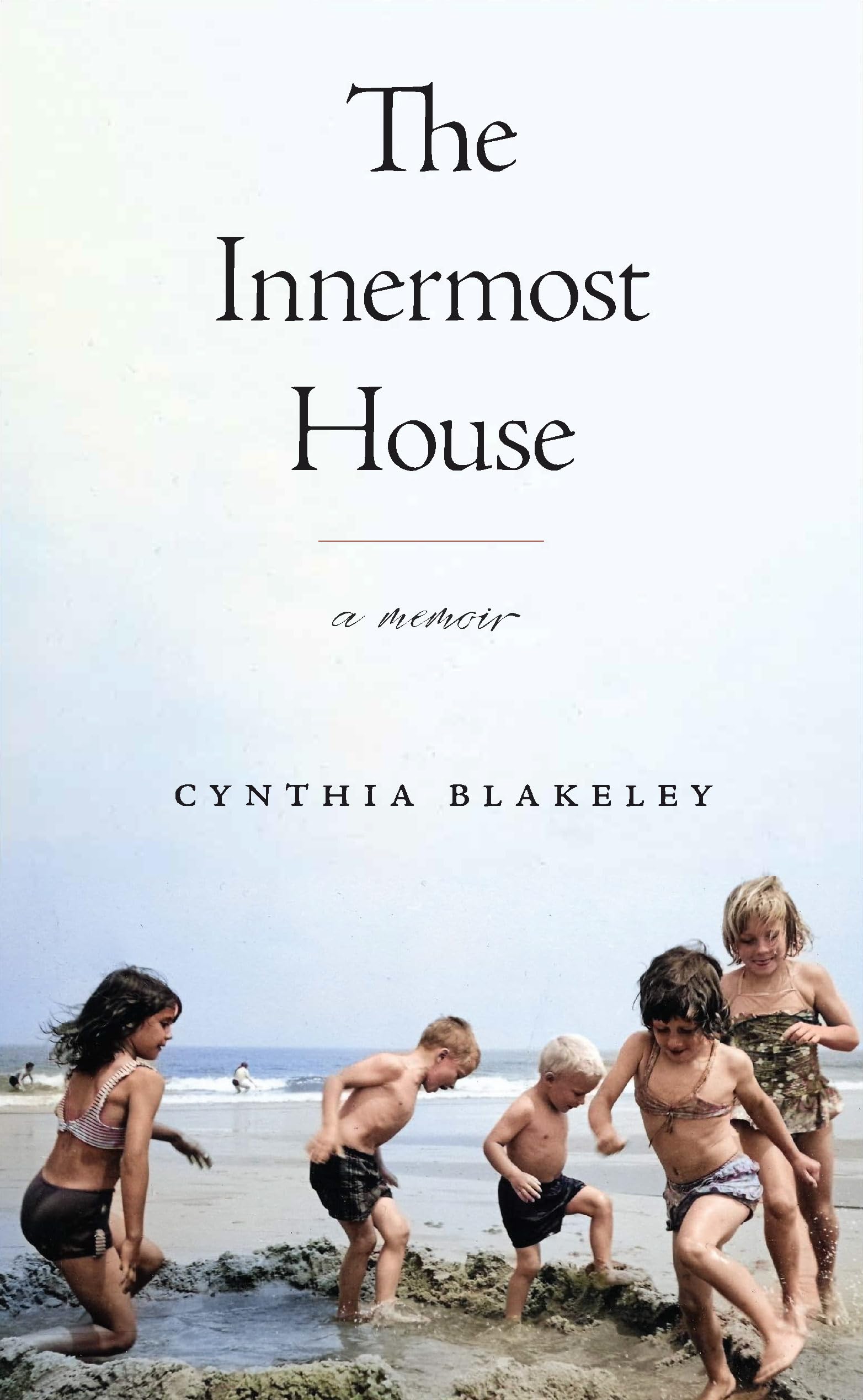



Finalist, 2025 Georgia Author of the Year Award in Memoir A stunning account of year-round life on the windswept shores of Cape Cod, threaded with meditations on memory, forgetting, and identity Raised in a nineteenth-century saltbox house in Wellfleet, Massachusetts, Cynthia Blakeley was both surrounded by generations of immediate and extended family and isolated by the mysteries locked inside her affectionate yet elusive mother and short-fused father. While she and her sisters and cousins roamed the Outer Cape—drinking in the dunes, swimming in kettle ponds, and dancing in Provincetown—Blakeley also turned to the inner world of her journals as she contended with her own secrets and memories. Over-identifying with her unconventional and artistic mother, Blakeley felt certain that the key to understanding her mother’s drinking and distractions, her generosity and easy forgiveness, was the unexplained absence of two of Blakeley’s half-siblings and their connection to her mother’s unhappy first marriage. Blakeley kept her distance, however, from her disciplinarian father. Though he took his daughters sailing and clamming and beachcombing, he was the chill to their mother’s warmth, the maker, not the breaker, of rules. Slipping through these dynamics in that small house and evocative landscape, Blakeley eventually crossed the bridge and left home, only to return later in search of the family stories that would help her decode her present. Blakeley’s captivating memoir moves fluidly through time, grappling with the question of who owns a memory or secret and how our narrative choices not only describe but also shape and change us. In this insightful and poignant account of tenacious year-rounders on Cape Cod, Blakeley contends that making sense of ourselves is a collaborative affair, one that begins with understanding those we came from. “A powerful exploration of how memories take shape or slip from consciousness and how the things we remember or choose to forget shape our sense of self.”— Katy Abel , The Provincetown Independent “Enthralling. . . . Blakeley is an evocative writer who captures the lush beauty of a 'half feral' childhood spent immersed in the natural world while never losing sight of the precarity and violence that permeated it.”— Nina Semczuk , Shelf Awareness “Salt air and the limits of memory animate this heartrending debut. . . . Readers will be captivated.”— Publishers Weekly “Brimming with personal and historical details, The Innermost House is a distinctive memoir with a keen sense of place and renewal.”— Foreword Reviews “In this candid, emotionally nuanced, and meticulously researched memoir about growing up poor on the wind-swept shores of Cape Cod, Cynthia Blakeley brings both an academic’s intellectual rigor and a seeker’s openness to the interrogation of her family’s complicated and fragmented history, full of secrets and traumas. The Innermost House is a stunning book that will make you reassess everything you thought you knew about remembering, forgetting, and storytelling.”— Adrienne Brodeur , author of Wild Game: My Mother, Her Lover, and Me “In The Innermost House , a powerful and moving meditation on the nature of memory and forgetting, and the effects of trauma on narrative selfmaking, Cynthia Blakeley confronts her personal history and family secrets with unflinching clarity and wisdom. This is a writer’s unrelenting quest to understand what makes a self in relation to the knowable and unknowable past. This is the great seduction, of course , Blakeley writes, wisely troubling the journey: trying to establish lines of cause and effect so we can better know and understand ourselves . In finely wrought prose, she elegantly demonstrates the way that in the act of writing—of remembering—lies the possibility for transformation, for mapping one’s future, and offers readers a guide to finding a pathway into our own innermost houses. This is a book I will cherish and return to again and again.”— Natasha Trethewey , nineteenth US Poet Laureate, Pulitzer Prize-winning poet, and author of the memoirs Memorial Drive and House of Being “ The Innermost House is a clear-eyed attempt to find order and meaning in a childhood lived fifty years ago in a small town by the ocean. Cynthia Blakeley shared a house with a charismatic, eccentric, and devoted but troubled mother and the questionable men she attracted. Her book is an account of the ways in which memory operates and her effort to find a standpoint among the unspoken emotional assaults that adults practice on children.”— Alec Wilkinson , author of A Divine Language: Learning Algebra, Geometry, and Calculus at the Edge of Old Age “Anyone interested in memoir as a literary genre should read The Innermost House . This is not just a memoir but a meta-memoir, an examination of what memoir-making is about, how life story and identity are interwoven, and how memory, that slippery devil, shapes an