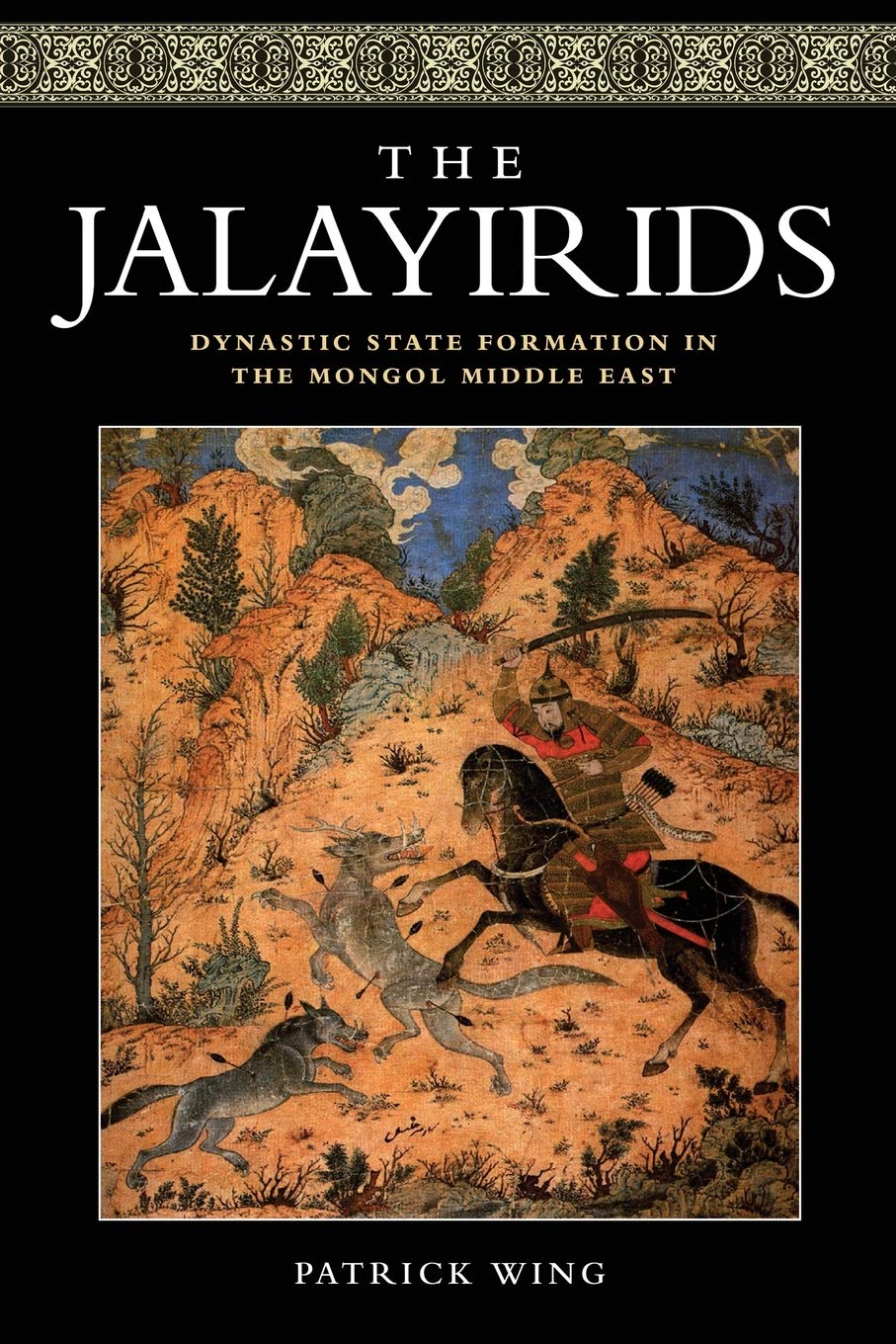



This book traces the origins, history, and memory of the Jalayirid dynasty, a family that succeeded the Mongol Ilkhans in Iran and Iraq in the 14th and early 15th centuries. The story of how the Jalayirids came to power is illustrative of the political dynamics that shaped much of the Mongol and post-Mongol period in the Middle East. The Jalayirid sultans sought to preserve the social and political order of the Ilkhanate, while claiming that they were the rightful heirs to the rulership of that order. Central to the Jalayirids’ claims to the legacy of the Ilkhanate was their attempt to control the Ilkhanid heartland of Azarbayjan and its major city, Tabriz. Control of Azarbayjan meant control of a network of long-distance trade between China and the Latin West, which continued to be a source of economic prosperity through the 8th/14th century. Azarbayjan also represented the center of Ilkhanid court life, whether in the migration of the mobile court-camp of the ruler, or in the complexes of palatial, religious and civic buildings constructed around the city of Tabriz by members of the Ilkhanid royal family, as well as by members of the military and administrative elite. The book provides an admirably clear narrative of major political developments, all the more admirable because Wing has had to do so much of the groundwork in building this narrative from a range of sources in different languages and genres...[the volume]will be the indispensable starting point for future research. -- Harry Munt, University of York ― AL-MASĀQ This book is the first significant study in English of one of the major powers in Iran and Anatolia during the decades following the collapse of Mongol rule there after 1335. It sheds a flood of light not only on that, but on many aspects of the earlier period of Mongol rule. ― David Morgan, University of Wisconsin-Madison The Jalayirids makes a significant contribution to the historiography of the Mongol-Timurid period. Moreover, the chronologically ordered chapters make it easy for the reader to follow the narrative of the Jalayirid dynasty’s rise and fall, which is no mean feat considering the complexity of the post-Ilkhanid political landscape of Iran. Yet Wing does not sacrifice any academic rigour to make his book more accessible and his monograph will no doubt be useful for specialists as well as graduate students interested in this chapter of Eurasian history. -- Michael Hope, Yonsei University ― Mongolian Studies; The Journal of the Mongolia Society This book is the first significant study in English of one of the major powers in Iran and Anatolia during the decades following the collapse of Mongol rule there after 1335. It sheds a flood of light not only on that, but on many aspects of the earlier period of Mongol rule. -- David Morgan, University of Wisconsin-Madison The story of how one tribal family claimed the legacy of Chiggis Qan in Persia ‘This book is the first significant study in English of one of the major powers in Iran and Anatolia during the decades following the collapse of Mongol rule there after 1335. It sheds a flood of light not only on that, but on many aspects of the earlier period of Mongol rule.’David Morgan, University of Wisconsin-MadisonThe story of how one tribal family claimed the legacy of Chinggis Qan in PersiaThe period of Middle Eastern history between the collapse of the Mongol Ilkhanate in 1335 and the rise of Timur (Tamerlane) at the end of the fourteenth century is commonly seen as a tumultuous time of political breakdown and disorder. This book helps to make sense of this confusing period by tracing the origins, history and memory of the Jalayirid dynasty, a family that succeeded the Mongol Ilkhans in Iran and Iraq in the fourteenth and early fifteenth centuries and claimed to be the rightful heirs of the Chinggisid Mongols. The story of how the Jalayirids came to power is illustrative of the political dynamics that shaped much of the Mongol and post-Mongol period in the Middle East.Key Features•Shows how the Jalayirid sultans sought to preserve the social and political order of the Ilkhanate while claiming they were the rightful heirs to its rulership•Considers the importance of controlling Azarbayjan and its major city Tabriz for the success of the Jalayirid dynasty•Examines the relationship between tribal and dynastic identity among the post-Mongol rulers in Iran, Iraq and Anatolia•Includes maps and a genealogy of the Jalayirid DynastyPatrick Wing is Assistant Professor of History at the University of Redlands. His research focuses on the history of the Middle East in the period of the Mongols and their successors. Patrick Wing is Assistant Professor of History at the University of Redlands. His research focuses on the history of the Middle East in the period of the Mongols and their successors.