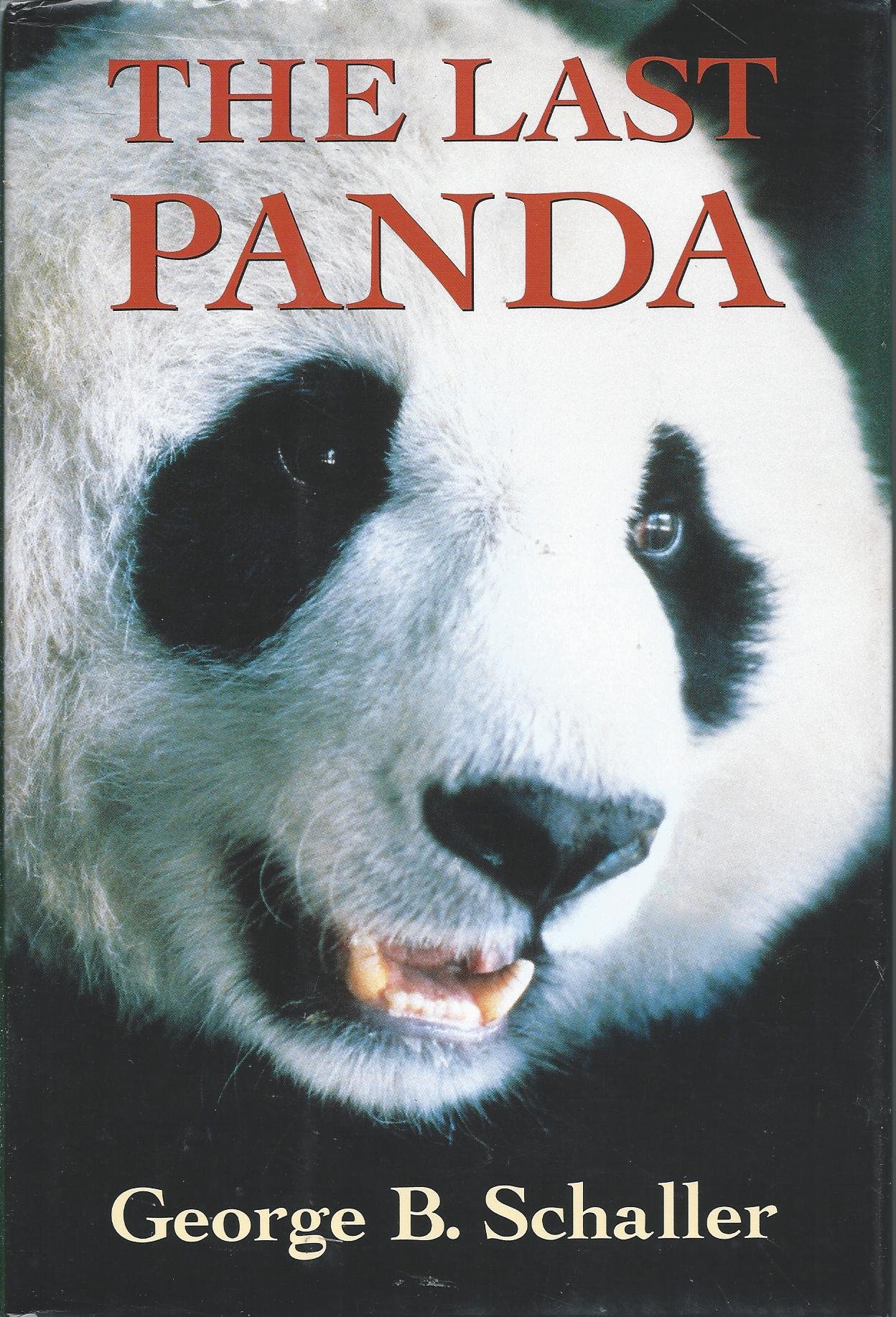



Dependent on a shrinking supply of bamboo, hunted mercilessly for its pelt, and hostage to profiteering schemes once in captivity, the panda is on the brink of extinction. Here, acclaimed naturalist George Schaller uses his great evocative powers, and the insight gained by four and a half years in the forests of the Wolong and Tangjiahe panda reserves, to document the plight of these mysterious creatures and to awaken the human compassion urgently needed to save them. "No scientist is better at letting the rest of us in on just how the natural world works; no poet sees the world with greater clarity or writes about it with more grace. . . . Anyone who genuinely cares for wildlife cannot help being grateful to Schaller—both for his efforts to understand the panda and for the candor with which he reports what has gone so badly wrong in the struggle to save it from extinction."—Geoffrey C. Ward, New York Times Book Review "Schaller's book is a unique mix of natural history and the politics of conservation, and it makes for compelling reading. . . . Having been in giant panda country myself, I found some of the descriptions of the animals and habitats breathtaking. Schaller describes the daily routines and personalities of the giant pandas he studied (as well as their fates thereafter) as though they were his blood relatives. . . . Schaller's brilliant presentation of the complexities of conservation makes his book a milestone for the conservation movement."—Devra G. Kleiman, Washington Post Book World "George Schaller's most soulful work, written in journal style with many asides about a creature who evolved only two to three million years ago (about the same time as humans). . . . Here, conservation biology confronts an evil that grinds against hope and shatters the planet's diversity. Written with hope."— Whole Earth Catalog "A nicely crafted blend of wildlife observation and political-cultural analysis. . . . The Last Panda is a sad chronicle of our failure, so far, to stem the decline of the animal that may be the most beloved on the planet."—Donald Dale Jackson, Smithsonian In this book, Schaller, the author of The Giant Pandas of Wolong ( LJ 6/1/85) and many popular accounts of his field research on such animals as lions and gorillas, describes a World Wildlife Fund-sponsored study of the giant panda, carried out in cooperation with Chinese scientists throughout the 1980s. As the title suggests, the panda faces the same problems as beloved but endangered animals everywhere: loss of habitat, poaching, ready markets for pelts as status symbols, breeding problems and "rent a panda" policies in zoos, and indifferent bureaucrats at every level. An unusual aspect of the panda problem is the periodic die-off of bamboo, the animal's main diet; Schaller describes the worldwide confusion and concern about pandas caused by the flowering of bamboo in the mid-1980s. Americans are still crazy about pandas, as the dismay over the recent death of Ling-Ling at Washington's National Zoo demonstrates. Schaller's reserved and faintly depressed tone does not make for lively reading, but he has an important story to tell. For most libraries. - Beth Clewis, Prince William, P.L., Va. Copyright 1993 Reed Business Information, Inc. Will the beloved giant panda go the way of the dinosaur and the dodo? The prognosis is uncertain (fewer than one thousand pandas remain in the wild, and a live panda draws over $100,000 on the black market), says wildlife expert Schaller in this popularization of his years of panda fieldwork in China (first described in more scholarly fashion in his The Giant Pandas of Wolong, 1985). As usual, Schaller describes nature with a poet's eye (``the ridge lunged upward like a dragon's spine bristling with fir and birch''). But what sets this apart from his earlier books is its bold political content. As Schaller sees it, both the Chinese government and the World Wildlife Fund, cosponsors of his panda fieldwork, have messed up in their attempts to help the panda. Most of the author's opprobrium falls on Chinese officials, who come across as venal, xenophobic, and in love with red tape. Panda breeding stations in China are dark, cold, and caked with frozen urine and feces; some Chinese scientists abuse the animals instead of studying them. Poaching is an ever-present problem as well. In this oppressive climate, Schaller managed to conduct valuable research into panda daily life, mating, child rearing, and the mystery of why these enormous animals eat only bamboo, so poor in nutrients (``like a person who subsists only on watermelon''). He coos over panda droppings (``carefully I passed the fragile treasure to Sir Peter''), measures the length of chewed bamboo stems, and wonders at the panda's solitary ways, all the while fretting over the paranoia rampant in the research camp--a holdover, he believes, from the horrors of the Cultural Revolution. Not that the West is blameless: Schaller denounc