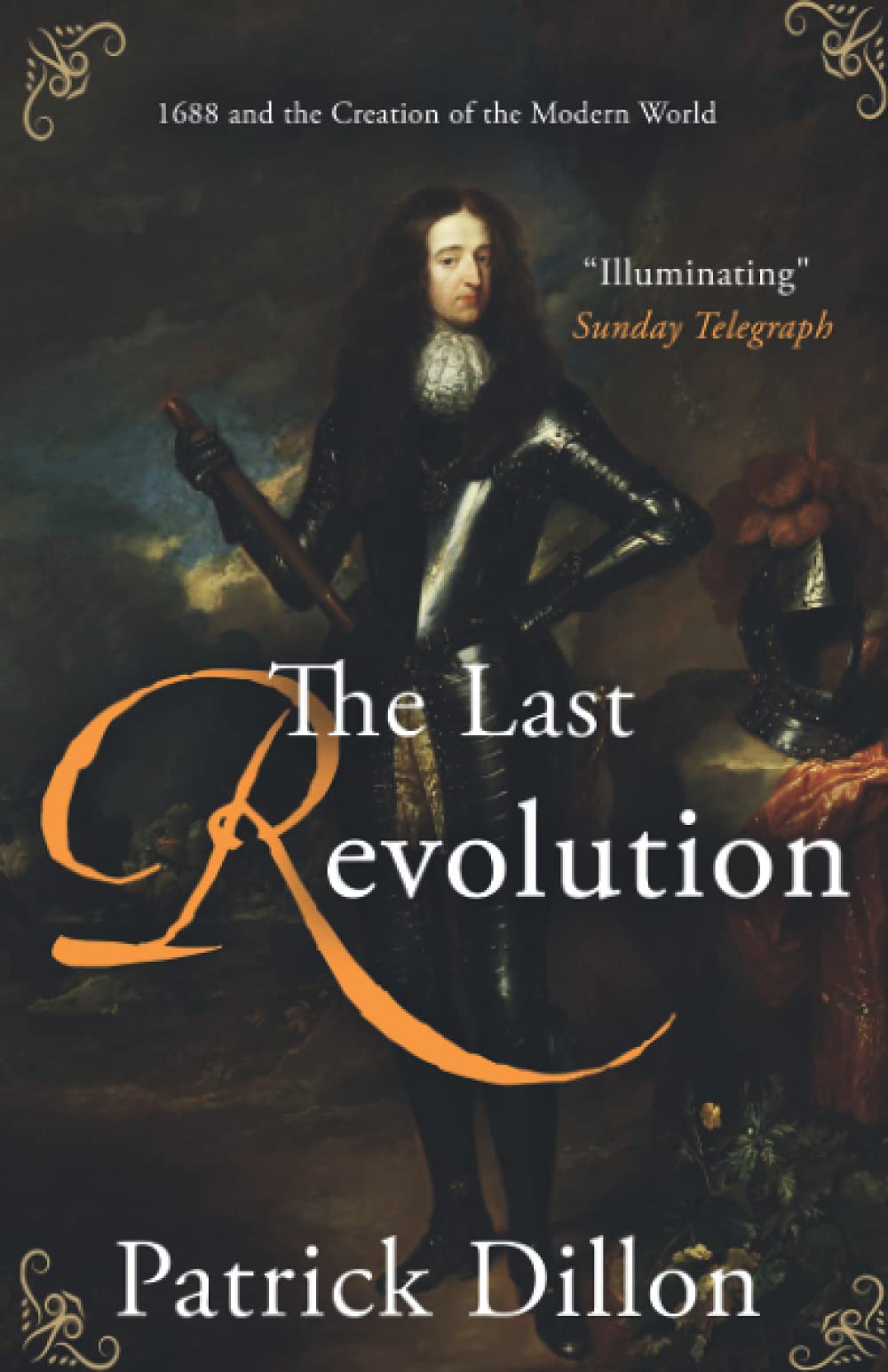



The last successful invasion of England; mobs burning Catholic chapels; one king, James, driven from his palace by night while another, William, rode in at the head of a foreign army – the events of winter 1688 were among some of the most dramatic in British history. The settlement that followed would place England decisively on the path to freedom, tolerance, parliamentary democracy – and empire. Few moments have done so much to shape this country as the Glorious Revolution. But 1688 changed England in other ways as well. This was the time of Isaac Newton’s scientific breakthroughs and John Locke’s philosophy. The 1690s saw free-market ideas emerge, the first stock-market boom and bust, the end of press censorship and the arrival of religious toleration. Newspapers were opening. London was becoming a mecca for leisure and conspicuous consumption. In decisive ways, the modern world was formed in these turbulent years. Thoroughly researched, teeming with dramatic incidents and vivid characters, The Last Revolution brings to life the revolutionary world of the late seventeenth century. It offers timely reminders about religious toleration and the political freedoms on which we depend, and, finally, provides a brilliant insight into the emergence of the dynamic, constantly changing world of today. Praise for The Last Revolution : ‘A very enjoyable book. The author brings the times alive with so many tasty contemporary accounts and sources’ - Amazon review 'Enjoyable, well written book that provides a history of the 1688 Revolution… But the most interesting aspect of the book is how the author places the revolution in a wider revolution involving science, rational thought, the arts and finances' - Goodreads review Patrick Dillon is a successful architect, writer and broadcaster who has written several works of fiction and non-fiction. He lives in London with his family.