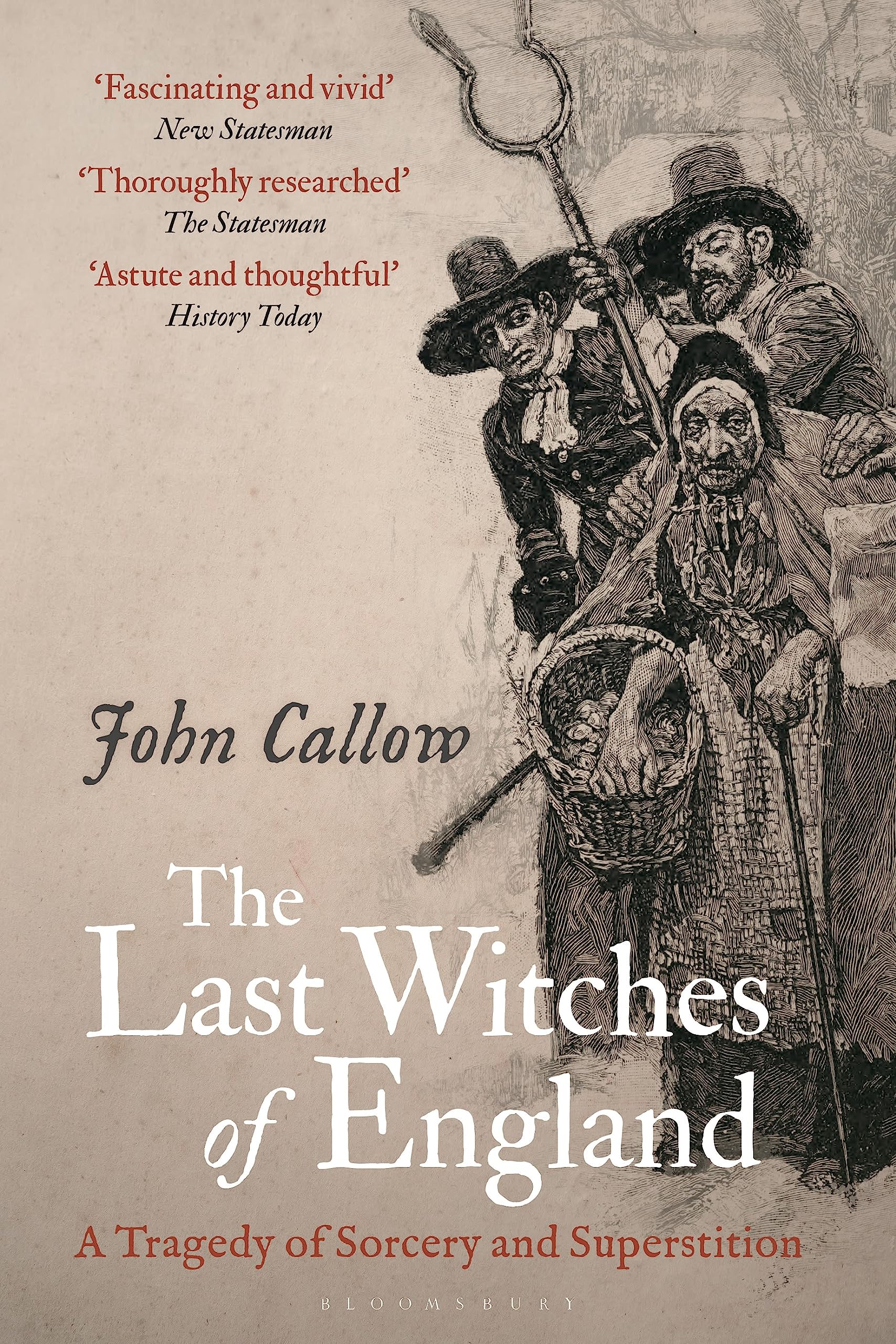



"Fascinating and vivid." New Statesman "Thoroughly researched." The Spectator "Intriguing." BBC History Magazine "Vividly told." BBC History Revealed "A timely warning against persecution." Morning Star "Astute and thoughtful." History Today "An important work." All About History "Well-researched." The Tablet On the morning of Thursday 29 June 1682, a magpie came rasping, rapping and tapping at the window of a prosperous Devon merchant. Frightened by its appearance, his servants and members of his family had, within a matter of hours, convinced themselves that the bird was an emissary of the devil sent by witches to destroy the fabric of their lives. As the result of these allegations, three women of Bideford came to be forever defined as witches. A Secretary of State brushed aside their case and condemned them to the gallows; to hang as the last group of women to be executed in England for the crime. Yet, the hatred of their neighbours endured. For Bideford, it was said, was a place of witches. Though 'pretty much worn away' the belief in witchcraft still lingered on for more than a century after their deaths. In turn, ignored, reviled, and extinguished but never more than half-forgotten, it seems that the memory of these three women - and of their deeds and sufferings, both real and imagined – was transformed from canker to regret, and from regret into celebration in our own age. Indeed, their example was cited during the final Parliamentary debates, in 1951, that saw the last of the witchcraft acts repealed, and their names were chanted, as both inspiration and incantation, by the women beyond the wire at Greenham Common. In this book, John Callow explores this remarkable reversal of fate, and the remarkable tale of the Bideford Witches. “Callow's intriguing book is both a case study of the Bideford witch trail and an examination of how superstition prevailed in a time of increasing rationality… Callow's fascinating and vivid unpicking of the English Salem is also an account of the birth pangs of the modern age.” ―Michael Prodger, New Statesman “Callow examines in detail the surviving evidence of the Bideford case, while also imaginatively reconstructing events to create a convincing picture of how superstition and belief in sorcery lay just beneath the surface of a mercantile society struggling to be born.” ―Nigel Jones, The Spectator “One 17th-century pamphlet about the Bideford trial promised "many Wonderful Things, worth your Reading"; a line that could justifiably be slapped across the cover of [ The Last Witches of England ].” ―Tristram Saunders, The Telegraph Culture “A retelling of a 17th-century witchcraft trial that never loses sight of the women at its heart, nor the social and economic factors that contributed to their plight… There is no plain explanation for the witchcraft accusations of 1682, but then acts of evil never have a simple origin. The Last Witches of England faces that fact and marshals an intriguing story around new research on the case.” ―Marion Gibson, BBC History Magazine “Carrow meticulously explores the haunting tale of the Bideford witches.” ―Suzannah Lipscomb, UnHerd “An elegantly presented, well illustrated and readable book on how class conflict played out through witch hunting… A timely warning against persecution and intolerance.” ― The Morning Star “In The Last Witches of England John Callow painstakingly reconstructs the lines of three beggar women accused of witchcraft in Bideford, Devon in 1632 by trawling administrate records, parish registers and dole lists. It is a remarkable piece of scholarship…astute and thoughtful.” ― History Today “Vividly told, detailed and extremely moving.” ― BBC History Revealed “ The Last Witches of England is an important work of social history that presents valuable insights into the workings of life, death, and belief in a cosmopolitan 17th-century town.” ― All About History “A well-researched and even-handed account of this landmark case, giving pen portraits of all the major players, and providing a comprehensive picture of life in seventeenth-century Britain.” ―Chris Nancollas, The Tablet “[Written] with flair and colour… Excellent local studies such as [this] bring[s] us closer to understanding the reality of witchcraft beliefs and accusations in the early modern English world than we have ever seen before.” ―Ronald Hutton, Fortean Times “I rarely feel deeply moved by academic publications but John Callow's exploration of the 'Bideford Witches' had a profound effect on me… Callow's work invites the reader to bear witness to the persecution of the poor and the marginalised… Callow's work adds considerable weight to a strong moral argument.” ―Julie Ward, Chartist “This riveting read is important albeit uncomfortable. In this book, Callow has allowed readers to look at their shared past unflinchingly so that we may go into a less tragic future.” ―Hilary Wilson, The Folklore