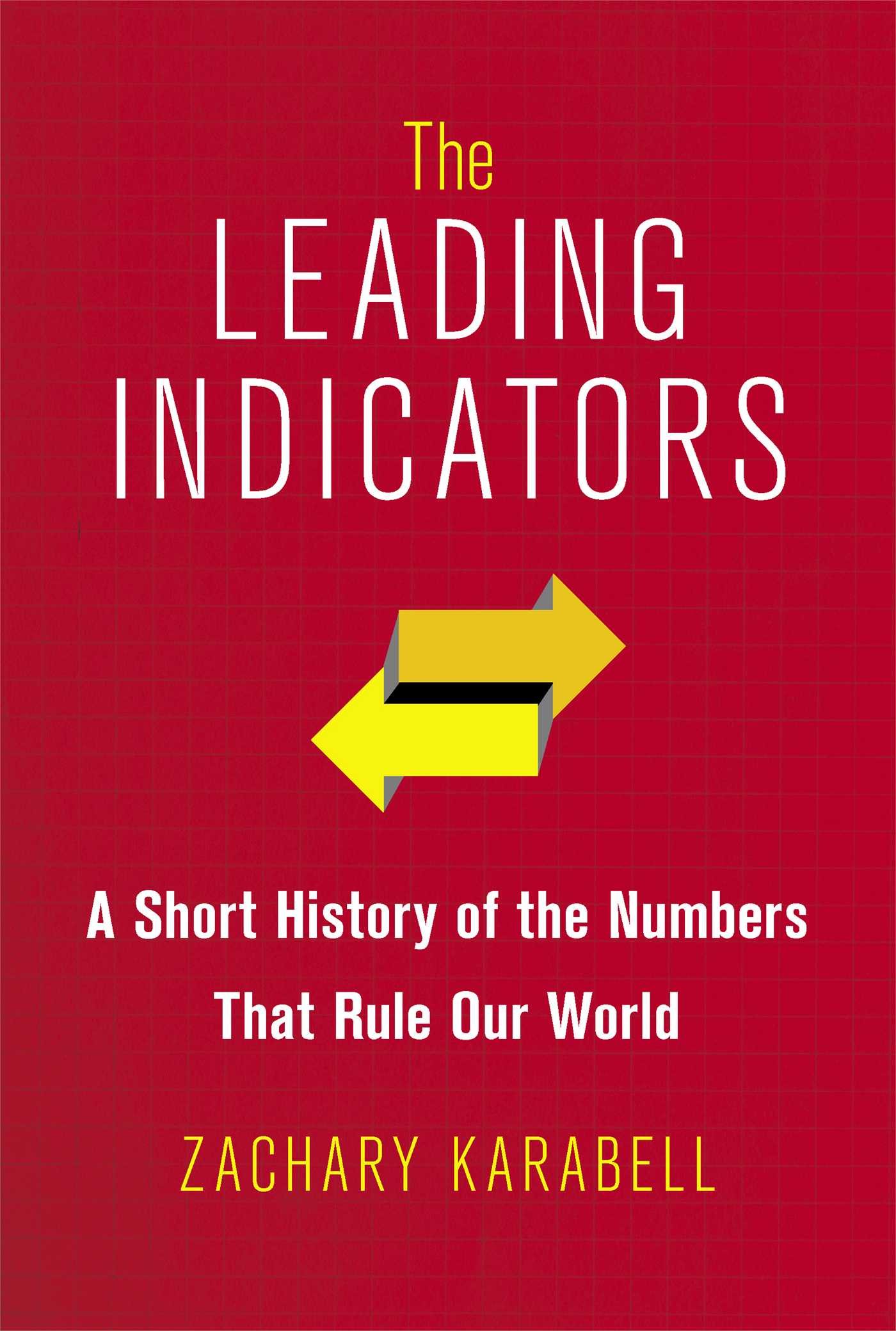
The Leading Indicators: A Short History of the Numbers That Rule Our World
$27.09
by Zachary Karabell



How did we come by the “leading indicators” we place such stock in? We allocate trillions of dollars and make public policy and personal decisions based upon them, but what do they really tell us? We are bombarded every day with numbers that tell us how we are doing, whether the economy is growing or shrinking, whether the future looks bright or dim. Gross national product, balance of trade, unemployment, inflation, and consumer confidence guide our actions, yet few of us know where these numbers come from, what they mean, or why they rule our world. In The Leading Indicators , Zachary Karabell tells the fascinating history of these indicators. They were invented in the mid-twentieth century to address the urgent challenges of the Great Depression, World War II, and the Cold War. They were rough measures— designed to give clarity in a data-parched world that was made up of centralized, industrial nations—yet we still rely on them today. We live in a world shaped by information technology and the borderless flow of capital and goods. When we follow a 1950s road map for a twenty-first-century world, we shouldn’t be surprised if we get lost. What is urgently needed, Karabell makes clear, is not that we invent a new set of numbers but that we tap into the thriving data revolution, which offers unparalleled access to the information we need. Companies should not base their business plans on GDP projections; individuals should not decide whether to buy a home or get a degree based on the national unemployment rate. If you want to buy a home, look for a job, start a company, or run a business, you should find your own indicators. National housing figures don’t matter; local ones do. You can find them at the click of a button. Personal, made-to-order indicators will meet our needs today, and the revolution is well underway. We need only to join it. Karabell traces the history of “leading indicators,” economic statistics including unemployment; inflation; trade; consumer sentiment and spending; the stock market; housing; and Gross Domestic Product (briefly, total market value of all goods and services provided within a country during one year). Leading indicators were designed with limited goals “that describe one reality known as ‘the economy’ but not all reality known as ‘the world we live in.’” In the first half of the twentieth century, leading indicators measured industrial nation-states, while now they measure service-driven developed economies and emerging world industrial economies exporting the goods of multinational companies. Karabell recommends crafting tailored indicators for specific needs using the explosion of information in this era of “Big Data.” Governments should follow the example of the U.S. Federal Reserve in using wide-ranging data and numbers to enhance analysis, many well-run companies develop their own indicators for operational decisions, small businesses need specific indicators for corporate strategy, and individuals using smartphones should access data for creating indicators relating to personal goals. Challenging book. --Mary Whaley “Zachary Karabell’s lively account, The Leading Indicators , is a terrific introduction to the range of statistics economists and governments use to address these questions.” ― The New York Times “Karabell offers an engaging account of the history of these indicators, and his explanation of their flaws is both readable and useful for non-economists trying to make sense of the barrage of numbers with which they're pelted on a regular basis.” ― The Wall Street Journal "[The Leading Indicators] demystifies a lot of current debates, explains its subject matter clearly and shows that the major published macroeconomic statistics are neither nonsense nor conspiracy. Most people could read this book with enjoyment and profit.” -- Tyler Cowen ― The Washington Post “How did we get to the era of Big Data? Karabell…mines little known tidbits in the history of economics to explain how individuals, companies, and countries came to rely on statistics like unemployment, inflation, and gross domestic product to describe the wealth of nations….In Karabell's hands economics is no longer ‘the dismal science.’ More storyteller than analyst here, he succeeds in livening up how ‘the economy’ came to be” ― Publishers Weekly “ The Leading Indicators presents a potentially dry but important topic in an engaging manner, with wit and intelligence.” ― The Cleveland Plain Dealer “[A] lucid measurement of how the United States is faring. . . . Readers of this intelligent introduction to iconic economic indices will agree that Karabell makes an excellent case.” ― Kirkus Reviews “Our understanding of the economy is shaped by the numbers we use to measure it. In this engaging and subversive history, Zachary Karabell tells the story of how the indicators came to rule us, who invented them, what they actually tell us, and why we need to rethink all of them if w