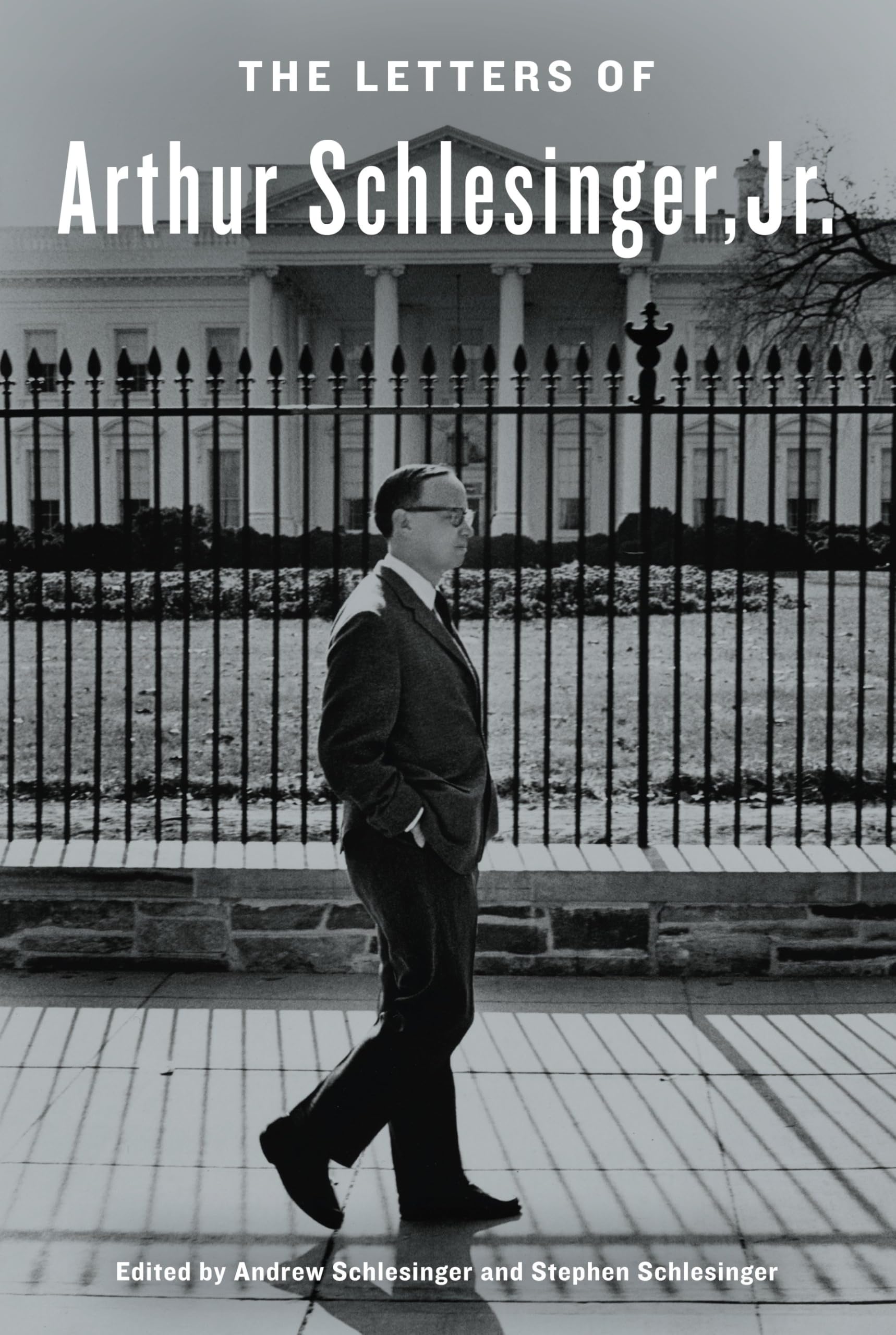



This extraordinary collection gathers the never-before-seen correspondence of a true American original—the acclaimed historian and lion of the liberal establishment, Arthur Schlesinger, Jr. An advisor to presidents, two-time Pulitzer Prize winner, and tireless champion of progressive government, Arthur Schlesinger, Jr., was also an inveterate letter writer. Indeed, the term “man of letters” could easily have been coined for Schlesinger, a faithful and prolific correspondent whose wide range of associates included powerful public officials, notable literary figures, prominent journalists, Hollywood celebrities, and distinguished fellow scholars. The Letters of Arthur Schlesinger, Jr. reveals the late historian’s unvarnished views on the great issues and personalities of his time, from the dawn of the Cold War to the aftermath of September 11. Here is Schlesinger’s correspondence with such icons of American statecraft as Harry Truman, Adlai Stevenson, Hubert Humphrey, Henry Kissinger, Bill Clinton, and, of course, John and Robert Kennedy (including a detailed critique of JFK’s manuscript for Profiles in Courage ). There are letters to friends and confidants such as Eleanor Roosevelt, John Kenneth Galbraith, Gore Vidal, William Styron, and Jacqueline Kennedy (to whom Schlesinger sends his handwritten condolences in the hours after her husband’s assassination), and exchanges with such unlikely pen pals as Groucho Marx, Sammy Davis, Jr., and Bianca Jagger. Finally, there are Schlesinger’s many thoughtful replies to the inquiries of ordinary citizens, in which he offers his observations on influences, issues of the day, and the craft of writing history. Written with the range and insight that made Schlesinger an indispensable figure, these letters reflect the evolution of his thought—and of American liberalism—from the 1940s to the first decade of the new millennium. Whether he is arguing against the merits of preemptive war, advocating for a more forceful policy on civil rights, or simply explaining his preference in neckwear (“For sloppy eaters bow ties are a godsend”), Schlesinger reveals himself as a formidable debater and consummate wit who reveled in rhetorical combat. To a detractor who accuses him of being a Communist sympathizer, he writes: “If your letter was the product of sincere misunderstanding, the facts I have cited should relieve your mind. If not, I can only commend you to the nearest psychiatrist.” Elsewhere, he castigates a future Speaker of the House, John Boehner, for misattributing quotations to Abraham Lincoln. Combining a political strategist’s understanding of the present moment with a historian’s awareness that the eyes of posterity were always watching him, Arthur Schlesinger, Jr., helped shape the course of an era with these letters. This landmark collection frames the remarkable dynamism of the twentieth-century and ensures that Schlesinger’s legacy will continue to influence this one. Praise for The Letters of Arthur Schlesinger, Jr. “Schlesinger’s political intelligence in his correspondence is excellent, the level of discourse and purpose high, the sense of responsibility as keen as the sense of fun. . . . The best letters—and there are many—come from the typewriter of the public Schlesinger, the fighting liberal, especially when he’s jousting with a provocative antagonist.” —George Packer, The New York Times Book Review “Arthur Schlesinger’s letters are full of personal, political, and historical insights into the tumultuous events and enormous personalities that dominated the mid-twentieth century.” —President Bill Clinton Influential historian and ardent liberal Democrat, Arthur Schlesinger Jr. wrote about 35,000 letters in his lifetime. Seemingly a representative selection, this gleaning from that trove reveals his circle of correspondents, which included intellectuals, Democratic Party politicians, and journalists. Reading Schlesinger’s missives, one can follow political events from the 1950s through the 1970s from his perspective. If preserving and advancing the New Deal was Schlesinger’s primary public concern, associating himself with Democratic Party presidential candidates was his means; his effusive political advice to Adlai Stevenson, Hubert Humphrey, John Kennedy, Robert Kennedy, George McGovern, and Bill Clinton abounds in these pages. Most of Schlesinger’s recipients, not as recognizable today, require brief footnotes that the editors provide. Schlesinger also wrote to his family, personal friends, and scholars who sought his viewpoint on the history he had witnessed. In an epistolary style that was newsy and gossipy, generous and caustic, this volume (combined with Journals, 1952–2000, 2007) displays the private side of theSchlesinger that the history-reading public knows from his works on Andrew Jackson and Franklin Roosevelt, which remain landmarks on their subjects. A must for the American history collection. --Gilbert Taylor