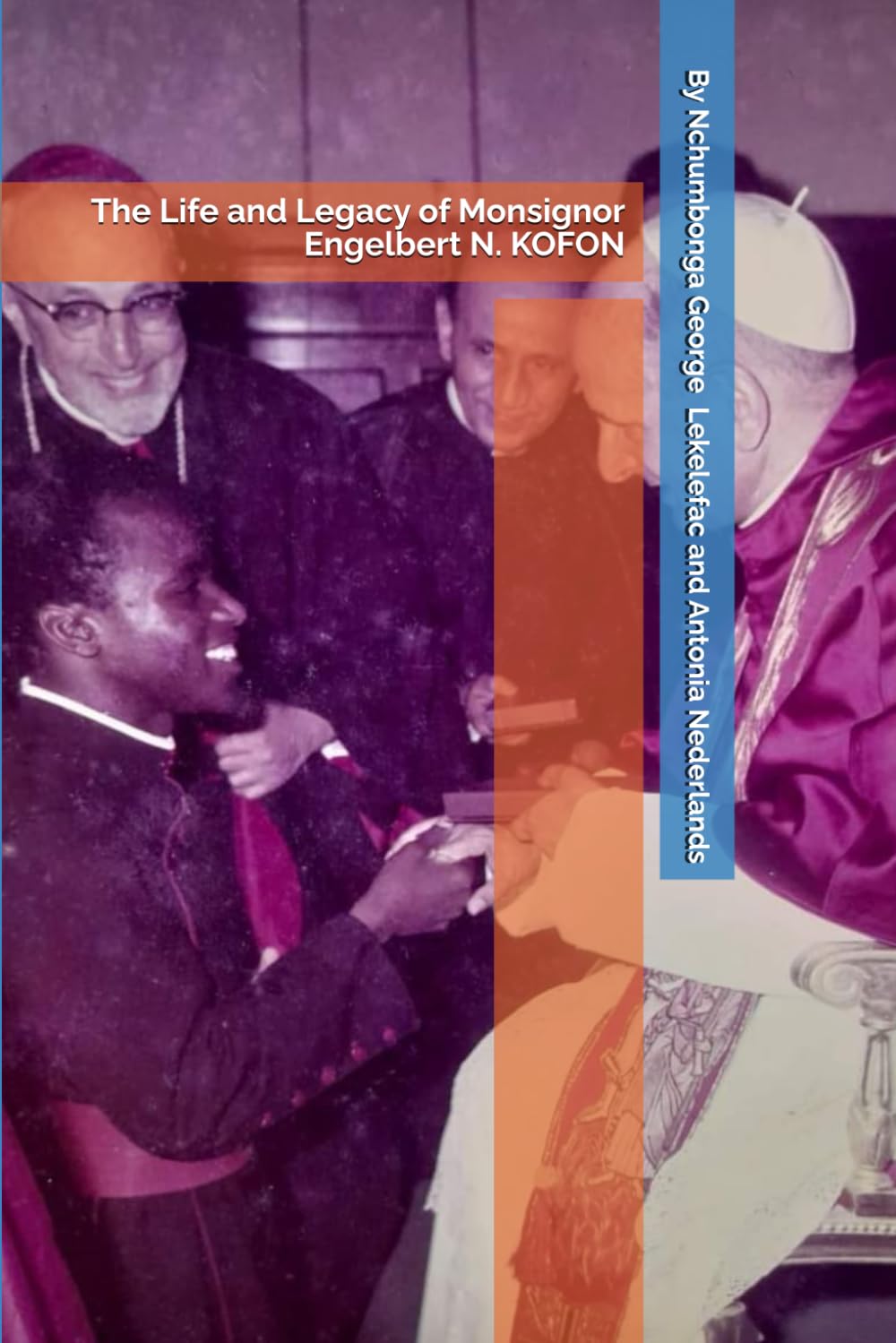



Monsignor Engelbert N. Kofon was a towering figure in the Catholic Church of Cameroon, known for his intellectual rigor as a moral theologian, his pastoral dedication, and his influential tenure at Saint Thomas Aquinas Major Seminary in Bambui. Born in 1942, Kofon’s journey from his early years through his priestly formation and ordination to his service in various parishes reflects a life devoted to God and His people. His contributions as an educator and spiritual leader left an indelible mark on the Bamenda Archdiocese, yet his final years were overshadowed by illness, neglect, and controversy, particularly regarding the lack of adequate medical and institutional support. Beyond biography, the book serves as a platform for broader reflection on ecclesiastical governance. It addresses systemic issues within the Bamenda Archdiocese, such as the exclusion of family members during Kofon’s funeral, the lack of live media coverage, and the need for improved church records and retirement support for priests. Contributions from figures like Carmen Garofalo and Bawe Louis Tarawo enrich the narrative with tributes that celebrate Kofon’s spiritual and intellectual legacy, while reflections from Fr. Dr. Joseph Jum Awoh on priestly retirement underscore the urgency of reform. Comparisons with other priests, such as Fr. Prof. Dr. Christian Mofor and Fr. Kennedy Akwo Ndu, contextualize Kofon’s experience within a pattern of institutional neglect. This work is not merely a recounting of one priest’s life but a call to action for the Catholic Church, particularly in the Bamenda Archdiocese, to uphold its moral and canonical obligations to its clergy. The authors, Nederlands—a Belgian resident with a personal connection to Kofon—and Lekelefac—a canon lawyer and advocate for justice—bring complementary perspectives that lend the book both emotional depth and scholarly rigor. Their collaboration, supported by firsthand accounts and canonical references, makes this book a vital resource for understanding the challenges faced by priests in crisis-ridden regions and the need for accountability within ecclesiastical structures. As readers embark on this journey through Kofon’s life and legacy, they are invited to reflect on the sanctity of his service, the pain of his final days, and the broader implications for the Church’s mission. The book’s gallery and valediction serve as a final tribute, ensuring that Monsignor Kofon’s contributions endure while urging the Church to address its shortcomings to prevent future tragedies. This introduction sets the stage for a narrative that is both a celebration of a remarkable life and a clarion call for compassion, justice, and reform within the Catholic Church.