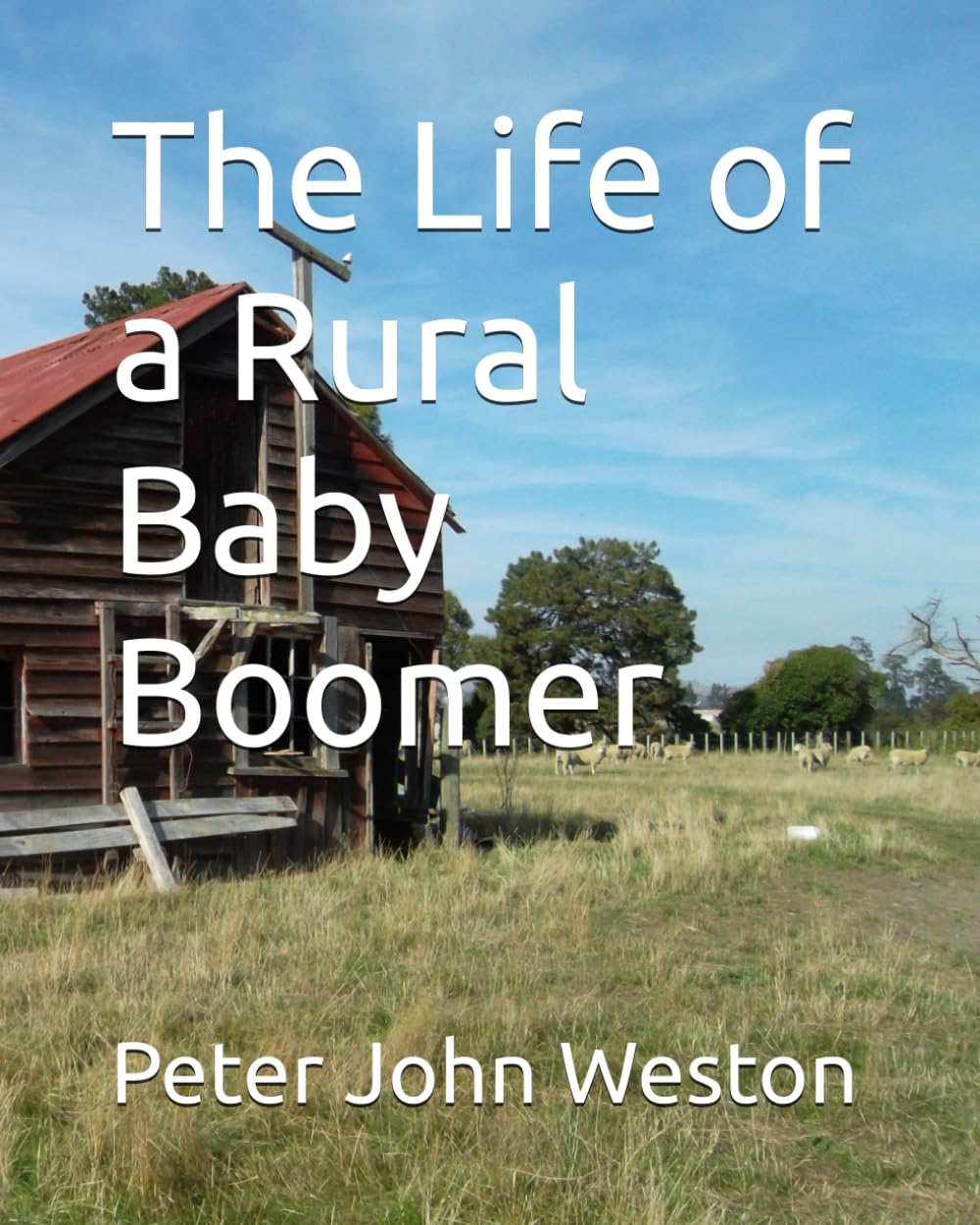



The year was 1887, In mid winter the pack horses were loaded and Samuel Weston, aged 48, with three of his sons, were making the long difficult journey through bush tracks and by river side from Tutaenui to Vinegar. Hill Four lonely horsemen, following clearings and surveyor’s trails up the Rangitkei River.. Samuel had taken up two huge tracts of land, one at Vinegar Hill, Hunterville, the other at Ohingaiti. Both were 1200 acres in area, all of it in standing bush. Four years onward, in 1891, the three boys began the felling of the second block, named Ohako Estate. They settled in a natural clearing by a creek, building a new camp. These boys were the oldest of eight brothers, one of which was Lew, my grandfather. My Dad, Ray Weston, was the second generation to farm the land. As an only child, he had inherited the six hundred acres that was his father’s share. He was not extravagant but he spared no expense where quality was concerned. Mum had been brought up in a family of seven, braving the depression in Tasmania. I don’t think that the depression affected Dad at all, but Mum was very frugal. In a sense they were an unlikely match, meeting by chance at a church conference in 1939. They married when my Dad returned from the 2nd World war. My expectation was that I would follow the footsteps of my Dad, but that was not to be. Those times have gone, and now we are just another relatively insignificant family lost in the passage of time, a bit like Ohingaiti, our home village. This is an account of rural New Zealand life 1890 -2025. The emphasis is on the life of the writer, outlining the highs and lows of a variety of work situations, which are related with characteristic humour. , The story embodies his experiences of faith as a Christian over these years, which guided him through many life changes.