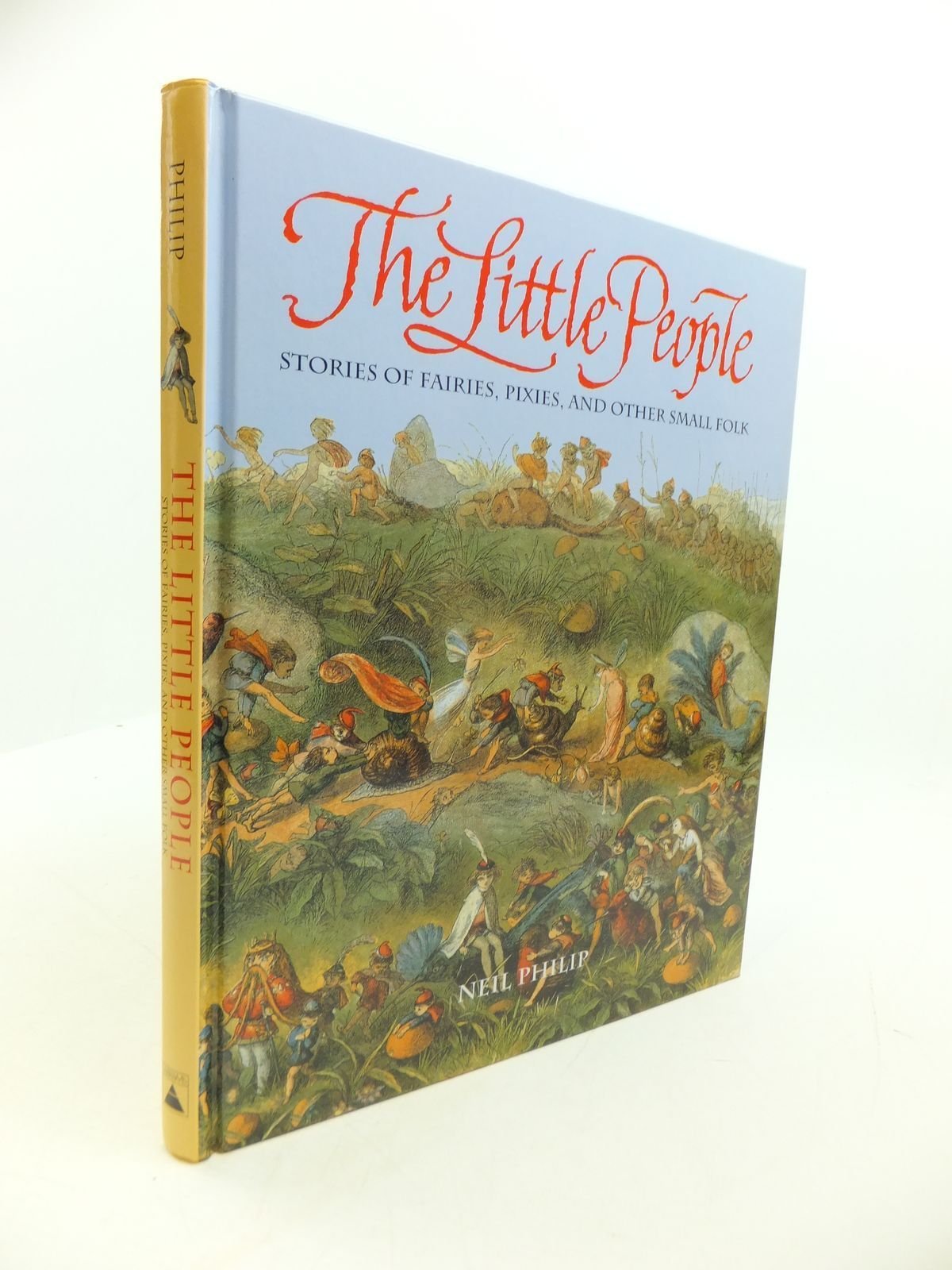



An illustrated collection of folktales provides stories about an array of small folk, such as fairies, sprites, brownies, lutins, pixies, and others, as they live and exist in their own unique worlds. Grade 4 Up-This survey is both exhaustive and engaging. Philip defines fairies as "all kinds of magical beings who can take a human form" and confines his survey to the fairy folk of northern Europe. Each of the eight chapters begins with an explanatory note for the topic under discussion, be it "Fairy Neighbors," "Fairy Treasure," "Mischievous Fairies," etc., followed by brief but succinct retellings of tales that illustrate a particular trait or behavior. The book is handsomely decorated with full-color plates from 30 different artists, including Arthur Rackham, William Blake, Richard Doyle, Edmund Dulac, and George Cruikshank. Pencil drawings by Jacqueline Mair provide additional interest. Notes on fairy lore, fairy paintings, and a glossary of fairies are also included. In all, a well-written, attractive choice for anyone wishing to become better acquainted with this magical realm. Grace Oliff, Ann Blanche Smith School, Hillsdale, NJ Copyright 2002 Reed Business Information, Inc. Gr. 4-8. In this beautifully illustrated survey of fairy lore, folklorist Philip writes with the enthusiasm of a true believer: "What looks like a grass-covered hill to us, may be a palace of fairies." More comprehensive and for a slightly older audience than Tanya Robyn Batt's A Child's Book of Faeries [BKL D 15 02], Philip's title introduces a multicultural cast of fairies, including Scandinavian, Germanic, Irish, and British "small folk." The text refers to other writers' fairy yarns, including a story about W. B. Yeats, but it's strangely unclear whether the frequent lively tales that break up the commentary are written by Philip or are excerpted from other works. The only source notes refer to the beautifully reproduced, full-color artwork. Images by William Blake and Arthur Rackham are among the stunning illustrations included, and a note about fairy paintings offers more background on the visual history of the subject. Sophisticated but somewhat disorganized, this is an intriguing collection that's probably best suited for read-alouds and browsing. Gillian Engberg Copyright © American Library Association. All rights reserved Used Book in Good Condition