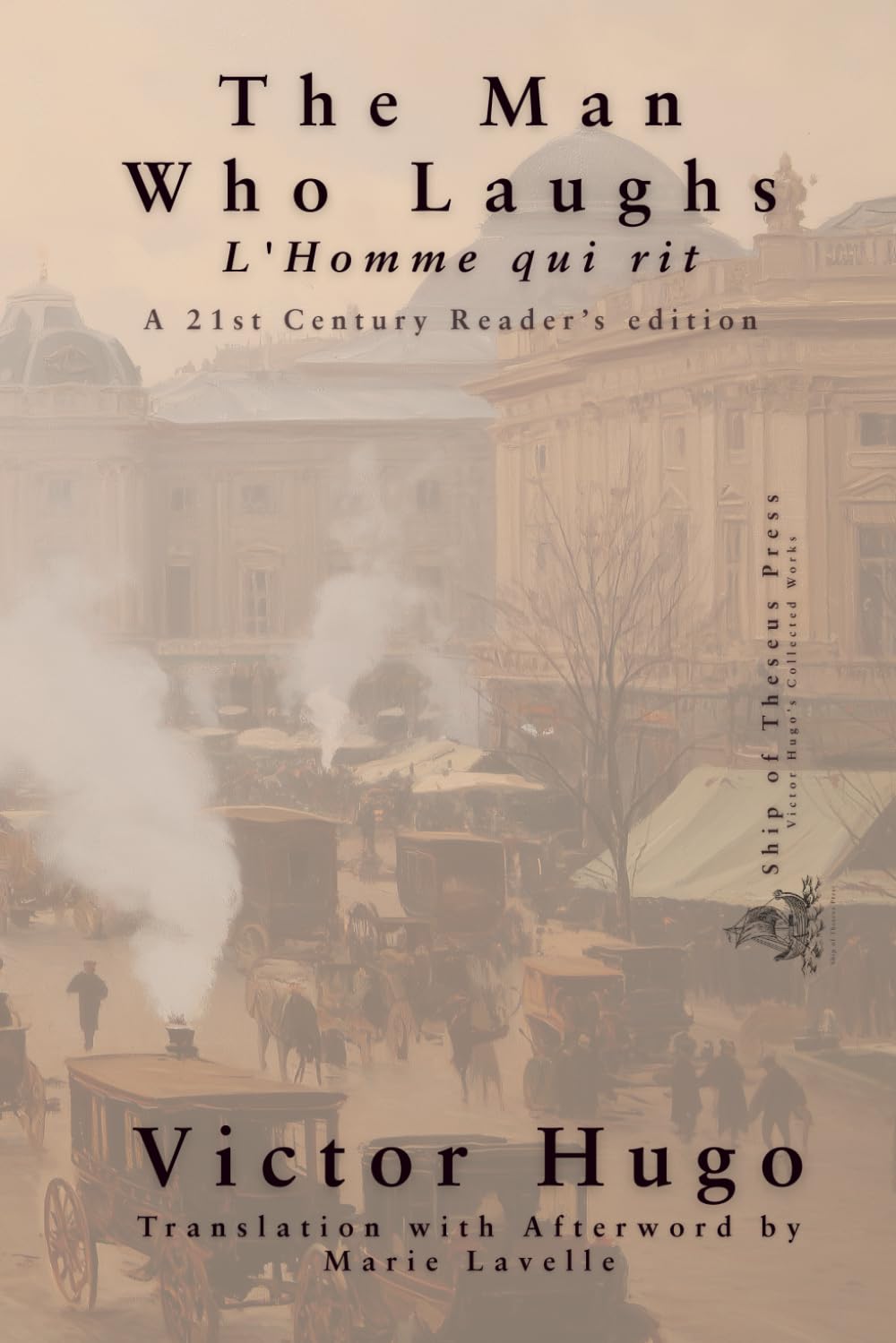



A stolen child cast adrift by cruel hands, his face grotesquely carved into a perpetual grin – this is the haunting premise of The Man Who Laughs. In one of Victor Hugo’s most somber and fantastical novels, the author leads us from windswept cliffs and midnight fairs to the gilded halls of English aristocracy, all through the eyes of a young man forced to laugh forever. When Hugo released L’Homme qui rit (its French title) in April 1869, it perplexed and fascinated audiences in equal measure. By then, Hugo was an elder statesman of literature, long celebrated for Notre-Dame de Paris and Les Misérables. But here he offered something altogether different – a dark tale set in 17th–18th century England, far from the familiar Parisian boulevards. Many French critics were initially disconcerted. The novel’s grim subject matter (mutilation of children, the corruption of the nobility, the bleak fates of carnival performers) and its often macabre tone did not align with the uplifting humanism of Les Misérables. Some reviewers labeled it excessively morbid or eccentric. Yet even those critics acknowledged the hypnotic power of Hugo’s storytelling. In Britain, where the book was sometimes published under the alternative title By Order of the King, readers were struck by the audacity of a French writer critiquing English history – and doing so with great imaginative flair. Over time, appreciation for The Man Who Laughs grew. The poignant character of Gwynplaine (the man with the carved smile) gained a cult following, especially after a 1928 silent film adaptation starring Conrad Veidt brought his chilling grin to cinemas worldwide. Indeed, that image of Gwynplaine’s smiling agony would later inspire the creation of comic-book villains and remain one of the most enduring visuals from Hugo’s oeuvre. Ultimately, The Man Who Laughs stands as a strangely beautiful anomaly in Hugo’s canon. It is the nightmarish flipside of Les Misérables: where Valjean finds salvation and societal acceptance in France, Gwynplaine finds only despair and rejection in England. And yet, Hugo does not leave us in total darkness. The novel’s final impression is one of profound, tragic love – love that transcends physical appearance and even death. In that sense, The Man Who Laughs reaffirms a deeply Hugo-esque belief: that the human heart, even when broken, even when mocked by the world, retains a dignity that no laughter can erase. This critical reader's edition presents a modern translation of the original manuscript, crafted to help the armchair philosopher engage deeply with Victor Hugo's works through clean, contemporary language and streamlined syntax that clarifies his expansive ideas. Additional material enriches the text with autobiographical, historical, and linguistic context, including an afterword by the translator on Hugo’s history, impact, and intellectual legacy, an index of the themes and philosophical concepts he employs—emphasizing Romanticism, social justice, and moral idealism—a comprehensive chronological list of his published writings, and a detailed timeline of his life, highlighting the personal relationships (including his relationship with Charles Dickens) and political commitments that shaped his vision.