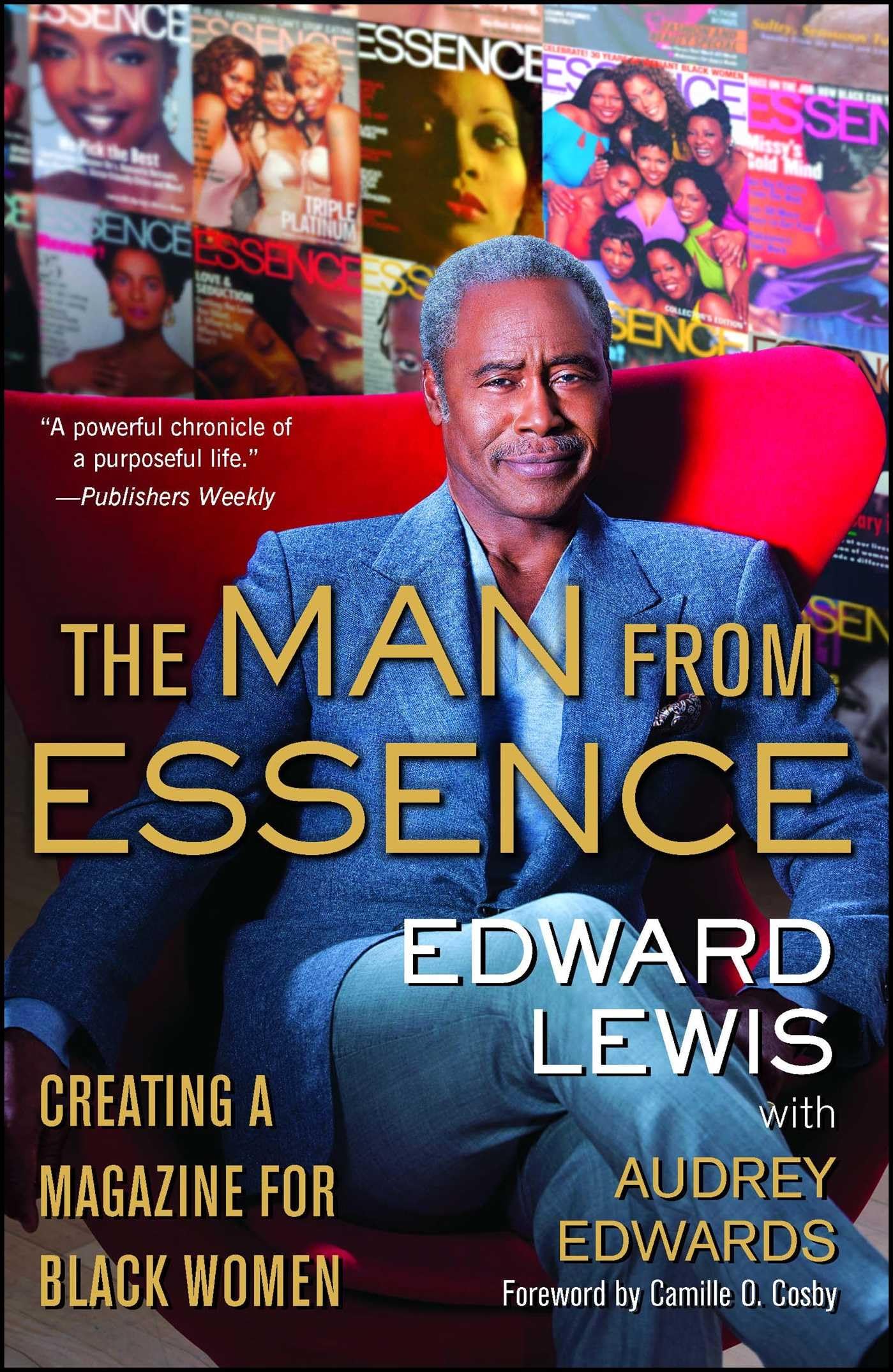



Essence magazine is the most popular, well respected, and largest circulated black women’s magazine in history. Largely unknown is the remarkable story of what it took to earn that distinction. The Man from Essence depicts with candor and insight how Edward Lewis, CEO and publisher of Essence , started a magazine with three black men who would transform the lives of millions of black American women and alter the American marketplace. Throughout Essence ’s storied history, Ed Lewis remained the cool and constant presence, a quiet-talking corporate captain and business strategist who prevailed against the odds and the naysayers. He would emerge to become the last man standing—the only partner to survive the battles that raged before the magazine was sold to Time, Inc. in the largest buyout of a black-owned publication by the world’s largest publishing company. By the time Lewis did the deal with Time , the little magazine that limped from the starting gate in 1970 with a national circulation of 50,000, had grown into a powerhouse with a readership of eight million. The story of Essence is ultimately the story of American business, black style. From constant battles with a racist advertising community to hostile takeover attempts, warring partners packing heat, mass firings, and mass defections—all of which revealed inherent challenges in running a black business—the saga is as riveting as any thriller. In this engaging business memoir, Ed Lewis tells the inspiring story of how his own rise from humble South Bronx beginnings to media titan was shaped by the black women and men in his life. This in turn helped shape a magazine that has changed the face of American media. Edward Lewis, propelled by the extraordinary success of Essence magazine, has become one of the most successful and respected magazine publishers in the country. In 1969, he cofounded Essence and later founded Latina magazine. Mr. Lewis was honored with the Henry Johnson Fisher Lifetime Achievement Award, the Time, Inc. Henry Luce Award, and was a 2014 inductee into the Advertising Hall of Fame by the American Advertising Federation. He is the former chairman of the Magazine Publishers of America and currently serves as Senior Advisor for Solera Capital, a New York–based private equity firm. Audrey Edwards, coauthor of Children of the Dream: The Psychology of Black Success, is a veteran award-winning journalist and editor. She has served as executive editor and editor at Essence magazine. She has held the executive editor position at Black Enterprise magazine and senior editor positions at Family Circle and More magazines. In addition, she has written for numerous magazines, including the New York Times Sunday Magazine, O, The Oprah Magazine, Glamour, Seventeen, and the Columbia Journalism Review . She has also written for the online publications TheRoot.com and Salon.com. Camille Cosby is a producer and educator. She coproduced the Tony Award-nominated Having Our Say, which won a 1999 Peabody Award for television, and has also served as executive producer of numerous film projects. The Man from Essence CHAPTER 1 The “Godfather” Calls a Sit-Down 1968. It was a very bad year, perhaps the worst of times in a nation rocked by political assassinations, urban riots, underground revolutionaries, and defiant protestors. Visionary leaders were violently killed: Martin Luther King, Jr., gunned down on a Memphis hotel balcony in April; Robert F. Kennedy shot in a Los Angeles hotel kitchen in June; black riots erupting in dozens of American cities following the killings. The Democratic National Convention in Chicago had been convulsed by rioting and confrontations in August as the city’s notorious head-bashing cops knocked heads outside the International Amphitheatre, ferociously beating down thousands of angry black and white protestors who were threatening to tear apart America as we knew it. A grim national report on the civil unrest, commissioned by President Lyndon B. Johnson, was released that year and warned that the country was in danger of moving toward two societies—one black, one white—separate and unequal. Yet if 1968 seemed to be the worst of times, it also held out hope for some for better times, and I, for one, needed that. I had already suffered through my own miserable times, losing a college football scholarship to the University of New Mexico, flunking out of law school in Washington, DC, six years later, and finding myself, now at 28, back home at the St. Mary’s housing projects in the South Bronx, living with my mother and stepfather. Like most blacks, I was furious over the assassinations of King and Kennedy, but I knew violence was not the answer to the many problems besetting us as a people. Money was, pure and simple. Not money for the sake of lavish spending or grand profiling, but money for the real good it can do in improving lives. I cannot say it was money alone, though, that drov