The Matter of History: How Things Create the Past (Studies in Environment and History)
$27.18
by Timothy J. LeCain



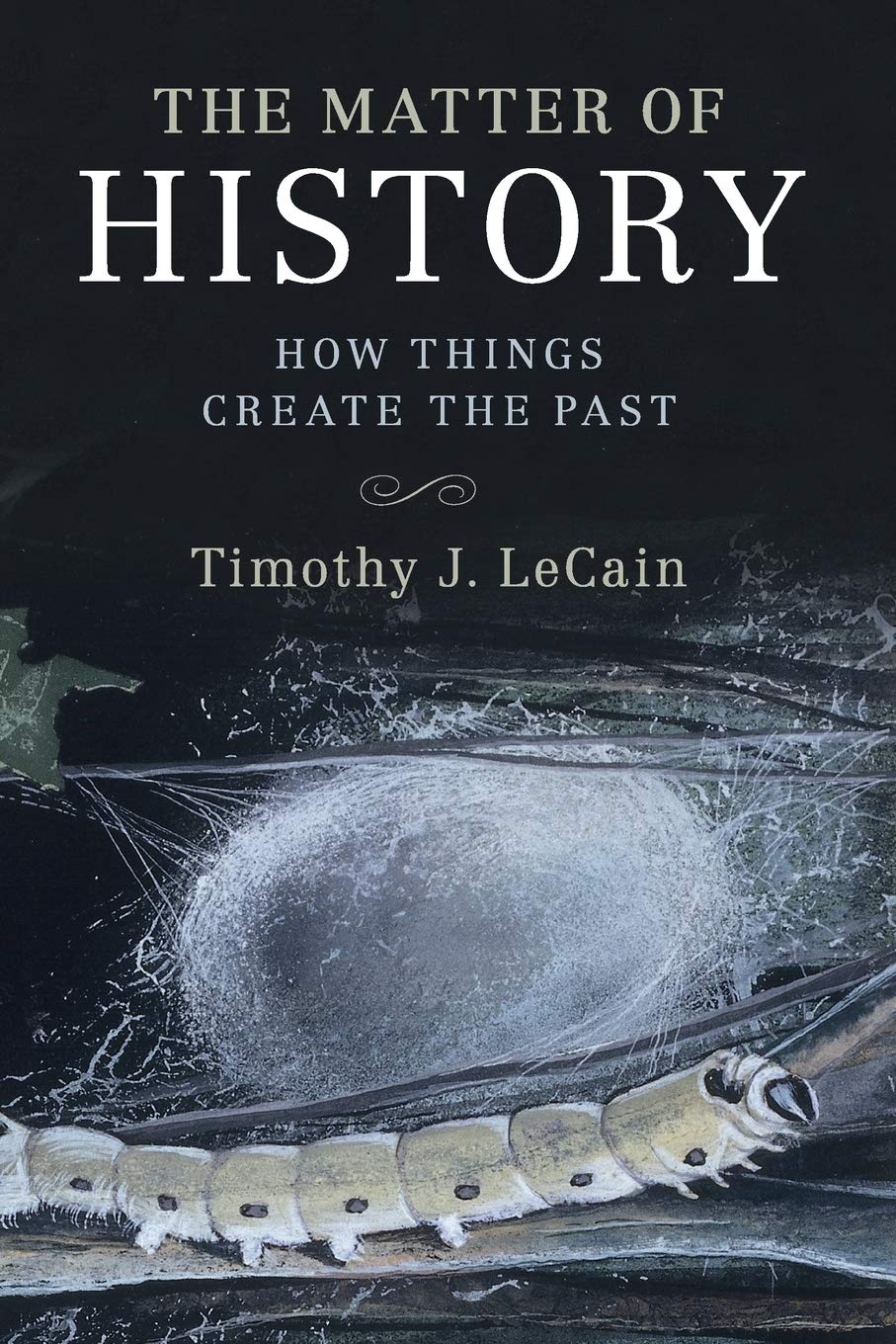
New insights into the microbiome, epigenetics, and cognition are radically challenging our very idea of what it means to be 'human', while an explosion of neo-materialist thinking in the humanities has fostered a renewed appreciation of the formative powers of a dynamic material environment. The Matter of History brings these scientific and humanistic ideas together to develop a bold, new post-anthropocentric understanding of the past, one that reveals how powerful organisms and things help to create humans in all their dimensions, biological, social, and cultural. Timothy J. LeCain combines cutting-edge theory and detailed empirical analysis to explain the extraordinary late-nineteenth century convergence between the United States and Japan at the pivotal moment when both were emerging as global superpowers. Illustrating the power of a deeply material social and cultural history, The Matter of History argues that three powerful things - cattle, silkworms, and copper - helped to drive these previously diverse nations towards a global 'Great Convergence'. A 'fresh, provocative, and profound book . . . [ The Matter of History ] pushes environmental history methodology to a new level of engagement with all actors of the material world.' Anne Norton Greene, Journal of Interdisciplinary History '[ The Matter of History ] easily counts among the ten most fascinating books that I have read over the last decade.' Stefan Berger, Journal of Social History and the History of Social Movements ' The Matter of History is a book rich in philosophical and historical insight.' Joshua Specht, Journal of Global History A 'profound and provocative book.' Steven Lubar, Technology and Culture The Matter of History links the history of people with the history of things through a bold new materialist theory of the past. Timothy J. LeCain is the author of the prize-winning book Mass Destruction (2009). He was a Senior Fellow at the Rachel Carson Center in Munich, Germany, and a Fellow at the Center for Advanced Study in Oslo, Norway. He is Professor of History at Montana State University in Bozeman, Montana.