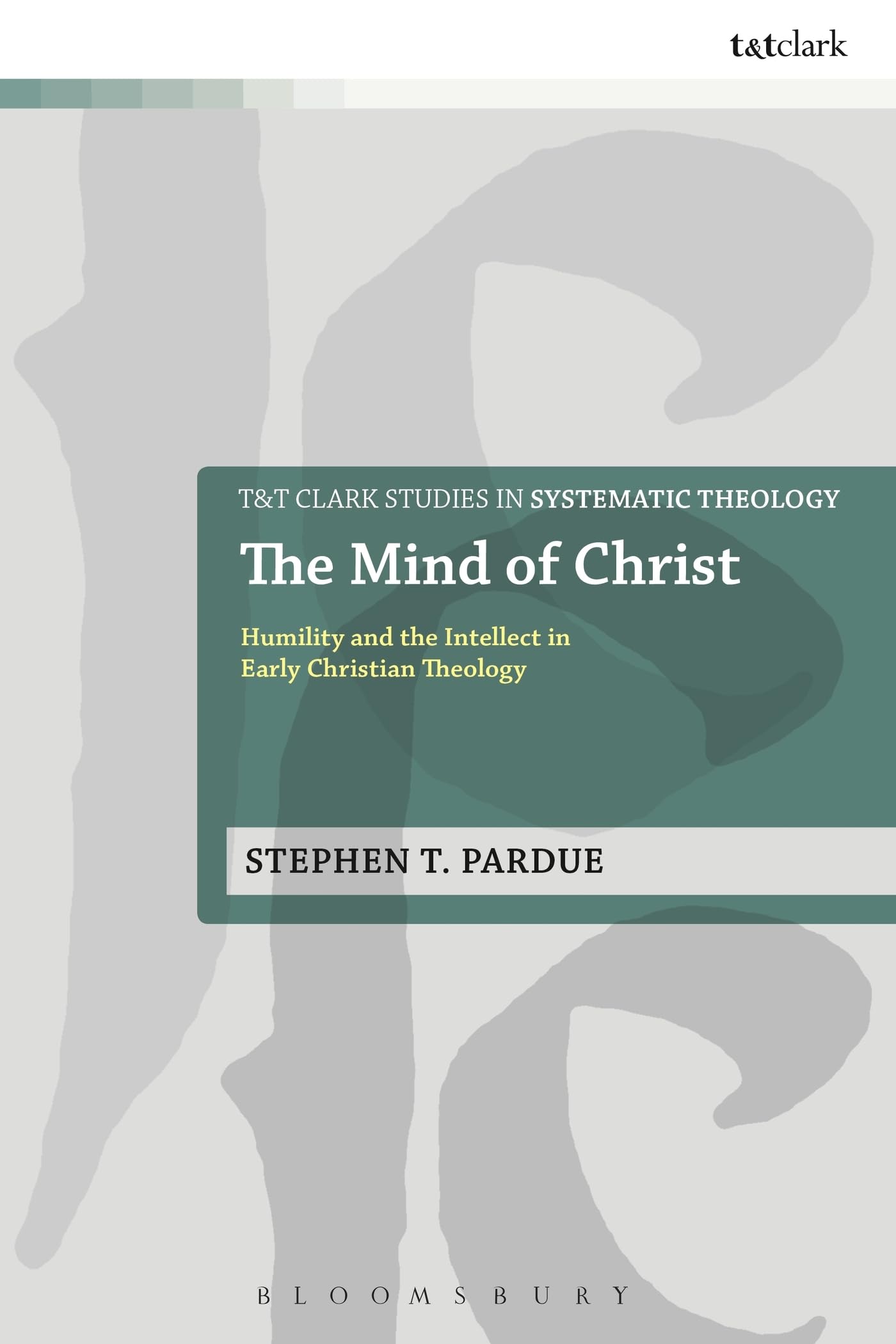
The Mind of Christ: Humility and the Intellect in Early Christian Theology (T&T Clark Studies in Systematic Theology)
$49.86
by Stephen T. Pardue



This book brings a variety of theological resources to bear on the now widespread effort to put humility in its proper place. In recent years, an assortment of thinkers have offered competing evaluations of humility, so that its moral status is now more contentious than ever. Like all accounts of humility, the one advanced in this study has to do with the proper handling of human limits. What early Christian resources offer, and what discussions of the issue since the eighteenth century have often overlooked, is an account of the ways in which human limits are permeable, superable and open to modification because of the working of divine grace. This notion is especially relevant for a renewed vision of intellectual humility-the primary aim of the project-but the study will also suggest the significance of the argument for ameliorating contemporary concerns about humility's generally adverse effects. “Stephen Pardue's treatment of humility is scripturally faithful, theologically profound, and spiritually nourishing. He treats this virtue in ways that honor both intellectual and ethical concerns. The book is clearly and beautifully written. Above all, it directs our focus consistently toward God's self-giving in Jesus Christ - toward that which ultimately defines our human dignity.” ―Daniel J. Treier, PhD, Professor of Theology, Wheaton College, USA “Theology is a practice of both mind and heart; this is a theme that echoes through the Christian tradition. It is also, of course, a theme that we all too easily forget. In this fascinating and acute study Stephen Pardue shows how deeply the practice - and indeed life - of humility governed two of the most intellectually stimulating of our early Christian forebears, and he shows us this vision as a powerful evangelical call to our own practice today.” ―Lewis Ayres, Professor of Catholic and Historical Theology, Durham University, UK “Pardue has an excellent sense of balance, interspersing obligatory surveys of the various fields addressed with sustained examinations of key figures and arguments.” ―Nathan J Chambers, University of Durham, UK, Theological Book Review This study engages closely with Christian sources, offering a theologically rooted description of the nature and significance of humility for the moral and intellectual life. StephenPardue is Assistant Professor of Theology at the Asia Graduate School ofTheology (Manila). He has published articles in Scottish Journal of Theology, InternationalJournal of Systematic Theology, and Journalof Theological Interpretation. Ivor J. Davidson is Honorary Professor at the University of Aberdeen, UK. He was previously Professor of Theology at the University of Otago, New Zealand. Philip G. Ziegler is Chair in Christian Dogmatics at the University of Aberdeen, UK. John Webster was born in c. 1580 to a London coachmaker, and appears to have studied law at the Middle Temple. Although he is recorded as the author of several other works, including a history play, Lady Jane , his only surviving works are Westward Ho! and Northward Ho! (1604-05), written in collaboration with Thomas Dekker, the comedy The Devil's Law Case (1620), and two tragic masterpieces, The White Devil (1612) and The Duchess of Malfi (1614).