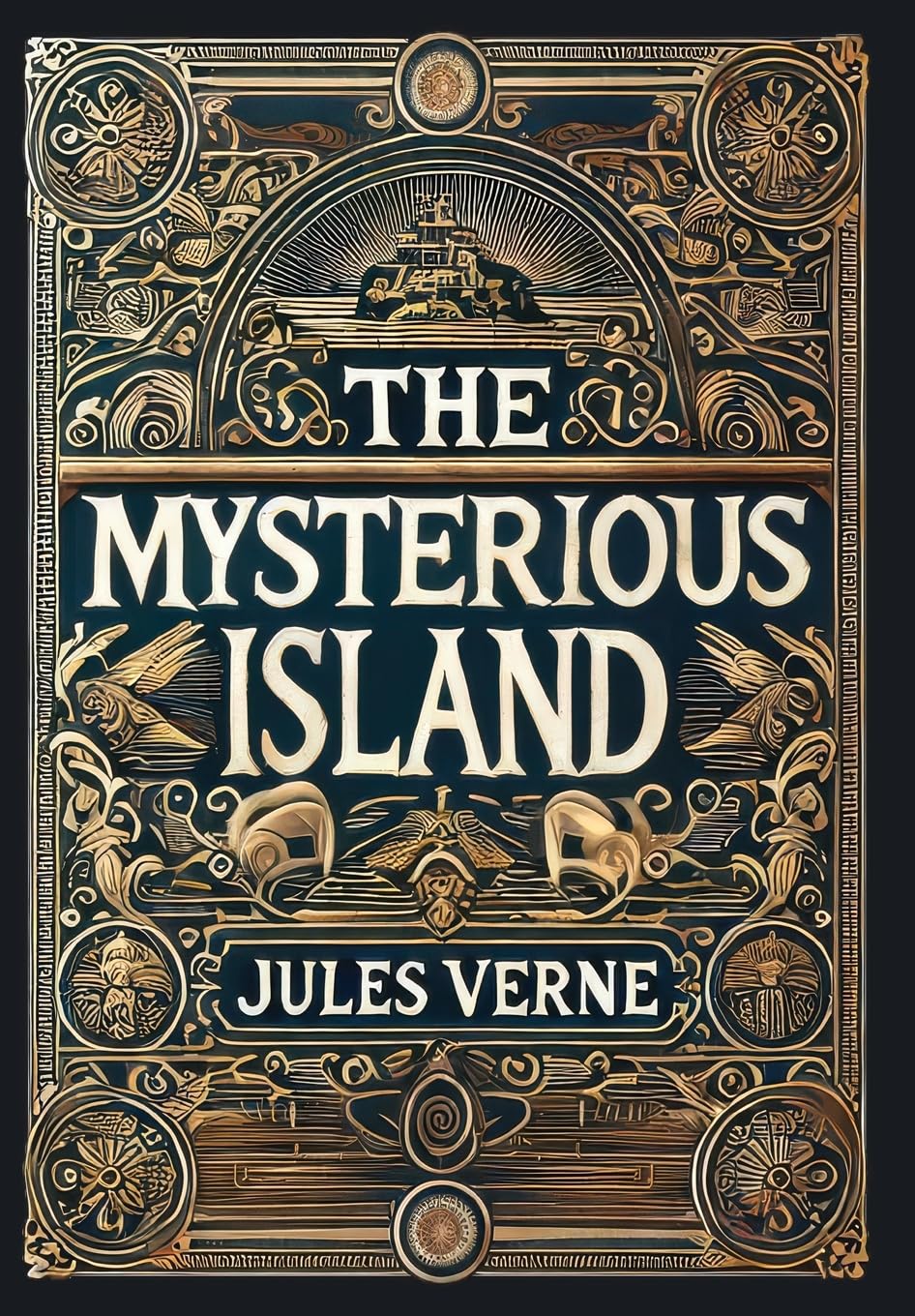
The Mysterious Island (Collector's Edition) (Laminated Hardback with Jacket)
$49.99
by Jules Verne



Collector's Edition Laminated Hardback with Jacket A violent storm wrecks their balloon escape, hurling five survivors onto a mysterious, uncharted island brimming with secrets. Struggling against the forces of nature, they use their wits and ingenuity to tame the land, fashion tools, and unravel the island's strange anomalies. But eerie signs begin to appear-unseen forces guiding their fate, unexplained phenomena lurking in the shadows. As they dig deeper, their fight for survival turns into a thrilling quest to uncover the truth behind the island's hidden power. Blending adventure with scientific ingenuity, The Mysterious Island captures the spirit of the 19th century's technological optimism and fascination with exploration. Jules Verne weaves real-world survival techniques with thrilling discoveries, showcasing the power of human intellect in the face of the unknown. The novel also serves as a tribute to self-reliance and engineering, reflecting the era's belief in progress and invention. Beyond its gripping narrative, it has inspired generations of explorers, engineers, and storytellers, cementing its place as a cornerstone of classic adventure literature. Jules Verne, born in 1828 in Nantes, France, displayed a passion for literature and science from a young age. Initially expected to follow his father into law, Verne instead pursued writing and found success through his extraordinary adventure novels, often blending scientific knowledge with imaginative exploration. His works, such as Journey to the Center of the Earth and 20,000 Leagues Under the Sea, earned him recognition as a pioneer of science fiction.Verne's collaboration with publisher Pierre-Jules Hetzel significantly shaped his career. Together, they created the Voyages Extraordinaires, a series of meticulously researched adventure novels that captivated readers with their futuristic technology and exotic locales. Verne's writing often reflected the rapid technological advancements of the 19th century, exploring themes of discovery, innovation, and the human relationship with nature and progress.Throughout his life, Verne remained deeply engaged with scientific developments, using his novels to speculate on the possibilities of the future. He passed away in 1905, leaving a legacy as one of the most translated authors in history, with his works continuing to inspire science fiction and adventure enthusiasts around the world.