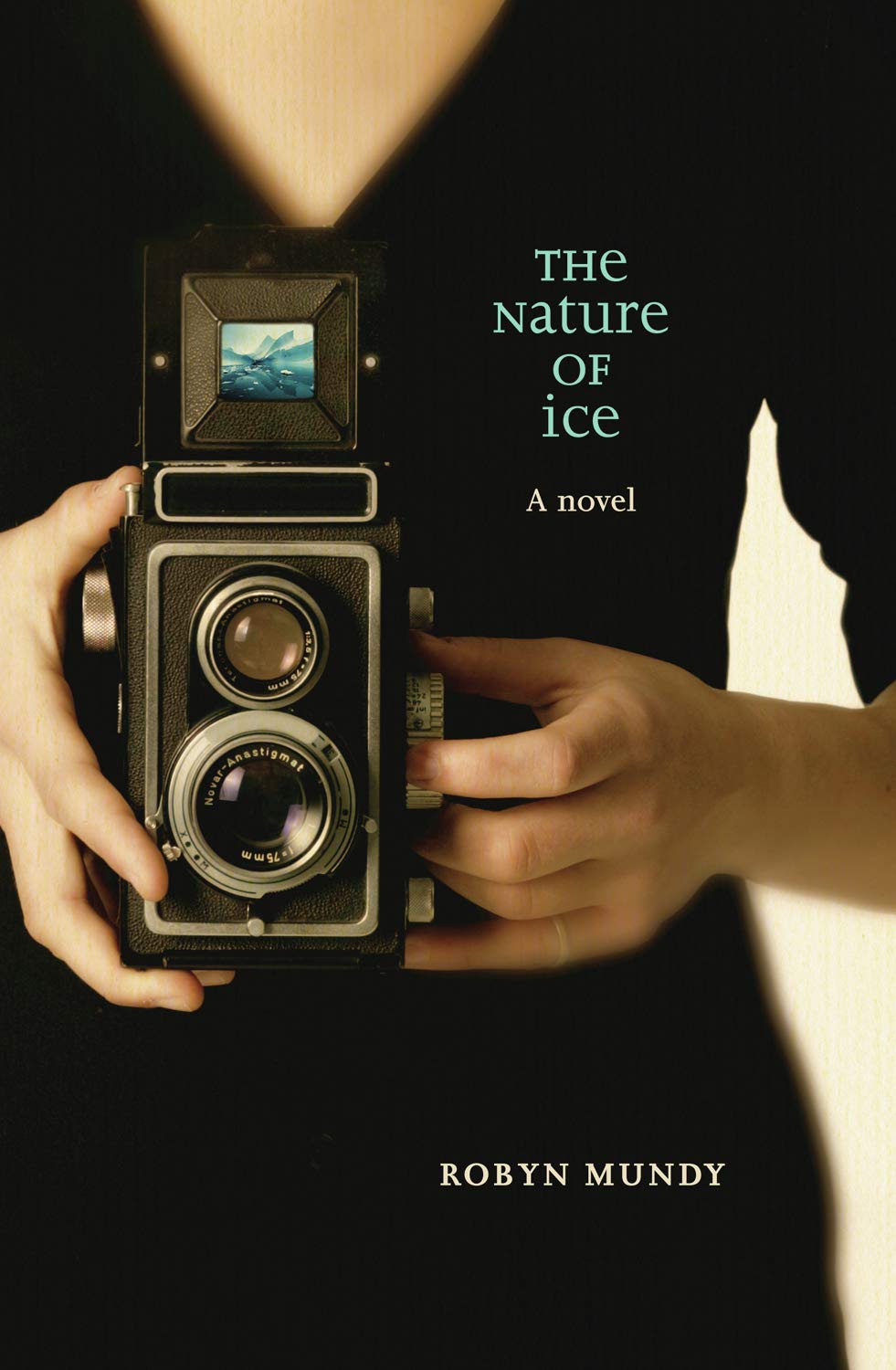



A compelling novel of hope, love, and loss set in the startlingly beautiful landscape of Antarctica Capricious, the nature of ice; as impetuous as faithless deeds. So easy to forget that sea ice is only a veneer, inherently flawed, skin-deep as desire, so transitory as to be scattered out to sea, displaced by ocean, dispersed by wind—gone in the lapse of a day. Freya has come to Antarctica ostensibly to undertake a photographic expedition to retrace Frank Hurley's iconic photographs—but also to escape a stifling relationship. Once she is there, though, living in the cramped and close confines of Davis Station, the extraordinary world of Antarctica gets under her skin and she starts to unfurl, finding her world change in ways she would never previously had thought possible. Weaving in a vivid recreation of Douglas Mawson's ill-fated 1911–1914 Antarctic expedition into the contemporary story of a woman coming to terms with the end of her marriage, this is a poetic, multi-stranded novel of present and past, hope and tragedy, love and loss. It is not only a love story and a heart-stopping, intensely moving polar adventure story, but also a story of place, bringing to vivid life the extraordinary landscape of Antarctica, the frozen continent that intrigues us all. Mundy’s first novel follows photographer Freya Jorgensen on a journey to Antarctica to document the bright beauty of the South Pole. Taking her inspiration from the images famed real-life Australian photographer Frank Hurley took while on an expedition with explorer Douglas Mawson, Freya hopes to capture the harsh terrain of the seventh continent in a similar fashion. Leaving her husband, Marcus, behind in Australia, Freya is secretly having second thoughts about the concession she made to her husband to give up having children. Complicating matters are her growing feelings for Chad McGonigal, the gruff, aloof man assigned to be her assistant and to take her around the continent to get her photographs. Juxtaposed with Freya’s story is the story of Mawson and Hurley’s 1911–14 expedition, during which the men faced starvation, illness, and the brutality of nature at the farthest reaches of the earth. Just as Hurley does in his breathtaking photographs, Mundy expertly captures the beauty of the Antarctic and the raw power of nature at work there in her graceful prose. --Kristine Huntley “The beauty of the book comes in the attention to detail, and by the end of the book, the reader will feel as if he or she has actually been to Antarctica. I would recommend this book for readers of all ages.” —Luxury Reading Robyn Mundy has been to Antarctica many times, first as an assistant expedition leader for an ecotour company. She spent a summer living and working at Davis Station, Antarctica, as a field assistant and a winter at Mawson Station, Antarctica, where she worked on an emperor penguin project. The Nature of Ice By Robyn Mundy Allen & Unwin Copyright © 2009 Robyn Mundy All rights reserved. ISBN: 978-1-74175-576-3 Contents AUTHOR'S NOTE, TO THE ANTARCTIC AND SUCCESS, DAVIS STATION, STEEL CROSSES, FIELD TRAINING, SLUSHY, A THOUSAND RIVERS, ZOLATOV ISLAND, ROOKERY LAKE, THE REAL THING, DRESSED TO KILL, CURLICUES OF FILM, SUMMER SOLSTICE, CHRISTMAS DAY, PIONEER CROSSING, PAQUITA DELPRAT, CRIMSON BERGS, THE BIRTHPLACE OF BERGS, A MEMENTO, ANOTHER WOMA N'S PAST, FANG PEAK, NORTHWARD BOUND, THE BAY, A NEW WAY OF SEEING, WINTER SOLSTICE, ACKNOWLEDGMENTS, ARCHIVAL SOURCES, CHAPTER 1 TO THE ANTARCTIC AND SUCCESS AURORA AUSTRALIS YAWS IN THE roll of the storm, four days out from Hobart and hurtling southward beyond the edge of the known world. Freya's world, that is. During the night the cabin has turned into a dance floor for Blundstone boots, a fluffy seal, an empty water bottle missing its cap. As if in an act of surrender, a drawer flings open and jettisons a roll of large format film. Freya Jorgensen watches from the top bunk as it tumbles over carpet to join the motley collection. From along the hallway, sounds of retching spill from a cabin. A tingle rises through Freya's jaw and spreads across her lips as she teeters on the edge of nausea. If she could only open the porthole, stand before the moonlit night and draw in great gasps of cold ocean air. Her stomach rises and falls like an untethered buoy, its rhythmic wave keeping time with the curtains that fringe each bunk and glide freely on their tracks. She wedges her body diagonally and determines again to concentrate on breathing, dismiss each new thought that entices distraction. She weighs up the energy required to maintain purchase on her bunk with that of abandoning sleep and escaping the cabin altogether. Her travel clock reads 2:20 a.m., forty minutes since the last time she looked. She gives sleep one more chance, though she knows a lost cause when she sees it. FREYA REELS ALONG THE SHIP'S corridor, out through the heavy double d