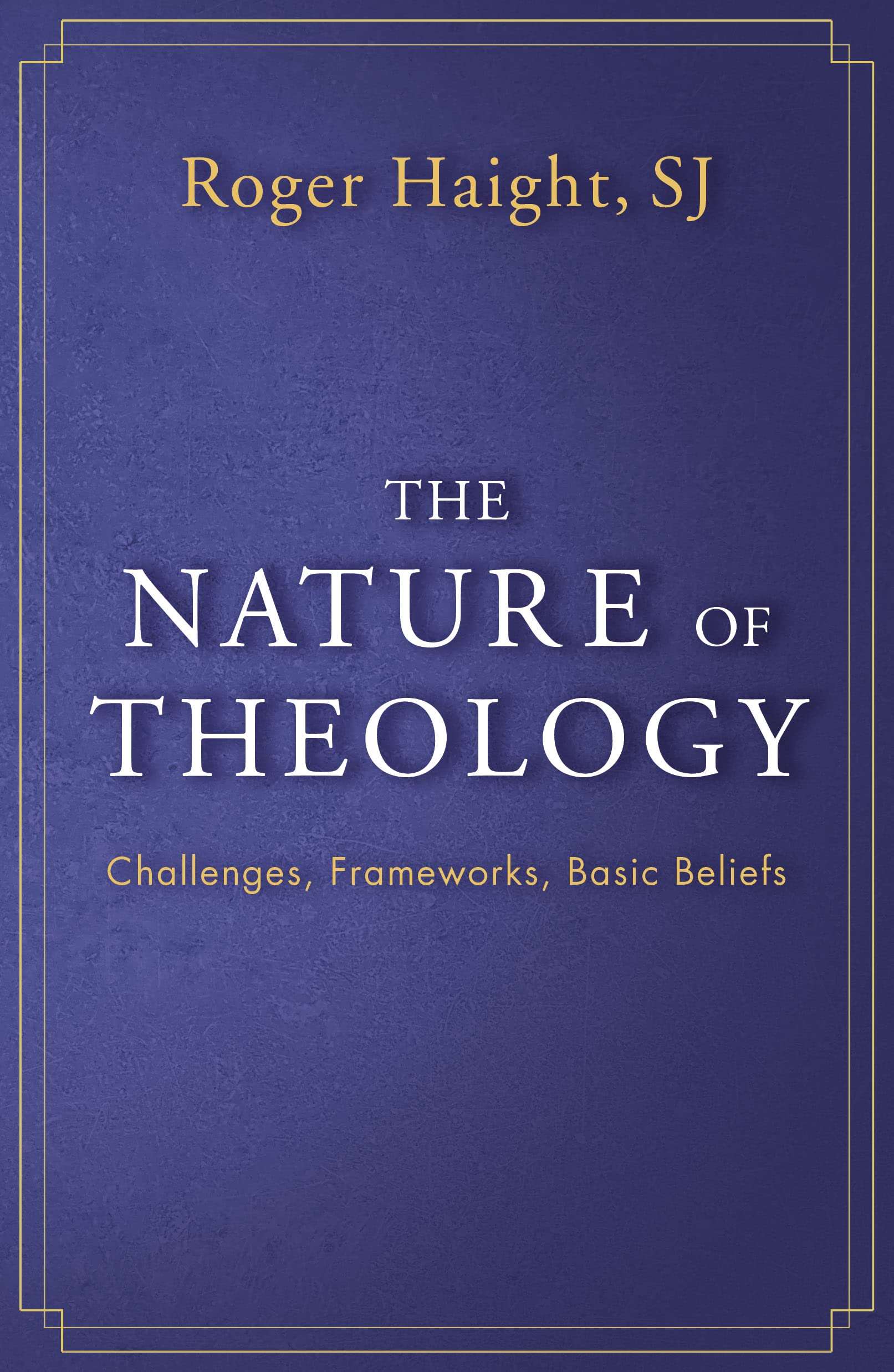



Discusses the discipline of theology in light of our current situation. As with his 1990 book Dynamics of Theology, he is still seeking to clarify what the academic study of Christian theology is about, but here he is taking into account significant shifts in the context of theology during the past three decades. These include: the dialogue with science; extensive development of liberation theologies; public acceptance of religious pluralism; and increased scrutiny on Christology as a result of the rise of religious pluralism. He will thus ask questions such as: How can theology maintain a real authority in its exchange with scientific culture and a critically informed political culture? If religious pluralism means one religious tradition can learn from other religions, how does theology justify the particular claims of its tradition? If theology arises out of a faith community, how does it retain its autonomy as an academic discipline relative to the more objective disciplines of social sciences and religious studies? "A readable, serious, and compact Summa that puts you in Roger Haight's renowned classroom, condensing the insights from a remarkably creative, dynamic theological career."-- Tom Beaudoin, Fordham University "A clear, lucid, and very accessible introduction to thinking theologically in response to current issues. The Nature of Theology will be widely used as an introductory text in theology courses because it demonstrates in content and organization how theological thinking can respond in holistic and transformative ways to the challenges of skepticism, relativism, and ontic pessimism."-- Susan Abraham, Vice President of Academic Affairs and Dean of Faculty, Pacific School of Religion "The Nature of Theology offers rich resources for doing and teaching theology in an era shaped by scientific understandings of reality, characterized by religious and cultural pluralism, and marred by the reality of unspeakable suffering. At the level of both method and constructive engagement, this book provides a valuable introduction to contemporary theological discussions of classical doctrines."-- Paul J. Schutz, Associate Professor, Religious Studies, Santa Clara University US$27.00 RELIGION / Christian Theology /General RELIGION / Christian Theology / Systematic RELIGION / Christianity / Catholic Cover design: Michael Calvente [Orbis Logo] ISBN: 978-1-62698-488-2 Roger Haight , SJ, is currently a visiting professor of systematic theology at Union Theological Seminary in New York City. A past president of the Catholic Theological Society of America, he is author of many books—most recently Faith and Evolution: A Grace-filled Naturalism and Spiritual and Religious: Explorations for Seekers (both Orbis). Thirty years ago I published a book on the basic components of Christian theology.1 Although this work incorporates or presupposes much of that earlier work, the many differences between them offer insight into developments over the years and what is going on in this book. In Dynamics of Theology I was concerned that the discipline of theology should have greater methodological self-consciousness within the confines of a professional school of ministry. Law schools and medical schools seemed to be more rigorous in their research and critical in their interpretation. Christian theology has a long history of being a critical academic discipline, and professional schools demand no less. But critical questioning does not have to translate into inaccessible language. That book was thus written to address a larger audience than professional theologians. Dynamics considered faith to be a common human response to reality, but distinct from the formal statements of belief that are changeable expressions of a consistent faith commitment. Revelation too had to be sharply distinguished from communication of heavenly information. As in the case of faith, Christian ministers needed nuanced reflection on how scripture could be appropriated in a culture that asks questions about everything. Dynamics offered a systematic account of the symbolic structure of religious and theological language and a critical hermeneutical method for appropriating the tradition. Overall, the book was addressed to insiders, Christian ministers who had to address people who were asking ever more sophisticated questions about the beliefs of their own churches. Three decades have generated remarkable changes in Western intellectual culture that help account for the differences between this and that earlier work. Major political and social events on the national and world stage, not to mention behaviors mediated by technological developments, helped stimulate shifts in secular and church cultures. We can point to a few developments that help to account for significant shifts in the context of theology. First of all, the last thirty years have witnessed a decline in church participation. Moreover, opinion polls indic