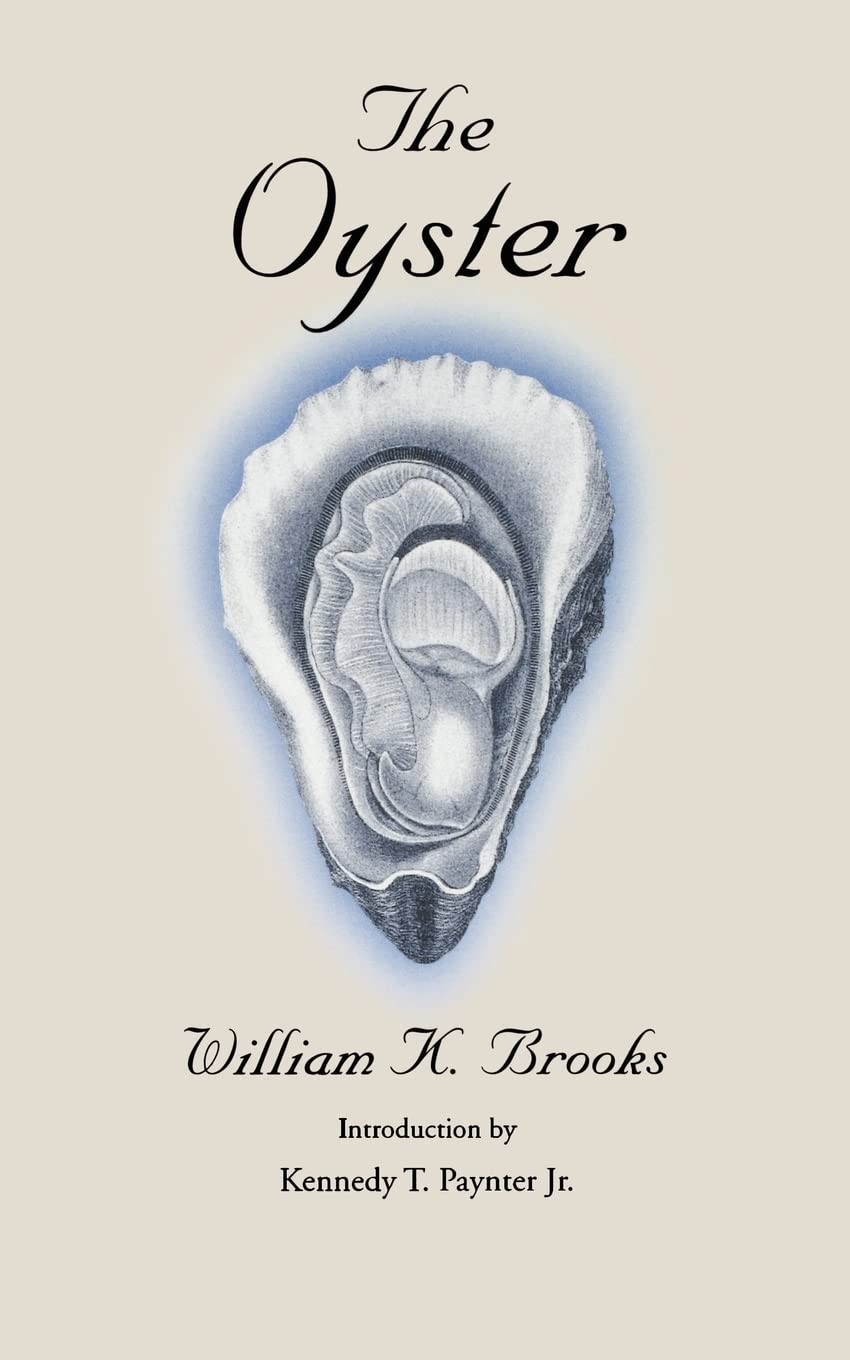



"We have wasted our inheritance by improvidence and mismanagement."—William K. Brooks, on the Chesapeake Bay's declining oyster harvests, 1905 The Chesapeake Bay oyster has changed little, if at all, in the century since this popular book was published. But the oyster harvest has fallen to its lowest level on record—from 15 million bushels at the turn of the century to fewer than 100,000 bushels in 1993. What was once the most bountiful source of oysters in the world has become nearly exhausted. More than a century ago, explains Kennedy T. Paynter Jr. in the introduction to the present volume, scientist and Maryland state official William K. Brooks warned that this day would come. A classical morphologist by training, and one of the Johns Hopkins University's first and most distinguished faculty members, Brooks had "tonged oysters in five different states" when the governor of Maryland appointed him Oyster Commissioner in 1882. The Oyster , first published in 1891, is a popular scientific account of what he knew and what he learned on the job. After describing the basic biology of the oyster, Brooks discusses its tremendous reproductive capacity, what it eats, how it lives, why it thrives in the Bay, and what role it plays in the Bay's ecology. But The Oyster is more than a simple biology text. It is also a critical scientific review of oyster management in the Chesapeake Bay, commenting on and criticizing contemporary laws and regulatory practices—many of which are still in place today. The book is therefore as timely now as it was when first published. A new introduction from Kennedy T. Paynter Jr. brings the story into modern focus and again charges the reader with the responsibility of caring for the life of the Bay. Plump, nutritious, and there for the taking―until the oystermen of Chesapeake Bay got greedy. A century ago, William Brooks, university professor and oyster commissioner, warned of the coming calamity if the dredgers, tongmen, shuckers, packers, brokers, and dealers didn't lay off nature's larder and start farming oysters to meet the huge demand. His gem of a book, The Oyster , now reissued, sounded a timely warning. Few listened. ― New Scientist The Chesapeake Bay oyster has changed little, if at all, in the century since this popular book was published. But the oyster harvest has fallen to its lowest level on record - from 15 million bushels at the turn of the century to fewer than 100,000 bushels in 1993. What was once the most bountiful source of oysters in the world has become nearly exhausted. More than a century ago, explains Kennedy T. Paynter Jr. in a new introduction to this edition, scientist and Maryland state official William K. Brooks warned that this day would come. A classical morphologist by training, and one of the Johns Hopkins University's first and most distinguished faculty members, Brooks had "tonged oysters in five different states" when the governor of Maryland appointed him Oyster Commissioner in 1882. The Oyster, first published in 1891, is a popular scientific account of what he knew and what he learned on the job. After describing the basic biology of the oyster, Brooks discusses its tremendous reproductive capacity, what it eats, how it lives, why it thrives in the Bay, and what role it plays in the Bay's ecology. But The Oyster is more than a simple biology test. It is also a critical scientific review of oyster management in the Chesapeake Bay, commenting on and criticizing contemporary laws and regulatory practices - many of which are still in place today. William K. Brooks was the first Walters Professor of Zoology and director of the biological laboratory at the Johns Hopkins University. He served as oyster commissioner of the State of Maryland in the early 1880s. Used Book in Good Condition