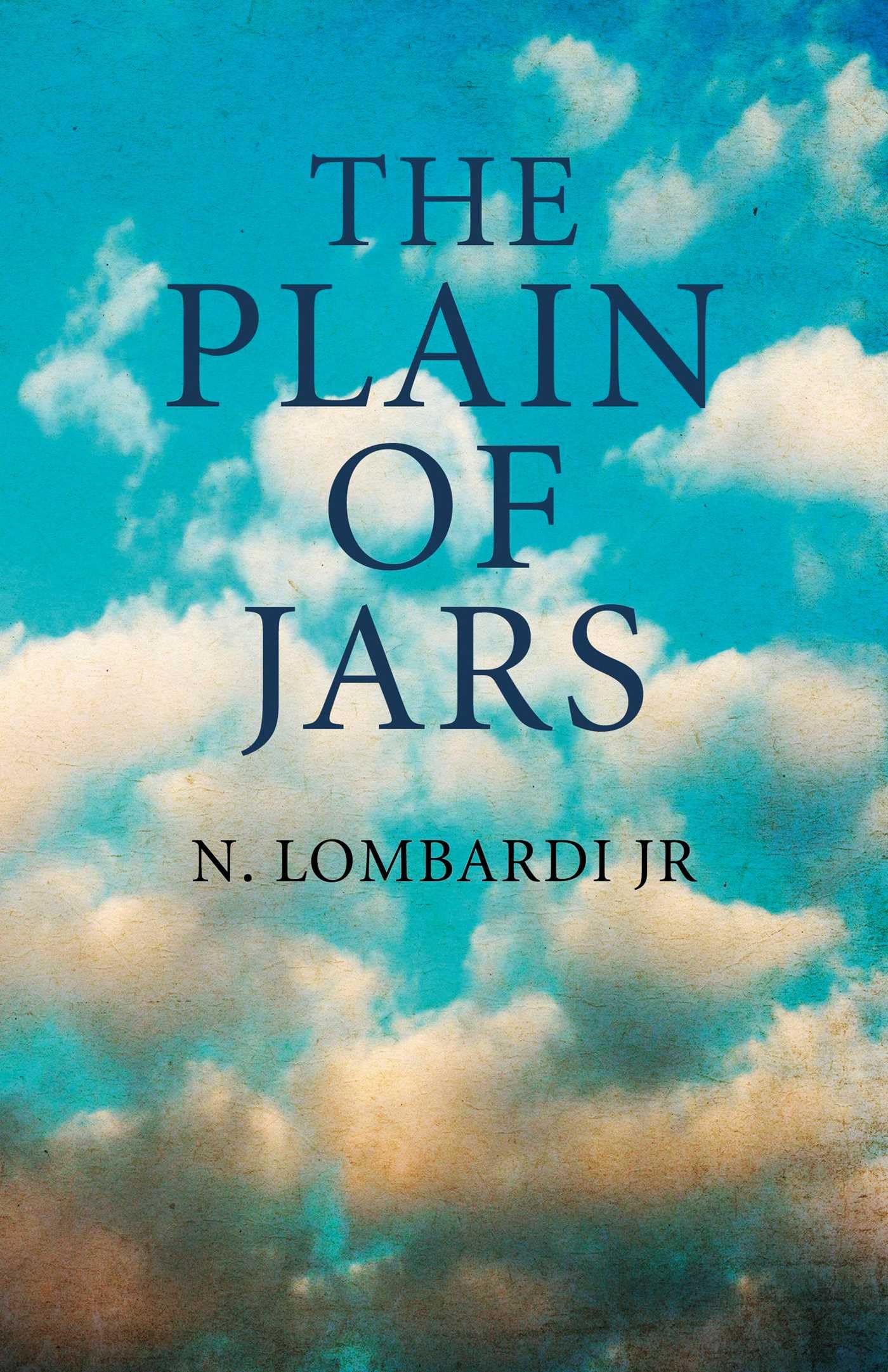



2014 Dayton Literary Peace Prize entry What would you do if you found that the bones and ashes you were given by the Air Force were not the remains of your loved one? Dorothy Kozeny, a 64-year-old widow from a small town in Ohio, after getting no answers from the relevant authorities, decides the only thing to do is to go to Laos herself to search for the truth concerning her son's fate. In 1990, accompanied by a trusted Laotian called Kampeng, Dorothy travels deep into the mountains of rural Laos, attempting to trace her son's path through inhospitable terrain, an unforgettable trek that provides her with a rewarding, often humorous, and at times frustrating, cross-cultural experience. All clues lead her to a mysterious figure, an alledged CIA operative left over from the war, living in a remote and hostile area deep in the jungle. The second part of the book traces the life of this enigmatic character hiding in Laos, the two main characters linked through Dorothy's son. The Plain of Jars is an engaging action adventure novel. N.Lombardi Jr. combined historical facts and fiction very nicely...It was a great way for me to learn more about the Vietnam war and how it affected both countries. The author expounded on this through the characters and intense writing. I thought he succeeded in displaying the actions and emotions of everyone, especially Dorothy. This enabled me to feel them too, and appreciate the intriguing twists and good ending. --Michelle Stanley for Readers' Favorite In 1995, I traveled to the Lao People's Democratic Republic for the first time, with the intention of networking for future opportunities as a water resources consultant. I was shocked to learn about the Secret War, and when I traveled into a rural village area and met with children wounded by buried cluster bombs, I decided there and then that upon my return I would educate myself. I read over 100 books and articles about the history and culture of Laos, and of course about the war. Very few of the latter accounts had an anti-war perspective; rather, the majority were mainly military histories - glorified accounts of battles on the ground, and the heroism of the Forward Air controllers. I'm sure such a point of view could be justified, but who is going to tell the other side of the story, the plight of the villagers who had their lives bombed out from under them, and the munitions that persist to this day, still causing the deaths of the innocent? Laos is one of the poorest countries in the world, with people celebrated for their passive and benevolent nature, but in spite of that, it also has the dubious distinction of being the most heavily bombed country in history. Yet no war was ever declared on Laos! The infiltration of the Ho Chi Minh trail by North Vietnamese troops in the central-southern border area with Vietnam, has often been cited as the rationale. But in the Plain of Jars, the objective was population removal, i.e. civilians and residential settlements were deliberately targeted to empty the Plain of Jars of all human (and non-human) habitation. I found it hard to accept that the US government could perpetrate such a cruel and barbaric policy.Despite all that I read, with only a few exceptions that were written in the late 60's (e.g. Fred Branfman's Voices from the Plain of Jars), no one seemed to be telling this story. I decided that I would write a novel, an entertaining action adventure story that would educate as well, and that could reach a mainstream audience for general distribution. To make the story entertaining, and yet faithful to the historical context, required weaving a tale based on many factual events, such as the scandal at the Central Laboratory, the MIA scams, the development of the F-111(the prototype 'smart jet that spawned a new generation of high tech fighter planes), and the nature of the ground war. At the same time, an accurate and discerning picture of Laotian village life was also necessary to fill in the other side of the story. Originally from Toronto, Nick Lombardi has spent over half his life in Africa, Asia, and the Middle East, and can speak five languages. Nick now lives in Phnom Penh, Cambodia Author Nick Lombardi Jr. has spent over half his life in Africa, Asia, and the Middle East, and he speaks five languages. He is the author of Journey Towards a Falling Sun and Plain of Jars, both published by Roundfire. An event in California in 2011 in which a homeless man was beaten to death lead Nick to write his newest novel, Justice Gone. Nick now lives in Phnom Penh, Cambodia.