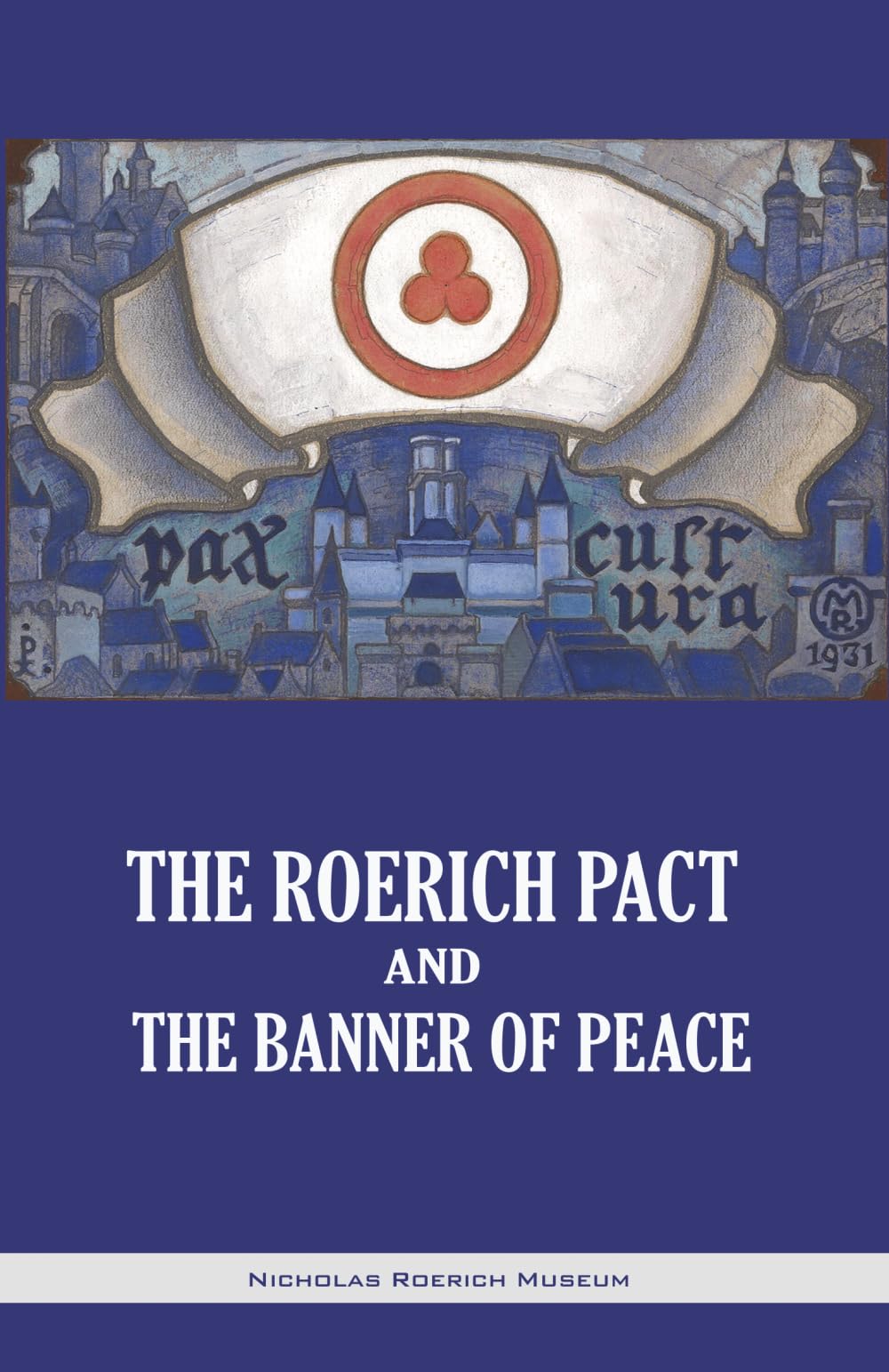



The Roerich Pact and the Banner of Peace were created and promulgated by Nicholas Roerich for the protection of the treasures of human genius. The Pact provides that educational, artistic, religious, and scientific institutions, as well as sites of cultural significance, be respected and deemed inviolable by all nations in times of war and peace. On April 15, 1935, the Roerich Pact was signed in the White House by representatives of twenty-one Governments of North, Central, and South America, with President Franklin D. Roosevelt in attendance. In the aftermath of World War II, the Roerich Pact has served as a basis for international treaties to protect cultural institutions and treasures. More recently, growing awareness of the significance of culture and concern about its irreplaceable loss are bringing renewed attention to Roerich's ideas and concrete measures to defend it. His message, his art, and his personal example continue to remind people worldwide that nothing is of greater value to a nation than its culture.