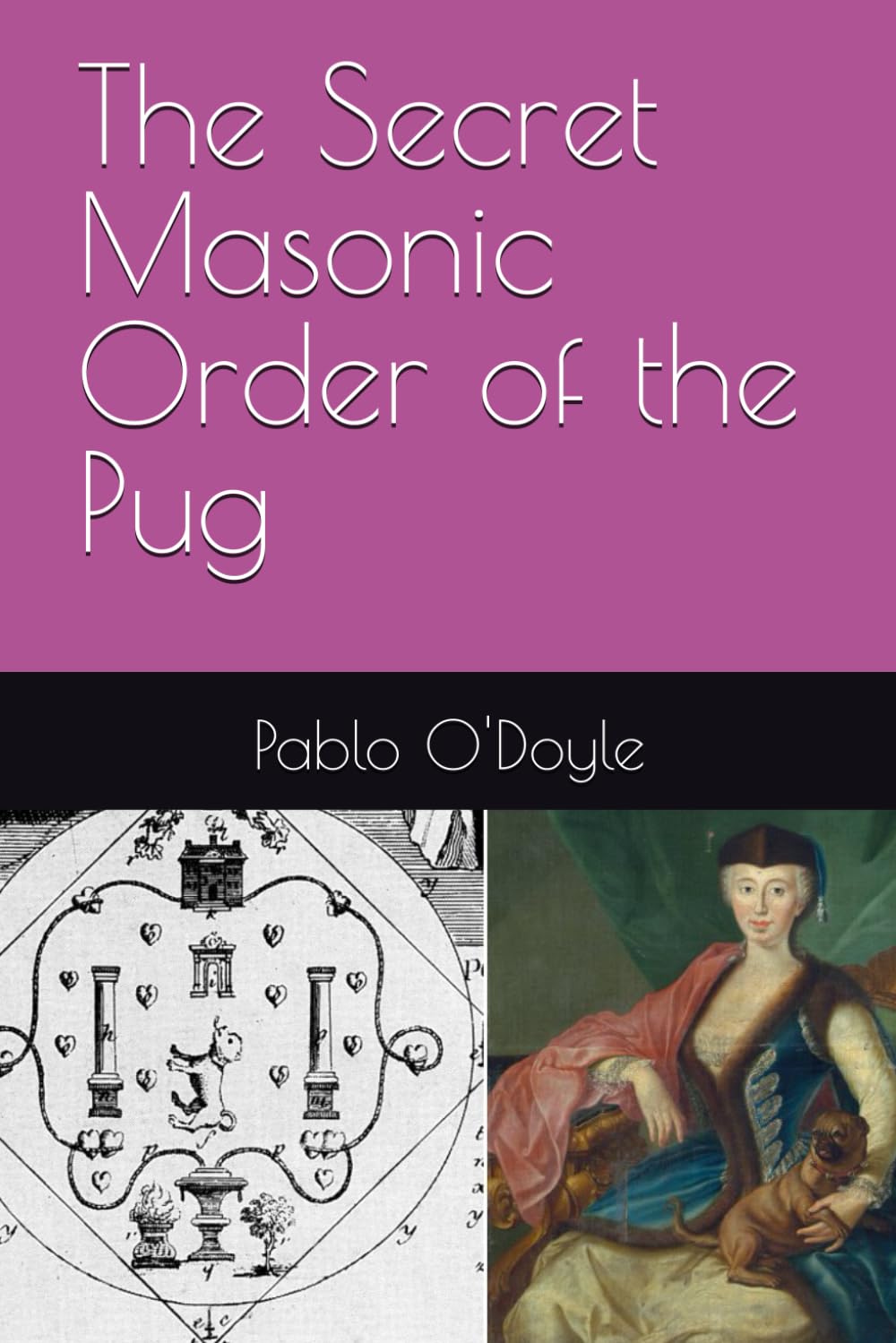



The Secret Masonic Order of the Pug In 1738, as Europe buzzed with Enlightenment ideas about reason and human equality, a most unusual secret society emerged from the shadows of Catholic aristocracy. The Order of the Pug conducted elaborate rituals involving dog collars, barking ceremonies, and porcelain figurines—but beneath this theatrical absurdity lay one of history's most sophisticated experiments in gender equality and collaborative governance. Founded by a German Archbishop-Elector, this clandestine brotherhood created something unprecedented: a society where men and women shared leadership equally, rotating authority every six months in a system that proved remarkably effective. While Europe's greatest philosophers debated women's capabilities in theory, the Order demonstrated them in practice, developing innovative approaches to collaborative decision-making that wouldn't appear in mainstream society for centuries. Their satirical rituals served as protective camouflage, allowing radical social experimentation to flourish within hostile religious and political environments. For nearly a decade, they built international networks spanning Catholic Europe, influencing business relationships and cultural attitudes through carefully maintained secrecy. Then a single book destroyed everything. This is the untold story of visionary social innovation, the power of strategic ambiguity, and how history's most progressive community was betrayed by exposure—offering timeless lessons about resistance, collaboration, and the ongoing struggle for human equality.