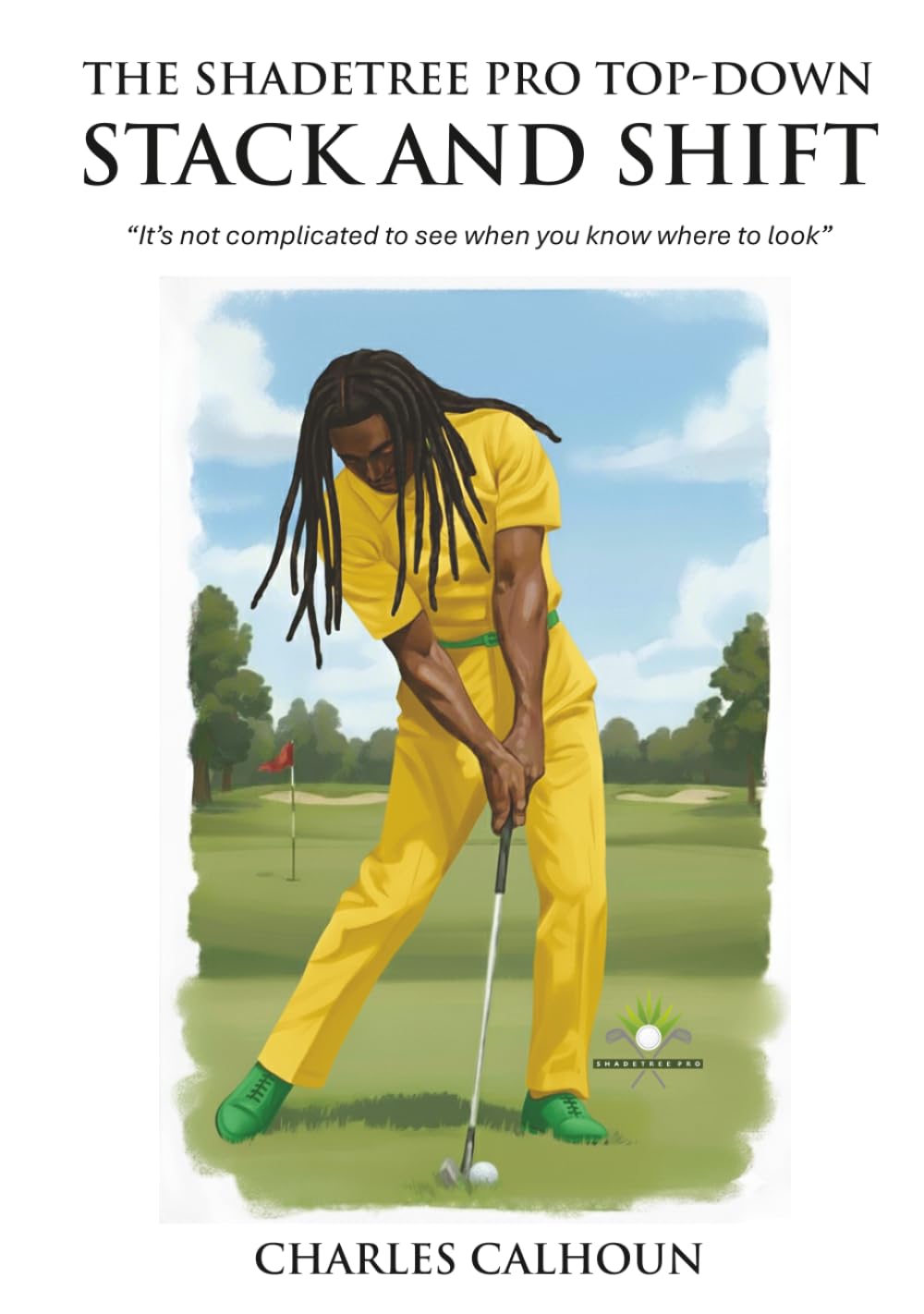



The Top-Down Stack and Shift Golf Swing offers the reader a fundamentally different lens through which to understand motion—by organizing the swing through the interaction of the Three Bodies: the upper body (arms and shoulder structure), the middle body (torso and thighs), and the lower body (everything below the knees). In this model, the upper body serves as the governing force, establishing direction, structure, and intent, while the middle and lower bodies respond in sequence. Readers should expect to move away from the traditional ground-up concept, where the lower body is often emphasized as the initiator. While that model focuses on generating force from the ground, it frequently creates disconnection, timing issues, and compensatory movements. In contrast, the Top-Down approach establishes order first—allowing force to emerge naturally from proper sequencing rather than forced effort. This perspective clarifies how the lead arm organizes the motion, how the middle body—the torso and thighs—supports and transfers energy, and how the lower body stabilizes and reacts rather than dominates. The Stack and Shift becomes a byproduct of this structure, not a forced lateral move. Ultimately, the reader should expect a clearer cause-and-effect understanding of the swing—one that replaces confusion with structure, and effort with efficiency, by allowing the Three Bodies to function in harmony under Top-Down control.