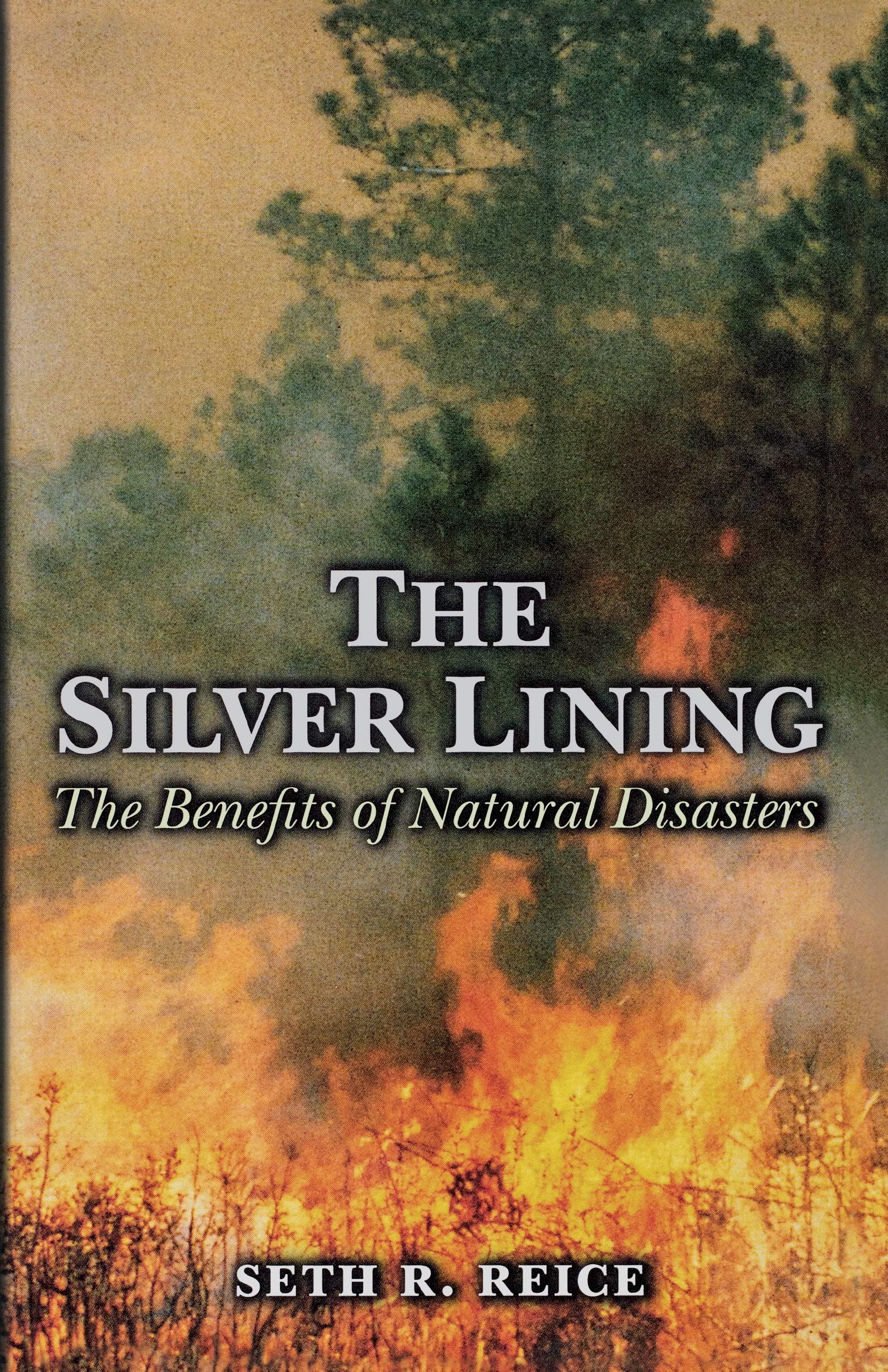



Floods, fires, volcanic eruptions, earthquakes, hurricanes--we are quick to call them ''natural disasters.'' But are they? Did the great fires that swept Yellowstone in 1988 devastate the park, or did they just ravage our image of the park as a fixed, unchanging national treasure? This lucid, lively book reveals the shortsightedness behind conceiving of such events as disastrous to nature. Indeed, Seth Reice contends, such thinking has led to policies that have done the environment more harm than good--the U.S. Forest Service's campaign against natural forest fires and the Army Corps of Engineers' flood prevention program are examples. He points out ways in which we can better address the wide range of environmental problems humanity faces at the dawn of the new millennium. Reice argues, in terms refreshingly nontechnical yet scientifically sound, that the traditional, equilibrium paradigm--according to which ''stability'' produces healthier ecosystems than does sudden, sweeping change--is fundamentally flawed. He describes a radically different model of how nature operates, one that many ecologists and population biologists have come to understand in recent years: a concept founded on the premise that disturbances help create and maintain the biodiversity that benefits both the ecosystem and ourselves. Reice demonstrates that ecosystems need disturbances to accomplish indispensable tasks such as the production of clean air and water. He recommends changes in environmental management to incorporate the essential role of natural disturbances. This book shows that every tornado's funnel cloud, every forest fire's billowing cloud of smoke, has tremendous benefits for the ecosystem it impacts. As anyone concerned with man's impact on the environment will appreciate, this is the cloud's real silver lining. With the growing realization that controlling fire and flood can unintentionally exacerbate the fire or flood that inevitably occurs (as in Yellowstone in 1988 or on the Mississippi in 1993), a new model of ecology has come into favor. Biologist Reice calls this model "non-equilibrium dynamics," which in plain English means let the fire burn, the river flood, and the wind blow, because such disturbances promote biodiversity. In this pithy, nontechnical work filled with interesting examples, Reice discusses how populations such as fish, insects, and trees respond to changing environments on a microscale and why without regular change the richness of species fades. His clear discussion of how a disturbed area is recolonized will engage the ecology-minded reader, as will Reice's explanation of how roads, agriculture, and dams can have deleterious effects on streams and the creatures they support. Arguing that an ecosystem provides "services," Reice describes where this new model of ecology has been adopted and how it might influence land-use policy elsewhere in the country. A well-presented combination of science and advocacy. Gilbert Taylor Copyright © American Library Association. All rights reserved "[This] book is engaging, and its message is important: our national parks will never be outdoor museums; nature's nature is change." ---Christine Kenneally, The New York Times Book Review "A valuable addition to the growing body of nontechnical works that bridge the gap between scientists and a public increasingly savvy about natural resource issues." ---Thomas Good, American Scientist "Reice has succeeded here in making the case for major policy changes in environmental management." ― Wildlife Activist "[A] pithy, nontechnical work filled with interesting examples. . . . A well-presented combination of science and advocacy" ― Booklist "In a narrative style reflecting a strong personal commitment to and belief in conservation, Reice offers an overview of the history, evolution, and current trends in disturbance ecology interlaced with his personal philosophies and policy recommendations. . . . His convictions and commitment to conservation are described with clarity and passion, drawing on personal and research experience." ---Chandra Heaton, Ecological Engineering "Must reading for ecologists." ― Choice " The Silver Lining is well structured, straightforward and highly readable. . . . Reice's blend of pertinent ecological theory, well-chosen case studies, and personal observation is likely to appeal to most environmentally conscious readers." ― Science Books & Films "Seth Reice melds his own, original work on non-equilibrium ecology with a good basic introduction to community ecology and current, very important issues in conservation ecology/biodiversity. The book is highly accessible, and the chapters on fire and floods are brilliant." ―Niles Eldredge, American Museum of Natural History "This book fills a vacant niche, as most of the literature on sustainable development comes from economists, social scientists, or resource managers and does a very poor job addressing the pertinent