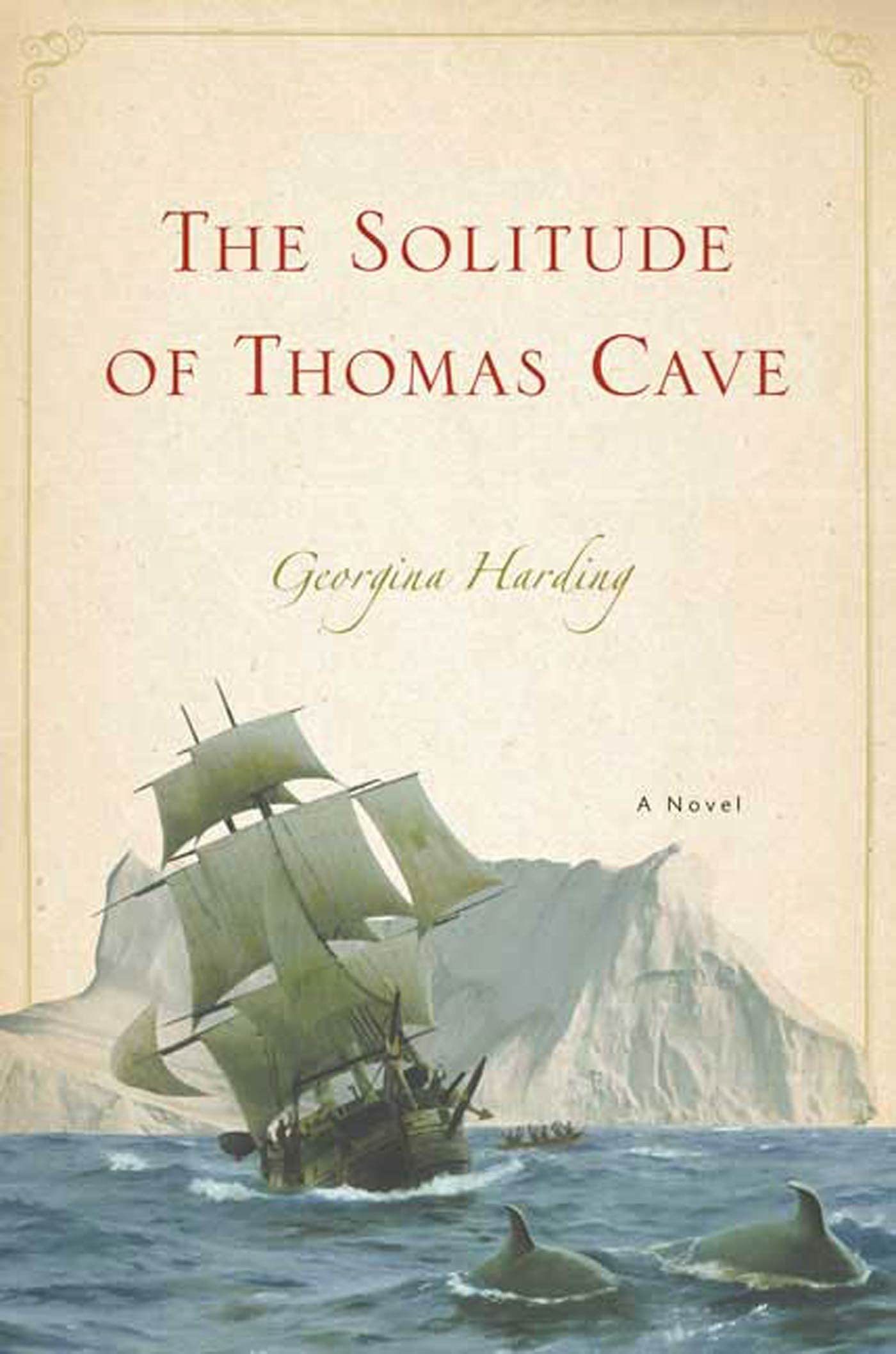



In 1616, as the last warm days dwindle in the north Atlantic, the men on an English whaling ship prepare to head back toward home. But there is one exception among them: the quiet, headstrong Thomas Cave. For Cave has bet the rest of the crew that he can spend a winter on this Arctic island. Alone. His shipmates sail away, the days shorten, and the cold weather moves in. Thomas Cave faces months of darkness, ice, and blizzards. He has nothing to his name except his rations, shelter, and a journal―a record in case he doesn't survive to tell his story. But nothing so threatens the willful sailor as his own mind: he is haunted by the remembrances of another life and a lost love. From his post at the edge of the known world, Cave sees his own past, and begins to reflect on man's relationship with God and the wilderness. A beautiful, ghostly tale, The Solitude of Thomas Cave brings us back to the beginning of the modern world, in a story infused with the violence, power and beauty that define both man and nature. Adult/High School—Readers who grew up enjoying Gary Paulsen and Will Hobbs will appreciate this compelling survival story. Thomas Cave, a 17th-century English whaler, accepts a dare from his shipmates to spend the winter alone in Greenland. The novel is divided into three parts, beginning with a first-person narrative by Tom Goodlard, a teenager and Cave's only friend on the whaling ship Heartsease . An omniscient narrator takes over in part two, combining a suspenseful story of physical survival with flashbacks to Cave's family life in Copenhagen. While he struggles to endure the cold, dark days and record the practicalities of his survival in a journal, Cave is haunted by memories and mirages of his wife and her ill-fated pregnancy. He finally realizes he must face his grief before he can overcome his despair. Goodlard narrates the final portion of the book, relating the Heartsease 's return to Greenland and reunion with Thomas Cave. The Arctic setting is integral to the story, and Harding's clear and evocative prose allows readers to see the beauty of a stark winter there, yet feel the pain of an isolated existence in frigid conditions. This first novel will spark discussion along several themes: the relationship between humans and the natural world, human reactions to tragedy and loss, and the nature of personal relationships. Although Cave survives the physical trial, this is not a "happily ever after" book, and the ending is thought-provoking and realistic.— Sondra VanderPloeg, Tracy Memorial Library, New London, NH Copyright © Reed Business Information, a division of Reed Elsevier Inc. All rights reserved. It's man versus nature in this tautly spun morality piece. Experienced whaler Thomas Cave accepts an ill-advised bet that he cannot survive the winter alone on the virtually uninhabited island of Greenland in 1616. As he watches his ship sail away, the utter desolation of the barren landscape sets in. Still, his time alone offers plenty of opportunity for reflection and, ultimately, for redemption. As Cave attempts to endure in a bleakly hostile environment, his daily struggle is juxtaposed with scenes from his past that continue to haunt him. When his shipmates return, they find that his year of solitude has had a transformative effect upon the Thomas they knew. No longer merely a creature of simple earthly passions, he has evolved into a more spiritually enlightened human being. This bleakly evocative journey is well worth the trip. Margaret Flanagan Copyright © American Library Association. All rights reserved “A bewitching ghost story, beautifully told. The Solitude of Thomas Cave is written with the clarity of poetry, and the simple weight of a parable. I loved this book.” ― Katie Hickman, author of the bestselling Daughters of Britannia “Readers who grew up enjoying Gary Paulsen and Will Hobbs will appreciate this compelling survival story….This first novel will spark discussion along several themes: the relationship between humans and the natural world, human reactions to tragedy and loss, and the nature of personal relationships.” ― School Library Journal Reviews Georgina Harding is the author of two works of non-fiction: Tranquebar: A Season in South India and In Another Europe . She lives in Colchester, England. This is her first novel.