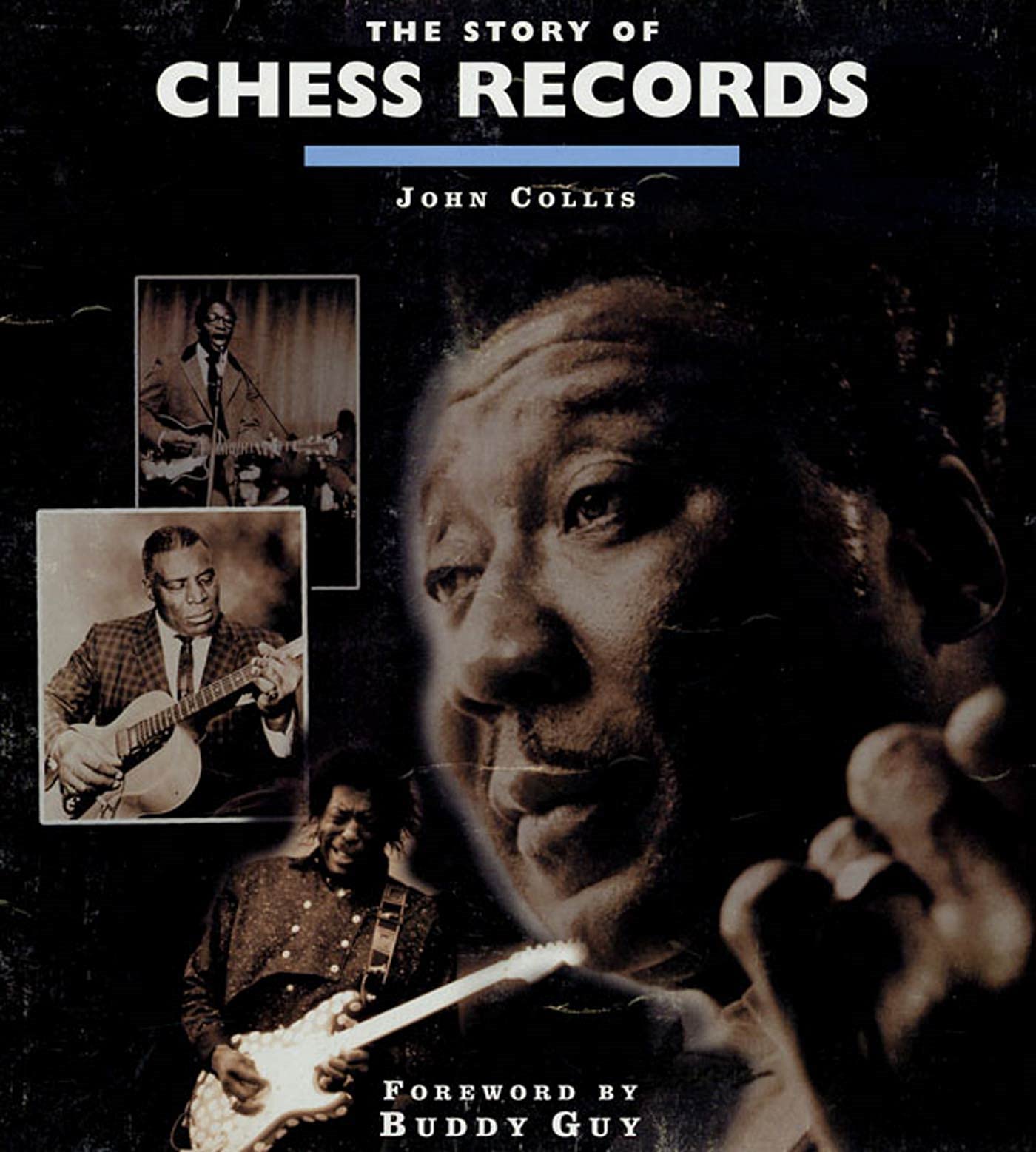



If one man can be credited with creating the language of rock 'n' roll it is Chuck Berry. In the early 1950's he was just an ambitious Nat "King" Cole imitator gigging in St Louis, but ten years after moving to Chicago and cutting is first hit, "Maybelline", in 1955, he built a catalogue of classics that inspired the Beatles, the Rolling Stones, and every rock musician since. Meanwhile his Chicago rival Bo Diddley, the earthiest and arguably the most exciting of the rock 'n' roll performers, was reminding us that this music was just a step away from the blues. Although he was raised in Chicago, his music was a bizarre, electric version of the blues of his birthplace, Mississippi. Between them Chuck and Bo caused a revolution in Chicago blues, hitherto largely unknown to white America and the mass market. Both were signed to Chess Records, established by Eastern European immigrants, the Chess brothers, who provided the shop window for Chicago bluesmen, while also conforming to a now all-too-familiar pattern, as white entrepreneurs exploiting black talent. Chess Records both examines the subject of exploitation within the record business and celebrated the music of two unique and important artists and the extraordinarily fertile blues environment out of which they grew. One of the enduring legends of the music business is the record company honcho, huge cigar clenched in his teeth, signing the naive country boy to a one-sided contract. The problem with this cliche is that usually a small, independent label has been the company out there beating the bushes for new talent and fresh trends. No label exemplifies this better than Chess Records. When Chess released a record in 1950 by an unknown (to white audiences anyway) blues singer named Muddy Waters, an empire was born, built on the foundation of blues and later rock'n'roll. Some of the greatest names in both genres recorded for Chess, from Howlin' Wolf to Chuck Berry to Bo Diddley to Buddy Guy. But along with the musical success came the almost inevitable charges of withholding royalties from artists. Freelancer Collis includes a liberal sprinkling of vintage photos to break up a sometimes overwhelming catalog of artists and hits. Chess was not the only trailblazing record label; in Little Labels?Big Sound we get a rundown of ten of the best, featuring such labels as Dial Records, instrumental in starting the bebop revolution with Charlie Parker, and Sun Records, which jump-started rock'n'roll by recording Elvis Presley, Jerry Lee Lewis, and Carl Perkins. Journalists Kennedy and McNutt have produced an extensively researched look at a time when primitive recording equipment was the standard and hunger for a quick buck was the rule. A guide to reissue anthologies for each of the labels covered is an added treat. Both books are recommended for music libraries.?Dan Bogey, Clearfield Cty. P.L. Federation, Curwensville, PA Copyright 1999 Reed Business Information, Inc. John Collis is a freelance writer whose recent books include V an Morrison: Inarticulate Speech of the Heart, and The Blues: Its Roots and Inspirations . He lives in London, England. Used Book in Good Condition