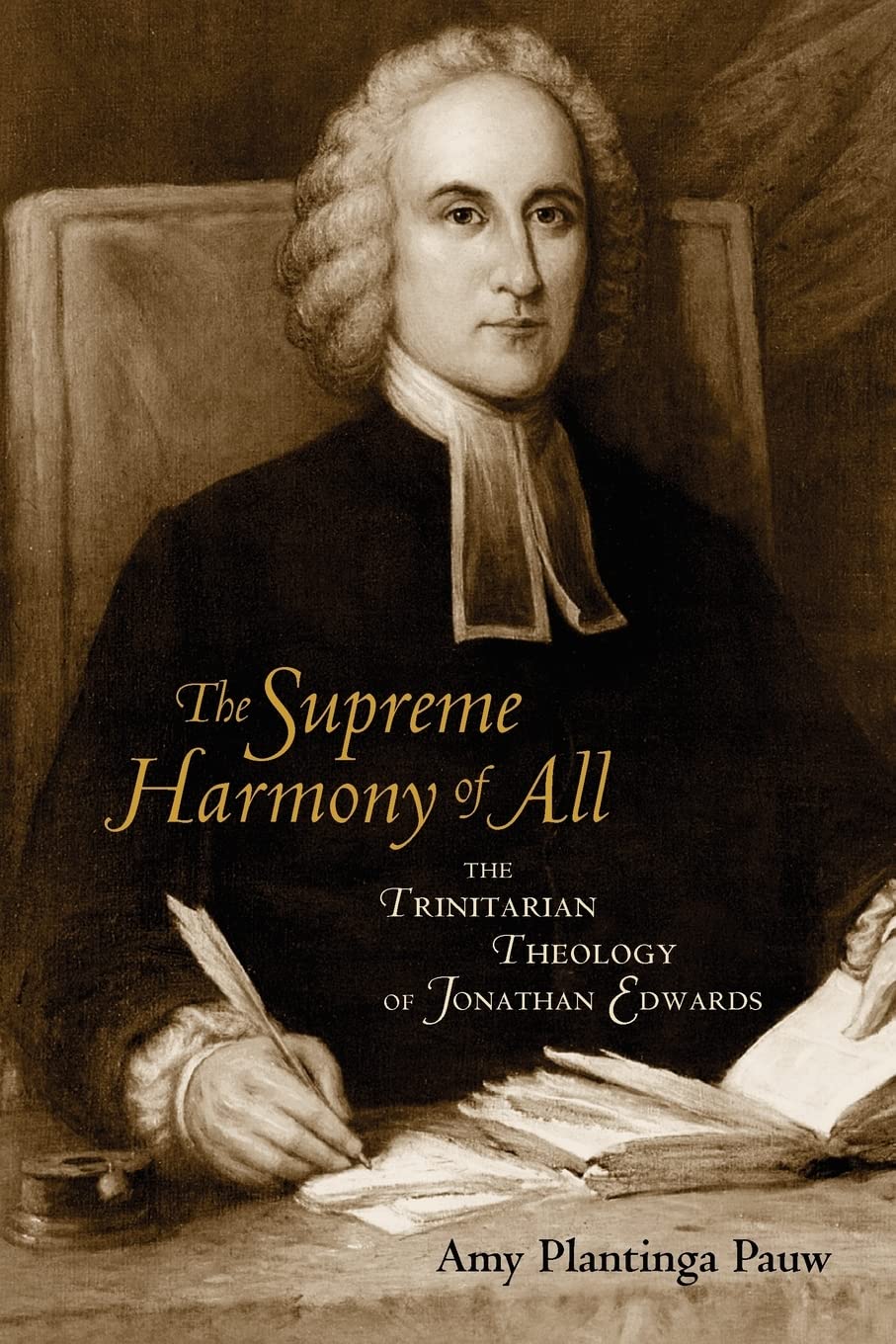
The Supreme Harmony of All: The Trinitarian Theology of Jonathan Edwards
$12.61
by Mrs. Amy Plantinga Pauw



Jonathan Edwards lived in an age in which the doctrine of the Trinity was sometimes openly repudiated and more often quietly ignored. But as this important book shows, Edwards in fact took care to creatively fashion the Trinity into the centerpiece of his Christian life and work. Through her pursuit of Edwards's writings, especially his lifelong intellectual diary, Amy Plantinga Pauw traces the way Edwards established the basic outlines of his trinitarian thought when he was only twenty years old, and how the doctrine continued to run like a subterranean river throughout his famed career as a pastor and teacher. Recognizing the centrality of the Trinity in Edwards's thought both nuances our understanding of his Puritan inheritance and challenges the narrowness of Edwards's enduring legacy as the preacher of "Sinners in the Hands of an Angry God." Jonathan Edwards lived in an age in which the doctrine of theTrinity was sometimes openly repudiated and more often quietlyignored. But as this important book shows, Edwards in fact tookcare to creatively fashion the Trinity into the centerpiece of hisChristian life and work. Through her pursuit of Edwards's writings, especially his lifelongintellectual diary, Amy Plantinga Pauw traces the way Edwardsestablished the basic outlines of his trinitarian thought when hewas only twenty years old, and how the doctrine continued to runlike a subterranean river throughout his famed career as a pastorand teacher. Recognizing the centrality of the Trinity in Edwards'sthought both nuances our understanding of his Puritan inheritanceand challenges the narrowness of Edwards's enduring legacy as thepreacher of "Sinners in the Hands of an Angry God." Amy Plantinga Pauw is the Henry P. Mobley Jr. Professor of Doctrinal Theology at Louisville Presbyterian Theological Seminary.