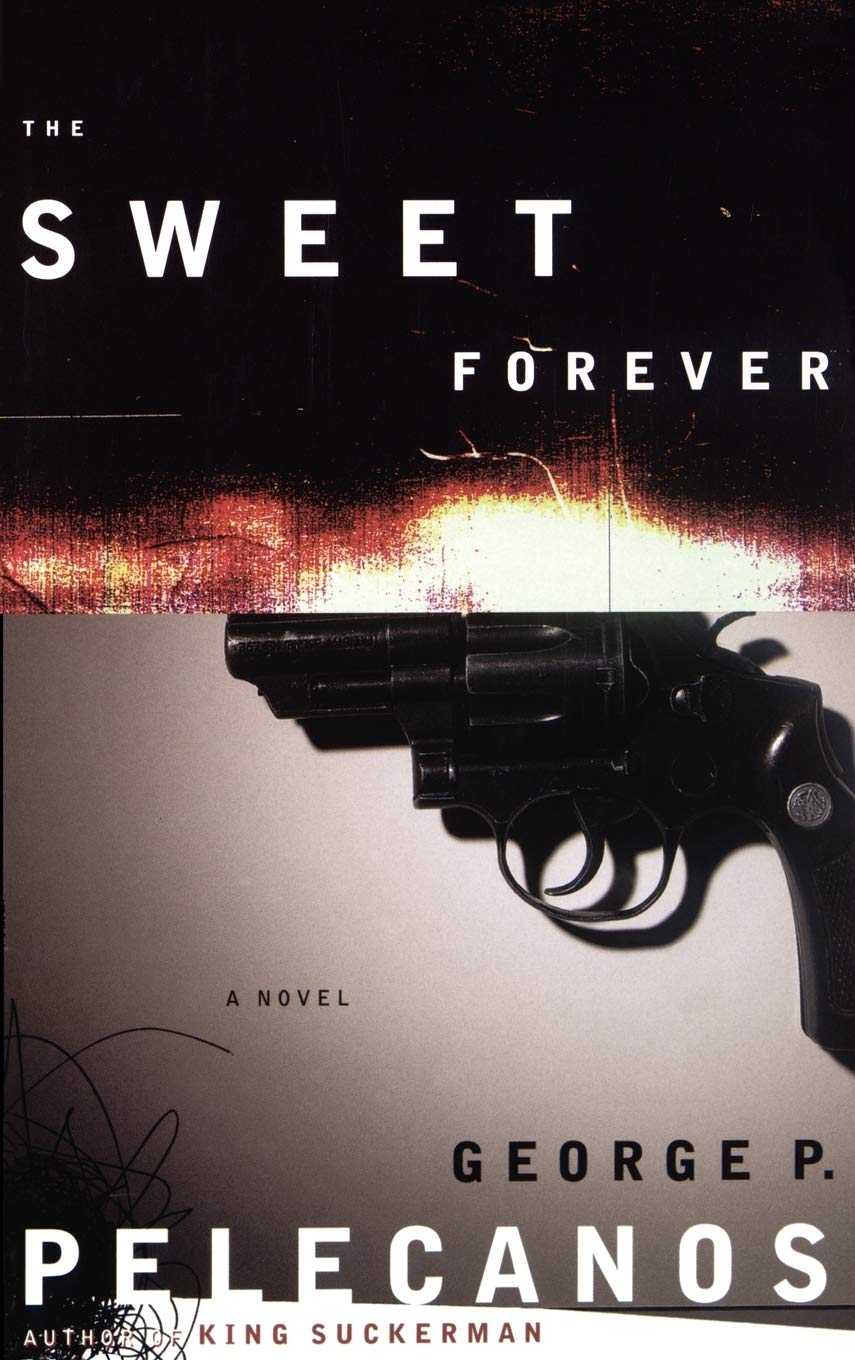



One of the 1990s' rising stars of crime fiction delivers a bold, brilliant tale of mystery, revenge, and survival in the 1980s, when cocaine and money ruled the city streets and even the good guys wanted a piece of the action. George P. Pelecanos's latest book is not only a tremendously detailed and emotionally powerful crime novel but also a virtual compendium and update of his other excellent novels that are all similarly rooted in the nonpolitical neighborhoods of Washington, D.C. Brought back for major roles are Marcus Clay, Dimitri Karras, and other important players from King Suckerman . There are poignant cameos by Randolph of Shoedog as well as the two Nick Stefanos--grandfather and grandson--from The Big Blowdown , A Firing Offense , Down by the River Where the Dead Men Go , and Nick's Trip . As always, Pelecanos uses jabs of pop music, basketball, clothes, and cars to quickly root us in time and place. It's 1986, 10 years after the Bicentennial events of King Suckerman , so a woman in her 30s wears a Susanna Hoffs-style haircut "from the cover of the 'All Over the Place' album, not the redone look off the new LP." Dimitri, after a brief career as a teacher, is now working full-time for his friend Marcus's expanded chain of four Real Right record stores; he drives a BMW 325 and wears his graying hair moussed and spiked. (He also snorts more cocaine than Al Pacino did in Scarface , one of several films used as icons here.) The doomed basketball star Len Bias--just finishing his college career and about to sign a huge deal with the Boston Celtics--is on TV screens everywhere, admired equally by the former local hoops hero Clay and a conflicted cop named Kevin Murphy who has misplaced his moral compass. The complicated, satisfying plot involves $25,000 stolen from a drug dealer; several children in peril; smart adults who screw up their lives in dumb ways; and the speed with which violence festers and explodes in unexpected directions. --Dick Adler Dirty cops, drug money, racism, violence, and sex all mar 1980s Washington, D.C. When a neighborhood drug dealer's collection man crashes and burns in front of Marcus Clay's record store, an opportunist makes off with the guy's sack of cash. The drug dealer and associates will try anything to get the money back, including threatening Clay and employees, one of whom, coke-happy Dimitri Karras (last seen in King Suckerman, LJ 8/97), knows what happened to the cash. Lots of street action, adroit juxtapositioning of good and evil characters, and raw action make this a good choice for larger collections. Copyright 1998 Reed Business Information, Inc. Marcus Clay and Dimitri Karras want very much to mind their own business, but that's not the way their karmas crumble, as Pelecanos makes clear in this rousing, raunchy sequel to King Suckerman (1997). The business these two friends want to mind is a small but growing retail record operationfour stores in and around Washington, D.C (actually, it's Clay's business, and Karras, still flush with a legacy from his mother, is content to work for his longtime friend). Its the in-town store thats giving them headaches. Located at the epicenter of D.C.s cocaine ghetto, it looks out onto a vista fraught with mean-street nastiness, some of which is downright dangerous even just to witness. On a blustery winter night, a case in point involves the pilfering of a pillowcase full of money scheduled for delivery to Tyrell Cleveland, the area's CEO of drug enterprises. This multitalented leader of the new hedonists is as heartless as he is entrepreneurial. To mess with him is to invite serious hurt, leading as often as not to shortness of life, terms of doing business that conditions Clay and Karras can accept as sufficient deterrent to their getting involved. On the other hand, two 12-year-old kids have just been gunned down by Cleveland cohorts, and neither Clay nor Karras can happily accept thatdoing so is neither in their genes nor in those bothersome karmas, and so the stage is set for show-downs and shoot-outs. You can see them coming a mile away, but its terrifically satisfying to watch how it all works out. A castmostly blackthats treated painstakingly, so even the bad guys have dimension and believability (the good guys have character and dignity). Still, the violence-averse should probably give a pass to this otherwise almost compulsively readable entertainer. -- Copyright ©1998, Kirkus Associates, LP. All rights reserved. Out of sight (and well out of mind) of Capital Hill, the black ghettos of Washington are like combat zones in George P. Pelecanos's nerve-shattering-novels. Venture onto this turf and you stand to lose life, limb and all self-respect, either to the drug dealers who own these Godforsaken streets or to the corrupt cops who carry their bags for a piece of the actions. Set in that wedge of time in 1986 before crack cocaine hit town, and picking up the adventure of those best friends Marcus Cla