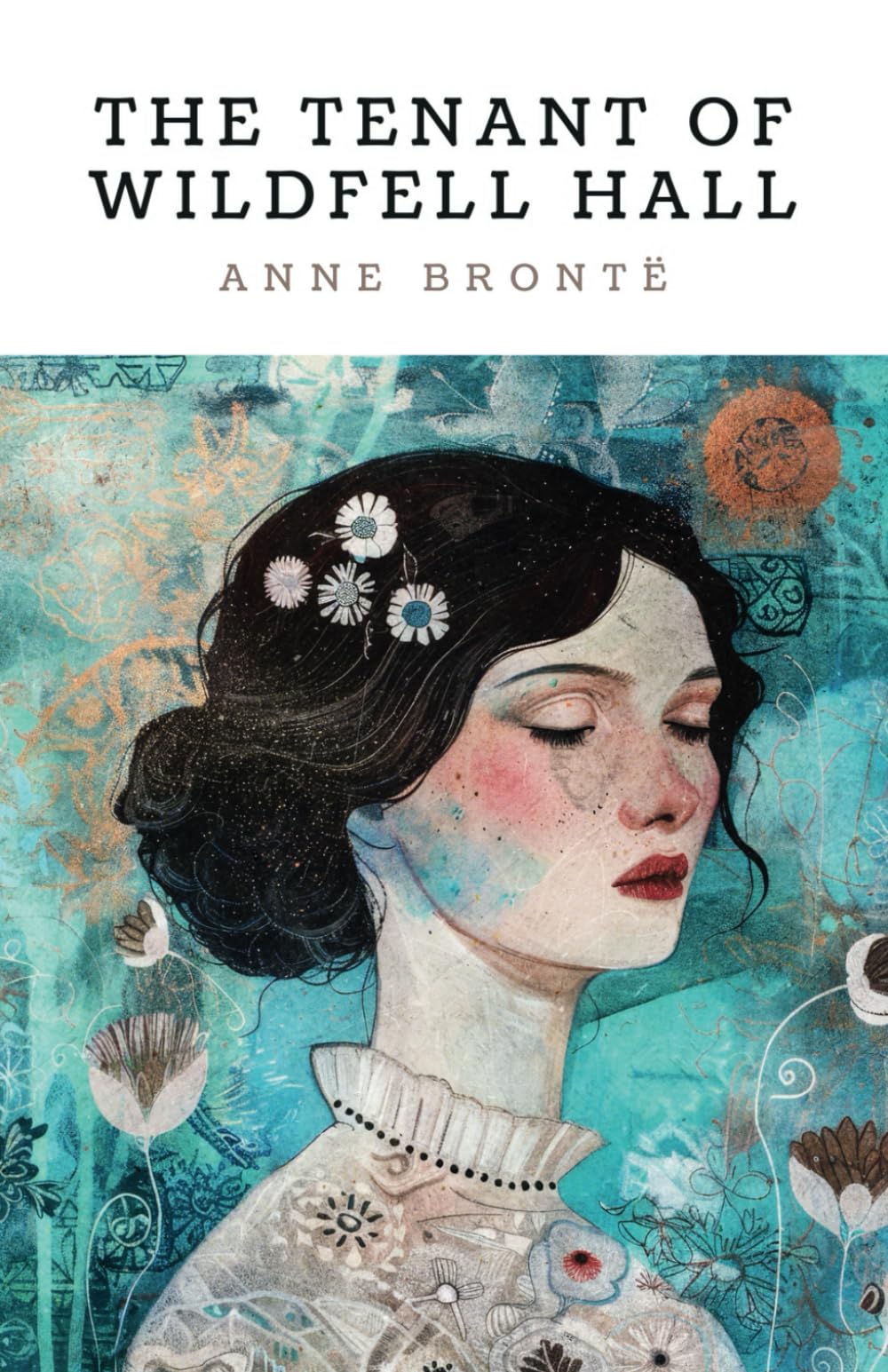
The Tenant of Wildfell Hall: Anne Brontë’s second and final novel (Annotated)
$12.50
by Anne Brontë



Unique Elements Historical Context - Detailed 19th Century Historical Map “His heart was like a sensitive plant, that opens for a moment in the sunshine, but curls up and shrinks into itself at the slightest touch of the finger, or the lightest breath of wind.” The Tenant of Wildfell Hall is the second and final novel written by English author Anne Brontë first published in 1848 under the pseudonym Acton Bell. This epistolary novel presents the story of young Helen Graham’s catastrophic marriage to the dashing drunkard Arthur Huntingdon and her escape from him to the seclusion of Wildfell Hall. Told with great immediacy, combined with humour and irony, The Tenant of Wildfell Hall is a powerful representation of a woman's struggle for domestic independence and creative freedom. Synopsis The story is told through a series of letters from Gilbert Markham to a friend about the encounter with a mystery young widow who goes by the name of Helen Graham and shows up at Wildfell Hall, an abandoned Elizabethan manor, with her young son and a servant. In contrast to early 19th-century traditions, she pursues a profession as an artist and makes an income by selling her pictures. She quickly becomes a social outcast as a result of her strict seclusion, which quickly sparks rumours in the nearby town. Gilbert, who refuses to believe the rumours, make an effort to get to know her better and learn more about her past.