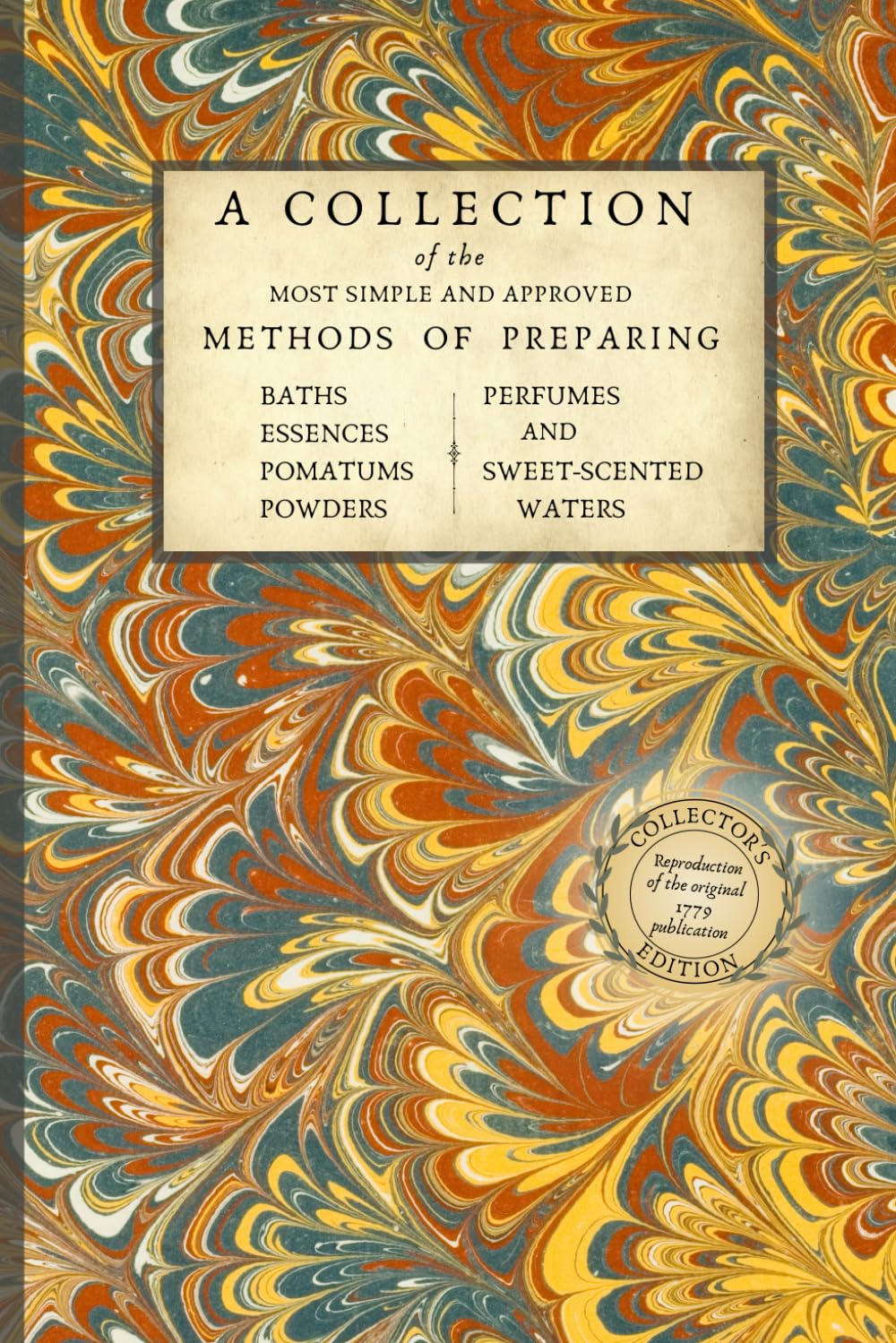
The Toilet of Flora (Reproduction of the Original 1779 Publication, Collector's Edition): A Collection Of The Most Simple And Approved Methods Of ...
$24.99
by Pierre-Joseph Buc'hoz



Perfume is proof of our desire to capture nature in a bottle. It is the perfect marriage of art and ingenuity – offering an ethereal gaze into a far-away garden or a whispered secret in a moonlit grove. It has the power to evoke memories and stir feelings of romance. Perfume is a silent signature, uniquely identifiable. For many, it is an invisible veil, inspiring confidence. The application of perfume is the most intimate act we do to care for ourselves. We use it to define who we are and how we want to be perceived. The recipes contained within this book are a window into the 18th century, an era of opulence and creativity, when perfumery was as much a science as it was an art. These recipes tell a story of their time, blending flora with exotic resins, and other rare botanicals. As captivating as these formulas are, it is vital to approach this resource as a historic record rather than a practical guide for modern use. Many of the ingredients listed here have restricted use - or are no longer available. Some are now considered to be unsafe or even toxic by today’s standards. Civet, musk, ambergris, and certain heavy metals, once prized for their unique olfactory qualities, are now either ethically problematic or prohibited for health and environmental reasons. Similarly, some recipes included here involve processes that could pose significant risks without proper training and the right equipment. Therefore this collection should be treasured as a snapshot of a bygone era, offering insights into the culture of 18th century perfume. This book provides a fascinating journey into the past. Each recipe reveals not only the technical skill of its creator, but also the values and aspirations of a world far removed from our own. As you read these pages, let them inspire your curiosity and deepen your appreciation for perfume history. Scents from the 18th century were bold and extravagant. They remind us of how far we have come and how much we owe to the artisans of the past. Perfumers today have built upon these foundations, and have transformed the art of perfume making with advancements in chemistry, sustainability, and safety. Enjoy this book as a tribute to the craft of perfumery, and an exploration of a time when fragrance was a luxury that spoke of power, passion, and place. May it spark your imagination while reminding you of the progress we’ve made in creating fragrances that are both beautiful and safe for today’s world. Rebecca Suerdieck, Perrin Cottage Perfumery