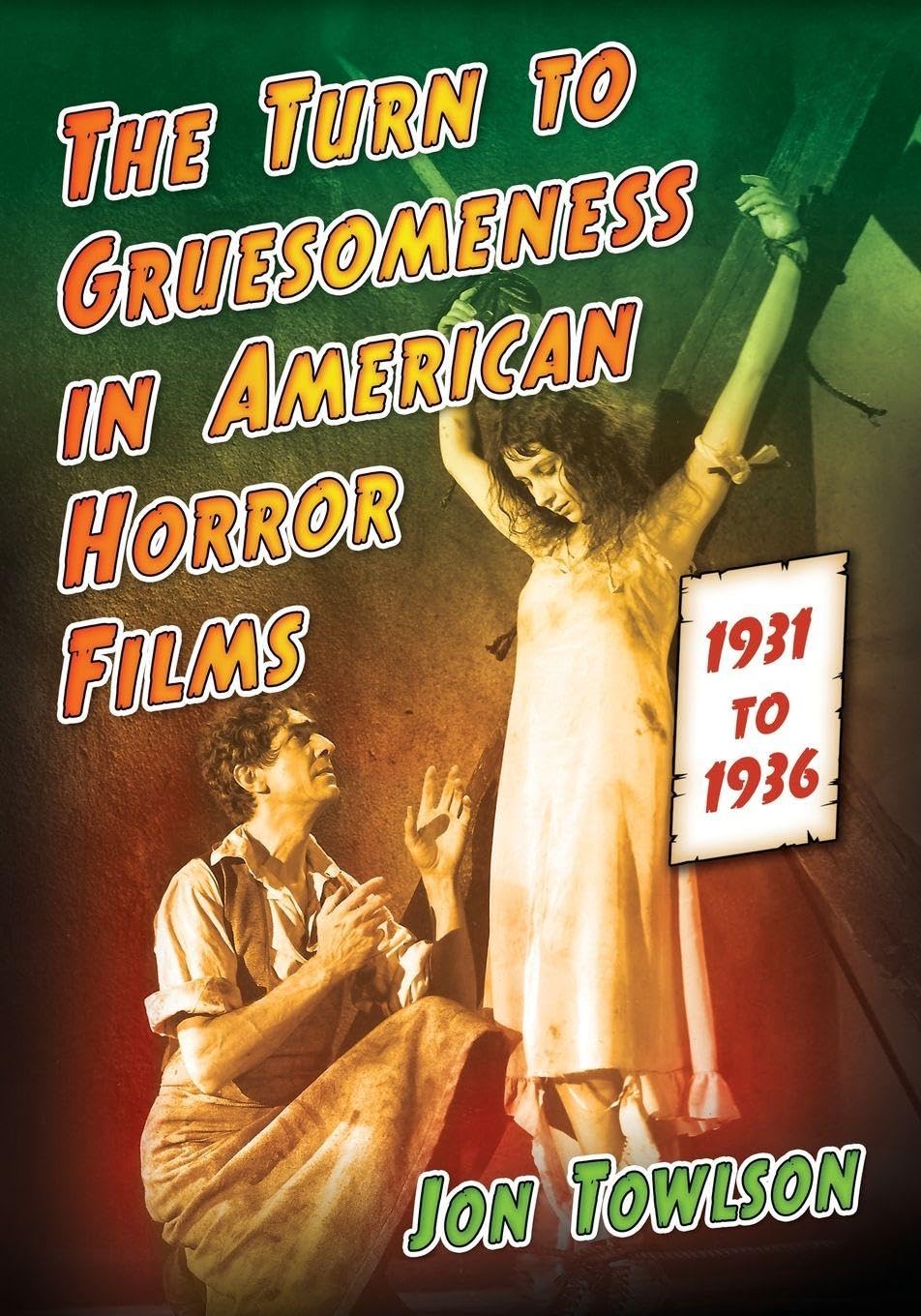



Is the thirties horror film more akin to graphic modern horror than is often thought? Critics have traditionally characterized classic horror by its use of shadow and suggestion. Yet the graphic nature of early 1930s films only came to light in the home video/DVD era. Along with gangster movies and "sex pictures," horror films drew audiences during the Great Depression with sensational screen content. Exploiting a loophole in the Hays Code, which made no provision for on-screen "gruesomeness," studios produced remarkably explicit films that were recut when the Code was more rigidly enforced from 1934. This led to a modern misperception that classic horror was intended to be safe and reassuring to audiences. Taking a fresh look at the genre from 1931 through 1936, this critical study examines "happy ending" horror in relation to industry practices and censorship. Early works like Murders in the Rue Morgue (1932) and The Raven (1935) may be more akin to The Texas Chain Saw Massacre (2003) and Saw (2004) than many critics believe. 'This may well be the book on 'classic horror' to beat this year"- Tim Lucas, VIDEO WATCHDOG Nominated for BOOK OF THE YEAR (2016) - RONDO HATTON CLASSIC HORROR AWARDS "One of the best Horror Film books of all time" - BookAuthority "Towlson's book is ridiculously informative, and yet still a well-paced, entertaining read...This is not only one of the best horror history books I've read this year, but stands as one of the best on the golden age ever written." - Gavin Schmitt, THE FRAMING BUSINESS. "The book details the many battles, and concessions made with censors, to get the films completed and into theaters... it's a rewarding read because it brings us to the table of the filmmakers, what they wanted to create, how far they wanted to go and were able to go." - Doug Gibson, PLAN 9 CRUNCH. "Towlson contends that the horror films of the 30s are actually an "embryonic form" of the revered American horror films of the 1970s.... and that they are much more subversive and much more gruesome than we remember. " - Joseph Maddrey, MOVIES MADE ME "How transgressive images and themes from the early 1930s set a tone for what was to follow decades later" - RONDO HATTON CLASSIC HORROR AWARDS (nominated for BOOK OF THE YEAR, 2016) "One of the best Horror Film books of all time" - BookAuthority "Too Dreadfully Gruesome": In Conversation with author Jon Towlson (Diabolique Magazine, March 2017). Can you tell me about the genesis of this project? I recall you wrote about the subversive nature of 1930s horror films in issue 17 of Paracinema. That's right. I wrote that piece about the endings of 30s horror pictures, mainly to argue against the idea that 30s horror is inherently conservative because the endings always restore the status quo. It struck me when I was watching these films that the endings of so many of them, from Frankenstein onwards, were tacked-on by the studio (often after disastrous previews) and just unconvincing. Often the happy endings were there to placate censors. So can thirties horror films be truly defined by this idea that they restore the status quo? As I began to research further, I started to think to myself, ok, if we need to redefine thirties horror - what is its primary characteristic if not its reassuring ending? And what came up again and again in the censorship notes, the marketing and the studio memos of these films was the word 'gruesomeness'. Even before films were being termed horror films, they were being called 'gruesome pictures'. And that was how the studios sold these movies in the pre-Code era, as gruesome pictures, like machine guns in gangster pictures or sex in sex pictures from the 30s. When the Production Code Administration started to tighten the Hays Code up in the mid-thirties, it was gruesomeness that they looked at in horror pictures, and eventually they took steps to eradicate it. 1940s horror films were less graphic, and relied more on ghostliness and psychology as a result. But gruesomeness makes the thirties films very edgy, and quite brutal. Horror cinema was a fledgling genre back in the 30s, indeed, as you say, they weren't even referred to as 'horror' pictures until later in that decade. Was it always obvious to you which films you needed to examine for this project? What was great was being able to go through all of the Hays Code files to see which films had been censored and why. And what I found was that more or less all of the films that we think of as iconic now, from Dracula (1931) to The Black Cat (1934) all had files on them, and were considered (and sometimes vetted) very carefully by the Hays Code officials in terms of their gruesomeness. And it was possible to trace a trajectory from 1931 to 1936 to see how films like Dracula's Daughter (1936) and The Devil Doll (1936) were affected by the clampdown on gruesomeness as the decade wore on. Then you get lesser known films like Murders in the Zoo