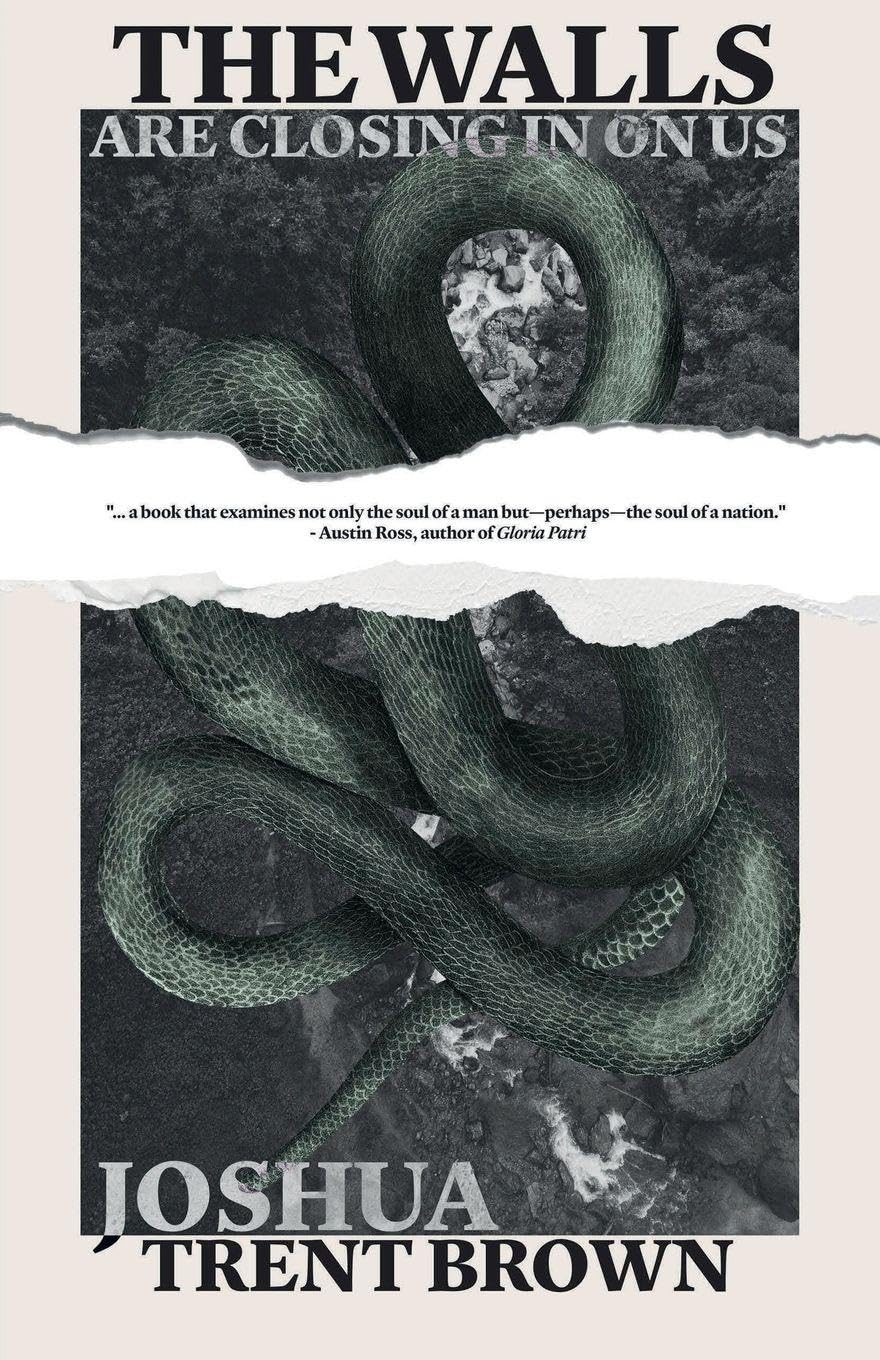



"I'm deader'n hell," he said out loud. He said it like a realization that you can't do much with other than live with the truth of it. Like a shrug. Circus performers. Mountain lions. A fight to the death. A half deer/half man. Love and death. A cabin in the woods. A fictional retelling of a mysterious ancestor. The Walls Are Closing In On Us is a Southern odyssey that follows George, a dying Choctaw and white man, reckoning with the ghosts of his past as he bleeds out beside a cold North Carolina river, hundreds of miles from home. His heart was a mess of scars, so thick he wondered how it kept pumping. Starting with his childhood in Mississippi, The Walls Are Closing In On Us travels across the southeast - by car, foot, and train - along with George on his search for love, anonymity and a quiet life. Only by reexamining a lifetime of flight, grief and the haunting consequences of a teenage act of survival, can George be allowed some version the solitude he's been searching for. Based ever so slightly on a true story, this Southern odyssey explores what it means to be anyone at all, and how even the simple act of reading someone's name is enough to bring them back to life - no matter if they wish to remain forgotten. Joshua Trent Brown delivers something special with his debut novel, The Walls Are Closing In On Us. Part Donna Tartt, part Thomas Wolfe, wrapped in a Stoner-esque search for purpose, the book wrestles with existence and legacy. Brown has read The Gospel Singer and Faulkner. He also seems familiar with the work of Rudolfo Anaya. Brown blends the magical, the Greek, and the biblical into a narrative that feels timeless, yet bold and fresh. George's story of survival and his journey across the Southeast in search of meaning and purpose takes the reader on a wild ride filled with love and loss, and a cast of characters so unique and grotesque that they will live on in the reader's imagination long after the book is finished. This remarkable novel grips you and makes you hope for another page waiting with every turn. Without doubt, the best book we've read this year. -Grit Quarterly