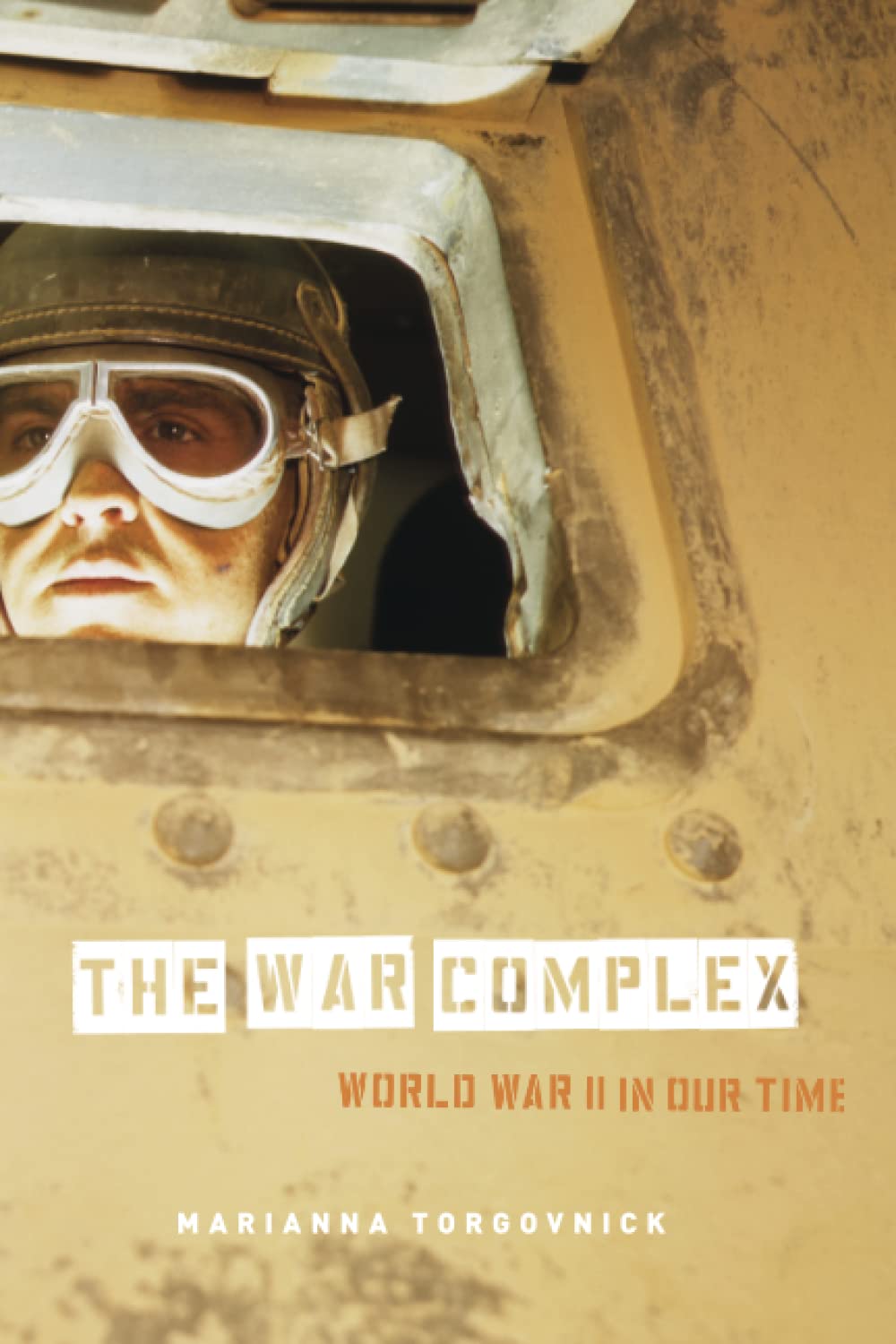



The recent dedication of the World War II memorial and the sixtieth-anniversary commemoration of D-Day remind us of the hold that World War II still has over America's sense of itself. But the selective process of memory has radically shaped our picture of the conflict. Why else, for instance, was a 1995 Smithsonian exhibition on Hiroshima that was to include photographs of the first atomic bomb victims, along with their testimonials, considered so controversial? And why do we so readily remember the civilian bombings of Britain but not those of Dresden, Hamburg, and Tokyo? Marianna Torgovnick argues that we have lived, since the end of World War II, under the power of a war complex—a set of repressed ideas and impulses that stems from our unresolved attitudes toward the technological acceleration of mass death. This complex has led to gaps and hesitations in public discourse about atrocities committed during the war itself. And it remains an enduring wartime consciousness, one most recently animated on September 11. Showing how different events from World War II became prominent in American cultural memory while others went forgotten or remain hidden in plain sight, The War Complex moves deftly from war films and historical works to television specials and popular magazines to define the image and influence of World War II in our time. Torgovnick also explores the 1961 trial of Adolf Eichmann, the emotional legacy of the Holocaust, and the treatment of World War II's missing history by writers such as W. G. Sebald to reveal the unease we feel at our dependence on those who hold the power of total war. Thinking anew, then, about how we account for war to each other and ourselves, Torgovnick ultimately, and movingly, shows how these anxieties and fears have prepared us to think about September 11 and our current war in Iraq. "A beautifully written meditation, at once wide ranging and intensely focused by the master thesis that at the heart of modernity lies the consciousness of war and the spectacle-horrifying and yet strangely narcotic-of mass death."--Stanley Fish "An audaciously wide-ranging cultural critique of how World War II has entered contemporary modern memory and consciousness. This is an important and illuminating book that will have a large and receptive audience."--James E. Young "Marianna Torgovnick is one of our most brilliant and probing cultural critics."--Joyce Carol Oates "Through personal rumination and inventive analysis, Torgovnick offers an inspiring model for a new way to write cultural history. Her lucid, companionable voice leads us through nightmare with exemplary generosity and intelligence."--Wayne Koestenbaum "Torgovnick has begun to do for the Second World War what for some years now thoughtful scholars and critics have done for the Civil War: to explore how our patriotism can survive if we acknowledge terrible truths. Her promising ethical solution transcends identity politics in a way that should open important further discussion."--Jonathan Arac CHOICE Outstanding Academic Title for 2006 The recent dedication of the World War II memorial and the sixtieth anniversary commemoration of D-Day remind us of the hold that World War II still has over America's sense of itself. But the selective process of memory has radically shaped our picture of the conflict. Why else, for instance, was a 1995 Smithsonian exhibition on Hiroshima that was to include photographs of the first atomic bomb victims, along with their testimonials, considered so controversial? And why do we so readily remember the civilian bombings of Britain but not those of Dresden, Hamburg, and Tokyo? Marianna Torgovnick argues that we have lived, since the end of World War II, under the power of a war complex&;a set of repressed ideas and impulses that stems from our unresolved attitudes toward the technological acceleration of mass death. This complex has led to gaps and hesitations in public discourse about atrocities committed during the war itself. And it remains an enduring wartime consciousness, one most recently animated on September 11, 2001. Showing how different events from World War II became prominent in American cultural memory while others go forgotten or remain hidden in plain sight, The War Complex moves deftly from war films and historical works to television specials and popular magazines to define the image and influence of World War II in our time. Torgovnick also explores the 1961 trial of Adolf Eichmann, the emotional legacy of the Holocaust, and the treatment of World War II's missing history by writers such as W. G. Sebald to reveal the unease we feel at our dependence on those who hold the power of total war. Thinking anew, then, about how we account for war to each other and ourselves, Torgovnick ultimately, and movingly, shows how these anxieties and fears have prepared us to think about 9/11 and our current war in Iraq. The recent dedication of the World War II memorial