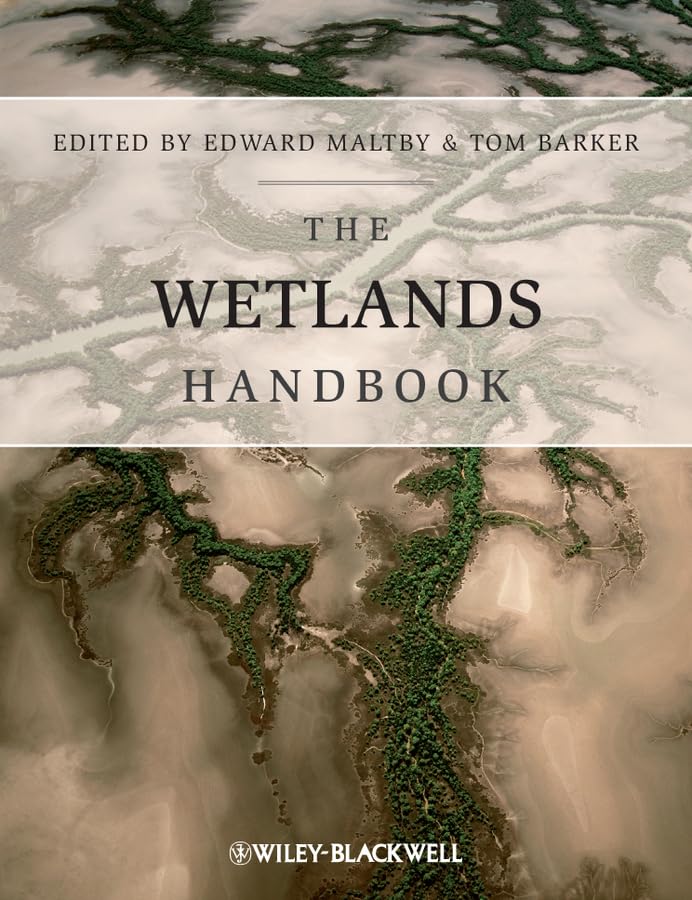



Forty-two chapters by international experts from a wide range of disciplines make The Wetlands Handbook the essential tool for those seeking comprehensive understanding of the subject. A departure from more traditional treatises, this text examines freshwater wetland ecosystem science from the fundamentals to issues of management and policy. Introductory chapters address the scope and significance of wetlands globally for communities, culture and biodiversity. Subsequent sections deal with processes underpinning wetland functioning, how wetlands work, their uses and values for humans and nature, their sensitivity to external impacts, and how they may be restored. The text is illustrated by numerous examples, emphasising functional and holistic approaches to wetland management, including case studies on the wise use and rehabilitation of wetlands in farmed, urban, industrial and other damaged environments, highlighting the long-term benefits of multiple use. The Wetlands Handbook will provide an invaluable reference for researchers, managers, policy-makers and students of wetland sciences. "A colossal achievement ... .It's impossible to do justice to such a work in a few sentences. There are 7 sections, 43 chapters, 72 contributors in all and an index that expands to 51 pages. Hardly a topic this reviewer looked for is not present ... .This book is a must." ( Journal of the World Association of Soil and Water Conservation , April 2010) Forty-two chapters by international experts from a wide range of disciplines make The Wetlands Handbook the essential tool for those seeking comprehensive understanding of the subject. A departure from more traditional treatises, this text examines freshwater wetland ecosystem science from the fundamentals to issues of management and policy. Introductory chapters address the scope and significance of wetlands globally for communities, culture and biodiversity. Subsequent sections deal with processes underpinning wetland functioning, how wetlands work, their uses and values for humans and nature, their sensitivity to external impacts, and how they may be restored. The text is illustrated by numerous examples, emphasising functional and holistic approaches to wetland management, including case studies on the wise use and rehabilitation of wetlands in farmed, urban, industrial and other damaged environments, highlighting the long-term benefits of multiple use. The Wetlands Handbook will provide an invaluable reference for researchers, managers, policy-makers and students of wetland sciences. Forty-two chapters by international experts from a wide range of disciplines make The Wetlands Handbook the essential tool for those seeking comprehensive understanding of the subject. A departure from more traditional treatises, this text examines freshwater wetland ecosystem science from the fundamentals to issues of management and policy. Introductory chapters address the scope and significance of wetlands globally for communities, culture and biodiversity. Subsequent sections deal with processes underpinning wetland functioning, how wetlands work, their uses and values for humans and nature, their sensitivity to external impacts, and how they may be restored. The text is illustrated by numerous examples, emphasising functional and holistic approaches to wetland management, including case studies on the wise use and rehabilitation of wetlands in farmed, urban, industrial and other damaged environments, highlighting the long-term benefits of multiple use. The Wetlands Handbook will provide an invaluable reference for researchers, managers, policy-makers and students of wetland sciences. Edward Maltby is Professor of Wetland Science, Water and Ecosystem Management and Director of the Institute for Sustainable Water, Integrated Management and Ecosystem Research (SWIMMER) at the University of Liverpool, UK. Tom Barker is an ecologist at SWIMMER specialising in catchment relationships with ecosystems, including carbon sequestration and physico-chemical dynamics, particularly in lakes and wetlands. Used Book in Good Condition